


Related Features
DAY IN THE LIFE OF DANCE: A Peek into the Final Preparations for the Performance Mix Festival
THE DANCE ENTHUSIAST ASKS: Inside Imani Gaudin’s Creative Universe and Her Latest Work “new york, please”
THE DANCE ENTHUSIAST ASKS: Experimental Artist Ursula Eagly on the Performance Mix Festival's 40th Anniversary

By Theo Boguszewski
View Profile |
More From This Author
Published on May 29, 2026
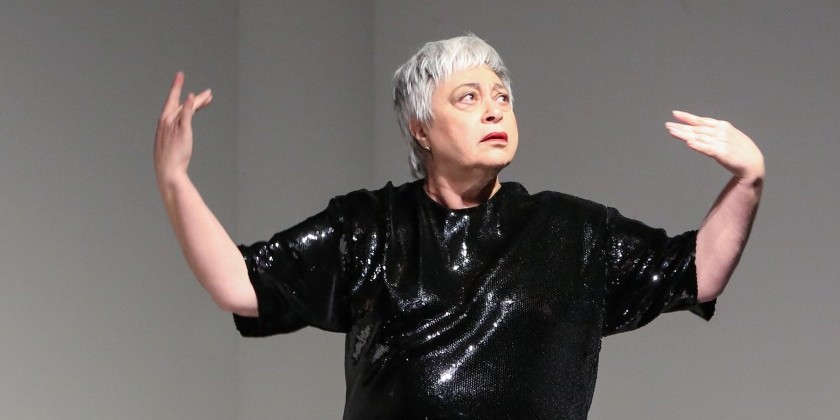
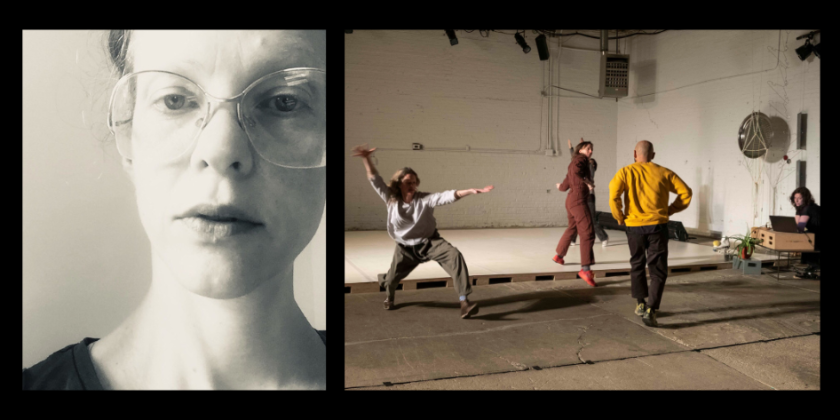
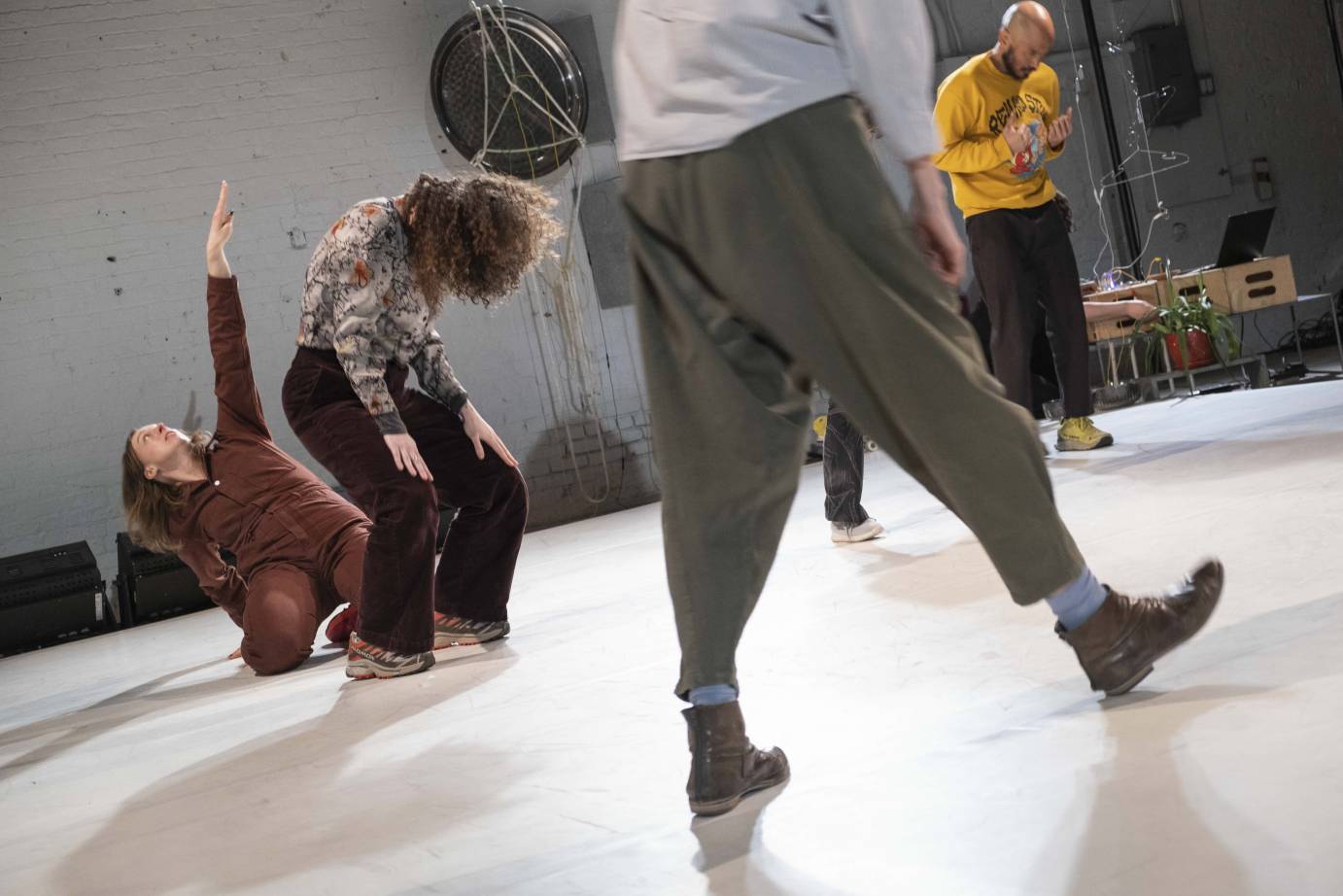
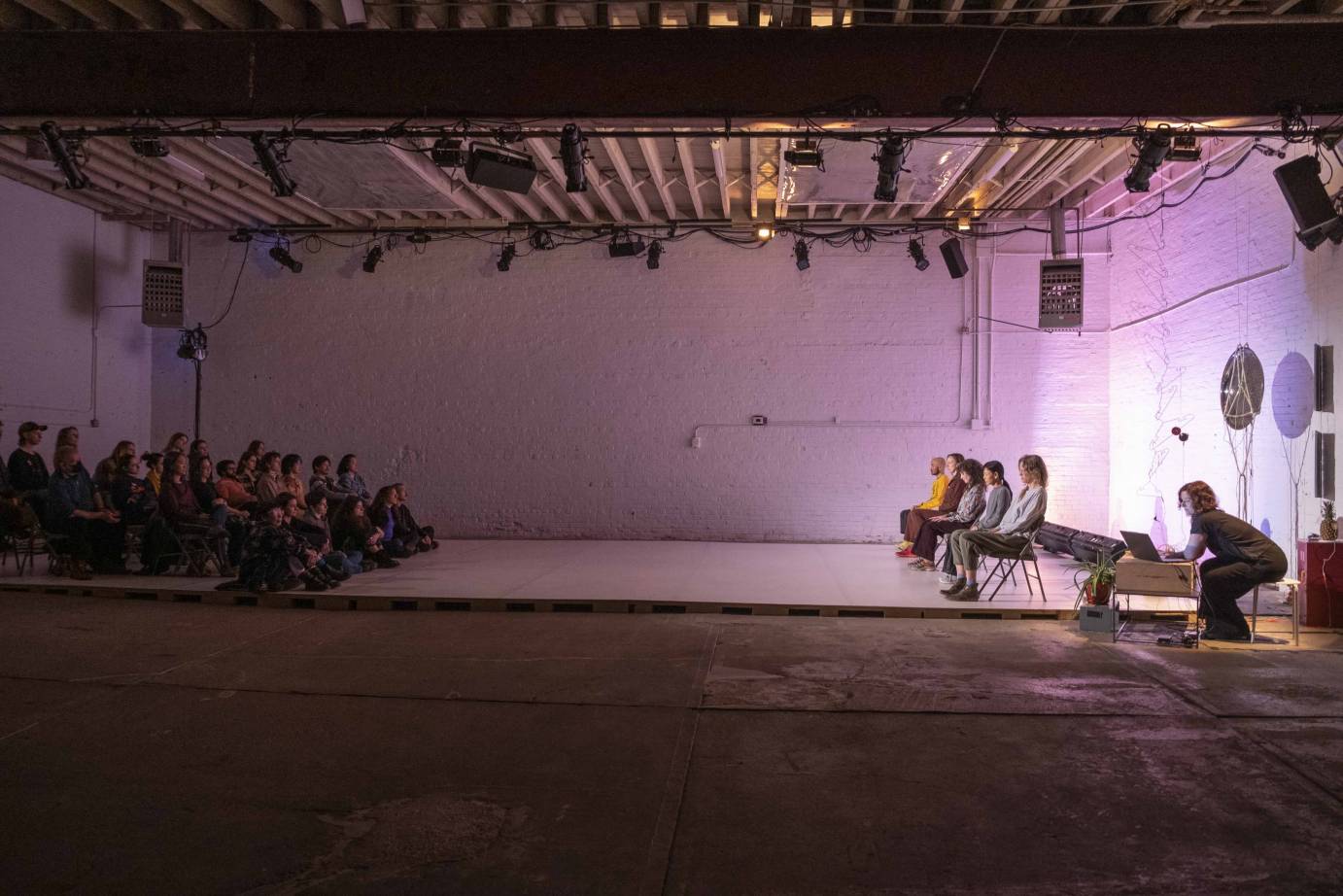
Ursula Eagly and dancers. Photo courtesy of the artist
Catch the Festival this Thursday, June 4 - 7, 2026
Choreographer and performer Ursula Eagly returns to NYC and to the Performance Mix Festival this year with Collective Imagination, a new work shaped by dream logic, group action, and the porous edges of perception.
In conversation with The Dance Enthusiast’s Theo Boguszewski ahead of the festival’s 40th anniversary edition, Eagly reflects on her long history with New York’s experimental dance community, the unwavering spirit of New Dance Alliance, and how her recent life far away from NYC has deepened her appreciation for the artistic lineage that continues to define Performance Mix. Drawing connections between dream work and collective creativity, Eagly offers insight into a choreographic practice rooted in curiosity and intuition.
Performance Mix Festival #40
Thursday, June 4 - 7, 2026
Abrons Arts Center, Underground Theater, 466 Grand Street, New York, NY
For tickets, CLICK HERE
Theo Boguszewski for The Dance Enthusiast: Have you participated in Performance Mix previously, either as an artist or audience member?
Ursula Eagly: Years ago, Karen (Bernard) did an exchange with Balkan artists. There were three artists from the former Yugoslavia and a Macedonian artist named Iskra Dimitrova. Iskra created a solo for me, and we presented it at Performance Mix.
You’re presenting Collective Imagination as part of the 40th Annual Performance Mix Festival. What drew you to this year’s festival, and what does it mean to be included in this milestone edition?
A lot of things. I'm actually not living in New York City at the moment. I'm in Victoria, in Canada, and I've been there for about a year and a half. I lived in New York City full time for 25 years; it’s the longest I've ever lived anywhere. And this is the first time as an adult that I'm living anywhere else for an extended period of time. And it's really sharpened what I love about the New York City dance community.
Performance Mix Festival is all shared programs — three artists on a program. So it’s a way to be embedded in conversation with other artists; not only in my individual artistic process, which is with a group of five performers, but also in the context of the festival. It's very community-oriented, and this was something that I was deeply craving — to be among artists with whom I have a shared lineage and shared aesthetic perspectives. Being outside of it for an extended period, I really value how quickly I can get into conversations with artists from my same community because of the background that we share.
And the milestone of 40 years — New Dance Alliance and Performance Mix Festival still feel very true to their roots. As an artist-founded organization — and the founder is still there — it still operates like a residency program.
I'm going to have some rehearsal time, preparing this piece that I'm presenting at the festival. The rehearsals for New Dance Alliance are held in the studio that's in Karen's home. And when you walk through Tribeca as it is today, and then you walk up the stairs to go to her studio, you really travel back in time to see it as it was 40 years ago, when artists lived in in Tribeca; this giant dance studio with her husband's paintings on the wall. So you really feel this vivid presence of a New York City that still exists but is just a little more marginal.
I moved to New York City in 2000 and I did go to New Dance Alliance a lot. Barbara Mahler and Susan Klein had their studios nearby and all these dance artists went there to take Klein technique. NYC has changed so much, but New Dance Alliance is still that original flame for me. Karen's organization is really part of a New York performance history that I value so much.
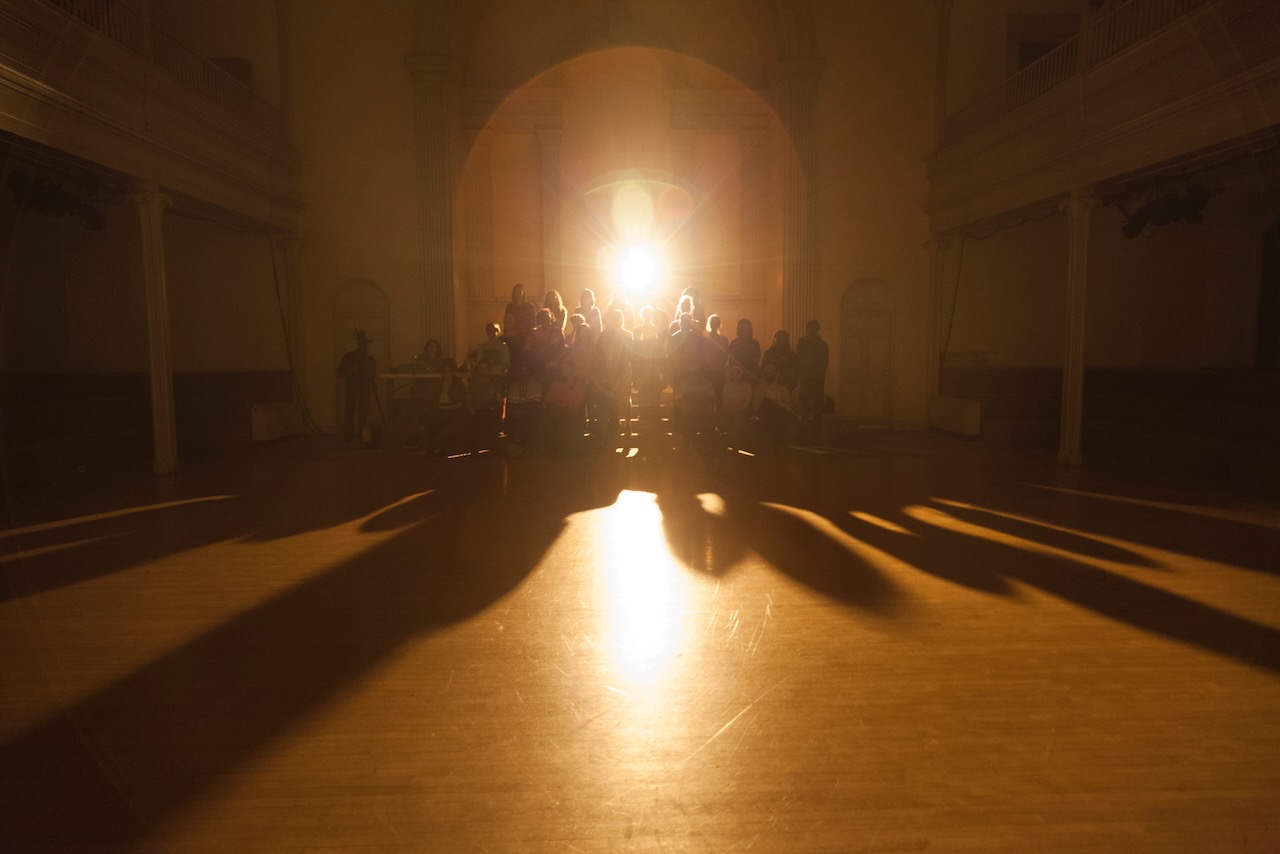
The festival description notes that Collective Imagination emerges from your long-term work with “group action” and “dreamwork as choreographic material.” How did those ideas first begin to shape your artistic practice?
For quite some time I've been very interested in bringing into the dance studio physical experiences that we have in our body that are not ones that are typically choreographically shaped for performance. So more like gross motor movement. For example, I made this piece called Our Epithelium and I was really interested in the reciprocity that's in our nervous system. Like yawning, for example. When you yawn, there is this yawning contagion, like a social instinct. Another example is mirroring body language in conversation. These behaviors that are reciprocal ended up being a big group work because they’re group behaviors.
I also worked with experiences that are towards the edge of our sensory perception. Like experiences of synesthesia, for example, where you hear a sound, but there's a sensation. For many years I've been working with these experiences that are beyond gross motor movement.
And this last piece was the first time I worked with dreamwork. I also worked with a performer who led these drumming journeys where you play the drums and you have a visual dream experience that you can enter. I was interested in the way these experiences made me feel that I could witness my creativity a bit passively, as you do when you're dreaming. So instead of going into the studio and making something, I feel a natural spring of creativity that I can just observe. So I wanted to be able to bring this into a performance context.
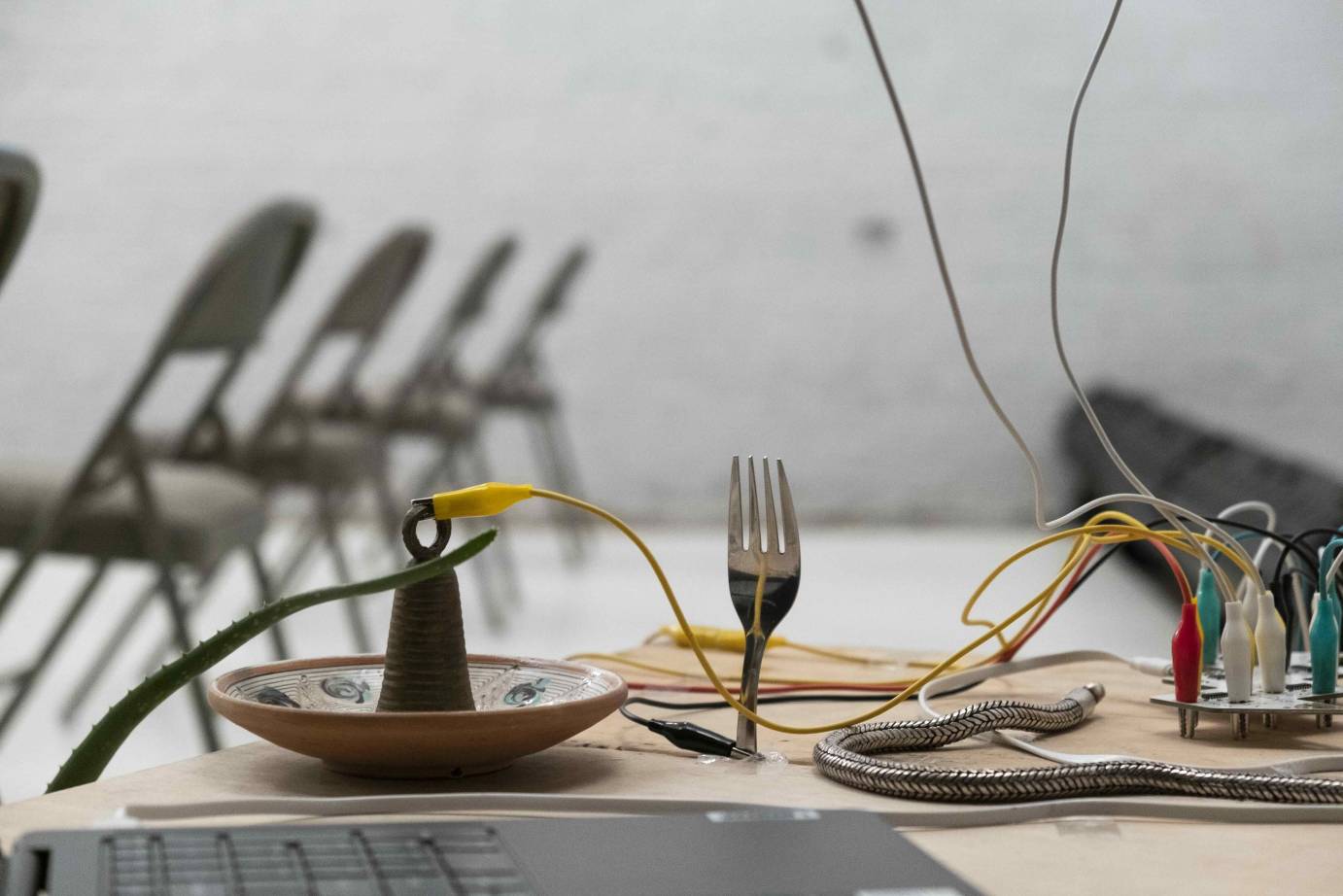
And then how to make it vivid, bring it into a shared experience in a theater setting? These things have all been knocking around for a while. And this idea of a group dream experience has evolved out of this last piece where I use dreamwork. I've been doing dreamwork and reading books related to dreams. And I am interested in the collective aspect of it; the idea of collective unconscious, the way in which your unconscious creation is shared or can be perceived to be shared. Which is what brought me around to this idea of reciprocity.
What does collaboration look like for you in the rehearsal room? Are you building movement collaboratively with performers, or are you guiding them through a more structured framework?
Well actually, for this piece, I'm doing something that I have never done before. And I'm really excited. In past years I've had a bit more of a process where I tended to start with questions and get into the studio and then really go into unknown territory together with performer collaborators. But for this piece, Collective Imagination, it's actually the first time that I'm coming to a process with a really strict format. It's like a pretty clear score that I'm starting with — almost like a Haiku.
And then within that structure, this dream work is very unstructured and sort of wild, but I'm pouring it into a format that has a clear structure. I've been working on this for a while, but I'm going to be meeting five collaborators in New York and we're going to have three rehearsals together, plus tech. So with that framework, I knew I had to come with something very clear. This is the first time I've met my collaborators with a clear structure like this, from day one in rehearsal.
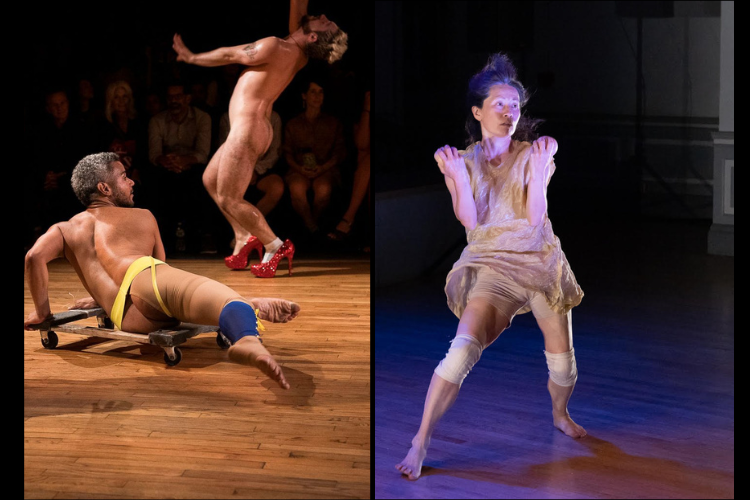
Looking back at the history of Performance Mix, which has championed experimental artists for four decades, how do you see your work fitting into that larger lineage?
When I look at the schedule for the Performance Mix festival, it’s so many artists that I've been, working alongside for decades, like Antonio Ramos and Nami Yamamoto. I feel that it's a community that I'm a part of; it’s an extension of this New York City community that exists also outside of the festival format. The festival is just bringing everything together and crystallizing it for a moment.
The Performance Mix festival has long been associated with experimentation and artistic risk taking. How does a festival environment like this support the work that you want to make?
For me, this is about community and being in conversation with people. For an evening length commission, I'm in control of everything. But in this festival environment, it's more of a challenge to fit yourself into the time constraints. And there are these confines and guidelines. But in exchange, you get to be in conversation with all these artists and that's so wonderful. I really value it, especially right now in my life.
What's inspiring you outside of dance right now?
The natural world. In Victoria, it feels like nature is just bursting. We have a bird nesting inside an interior wall. There's a lot of nature in my life. I've been exploring being in a new place.
Also, I'm bringing dream work into the studio, but it's a part of my life outside the studio, just remembering my dreams, reflecting on them. I’m in a dream group that's led by two therapists who are really interested in Jung and other thinkers who've worked with dreams. And that's been really rewarding.
I’ve also been exploring different movement modalities with different types of movement thinkers. I've been working with someone who teaches qigong and acupuncture, but also has a Feldenkrais background. The intersection of ideas is really fruitful for me. I volunteer in a hospice as well. I recently finished the training for hospice volunteering and it feels very related to dream work and the edge of perception. I've been reading a lot of books related to mortality and death.
What do you hope that audiences take away after witnessing your piece?
I hope that they'll have an awareness of their own imaginative capacity; that there's a lightness around it and that they feel in tune with the innate creativity that is a part of every one's nature. I hope it will show a way to tap into this creativity and sense of imagination in their own life. I feel that there's a lot of possibility there for each of us.