

AUDIENCE REVIEW: Harmonic Dissonance
Company:
Dances We Dance
Performance Date:
November 20-23, 2025
Freeform Review:
“You were once wild here. Don’t let them tame you,” these were the words of American Modern pioneering artist Isadora Duncan in the 1920’s during a performance in Boston. During this era, her revolutionary movement stood firm against the constraints of ballet and social norms in order to proclaim liberated forms of the body in movement and in life.
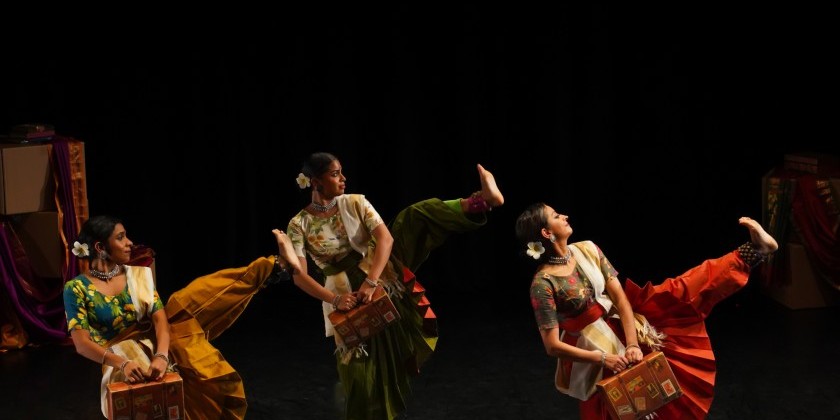
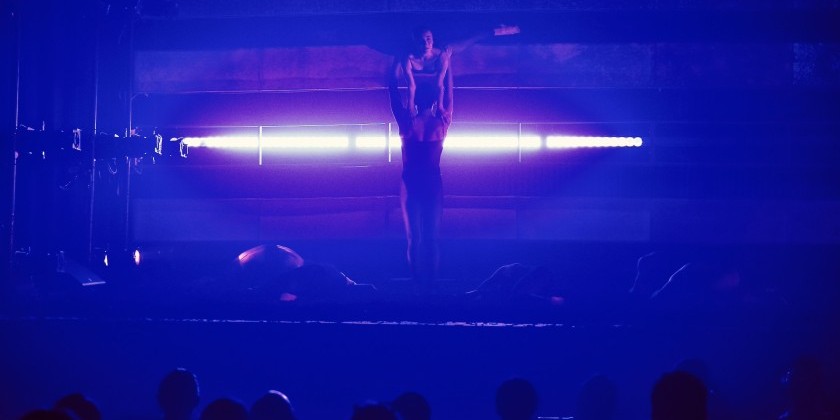
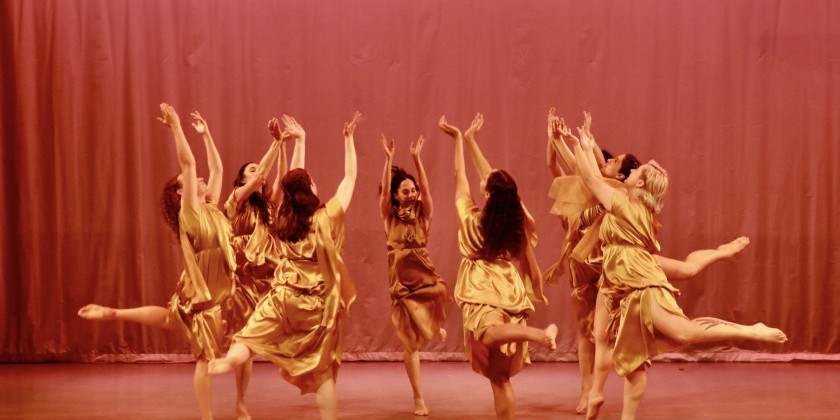
Harmonic Dissonance was the fall seasonal production during November 2025 by the company Dances We Dance by Francesca Todesco in the Martha Graham studio theater at 55 Bethune Street 11th floor; a studio that had its final performances where legacy once stood as a beacon for different generations of modern dance. A production carried by a fortitude of women, gathered one last time to honor the essence and the legacy that once rebelled against the political and the social norms of dance. The production was set up in two acts with mostly highlighting the revolutionary free and kindred work of Isadora Duncan. Other choreographers included Doris Humphrey, Claudia Gitelman, and Rosie Gentle. However, it was the work of Francesca Todesco that weaved through the work of these pioneers bringing different generations of artists together.
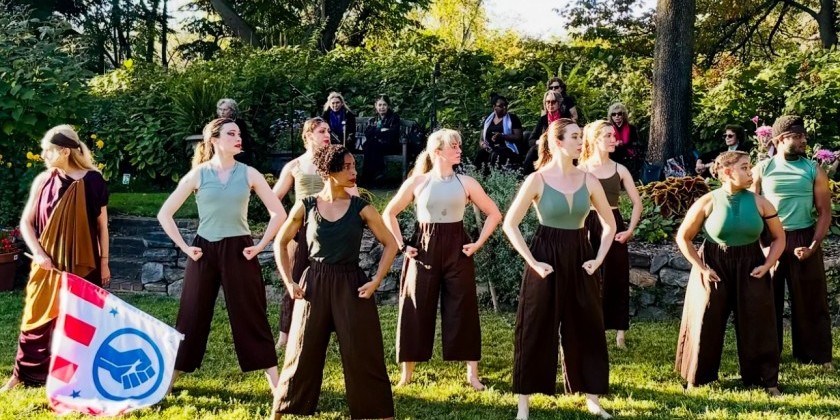
The first act opened with repertory works of Doris Humphrey and Isadora Duncan. Air for the G String by Doris Humphrey was performed eloquently by both, Director of the Humphrey/Weidman Foundation Gail Corbin and Lauren Naslund associate artistic director of the Sokolow Theater Dance Ensemble. This work set the tone for the night with the promise of support to lead younger generations across time. Followed was Duncan’s larger work SCHUBERT SYMPHONY #9 ‘The Great,’ with two separate movements: Andante Con Moto’ and Scherzo. If dance artists are unfamiliar with the Duncan work, it is in this large scale piece where one can learn the true meaning and the edifications to uplift the essence of individuality away from the norms of classical ballet. One dancer in particular, Faith Kimberling, was a leading figure through the ritualistic repetitive pathways for the younger ensemble movers; All ensemble in conjunction expressed the liberated gestures of the bare wrists, feet, and solar plexus that Isadora Duncan dared to challenge during her time. The first act concluded with a vibrant decrescendo with a promise of preservation for the impulses that lead our solar plexus in the natural world.
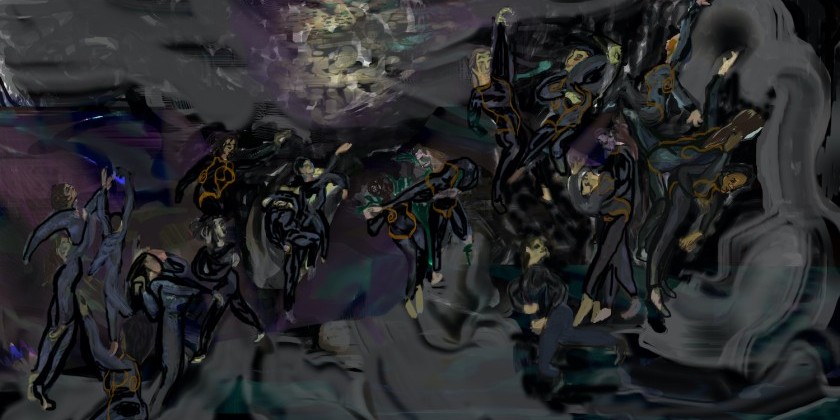
The second act, mostly interpreted through Schubert’s serene music, stood as a lasting revelation of how far these legacies have endured through the industry. It is in this act where the work of Francesca becomes a reflection and a reaction of what it means to be a mentor and a mentee. Additionally, the work of Claudia Gitelman performed by the Sokolow Theater Dance Ensemble, examines that trajectory where legacy can be at times forgotten but cherished through the relics from those that paved the way. Three mature master solo works depicting different times of the life of Isadora Duncan were isolated through the night; But it is the genuine and bold delivery of Francesca Todesco, Rae Ballard, and Catherine Gallant that these modern and postmodern legacies are in great hands. Furtherly, Francesca’s final work establishes an idea as a tribute to her modern pioneers that our growth never truly reaches a point of completion and it continuously polishes through innovation or adversity.
Witnessing these legacies and their trajectories through this current political social climate, it is important to continue questioning methods to liberate the diversity of artists from codified traditions.
Author:
Edu Tair Hernández
Website:
https://edutairdcd.squarespace.com
Photo Credit:
Julie Lemberger