


Related Features
DAY IN THE LIFE OF DANCE: In Motion with Jodi Melnick
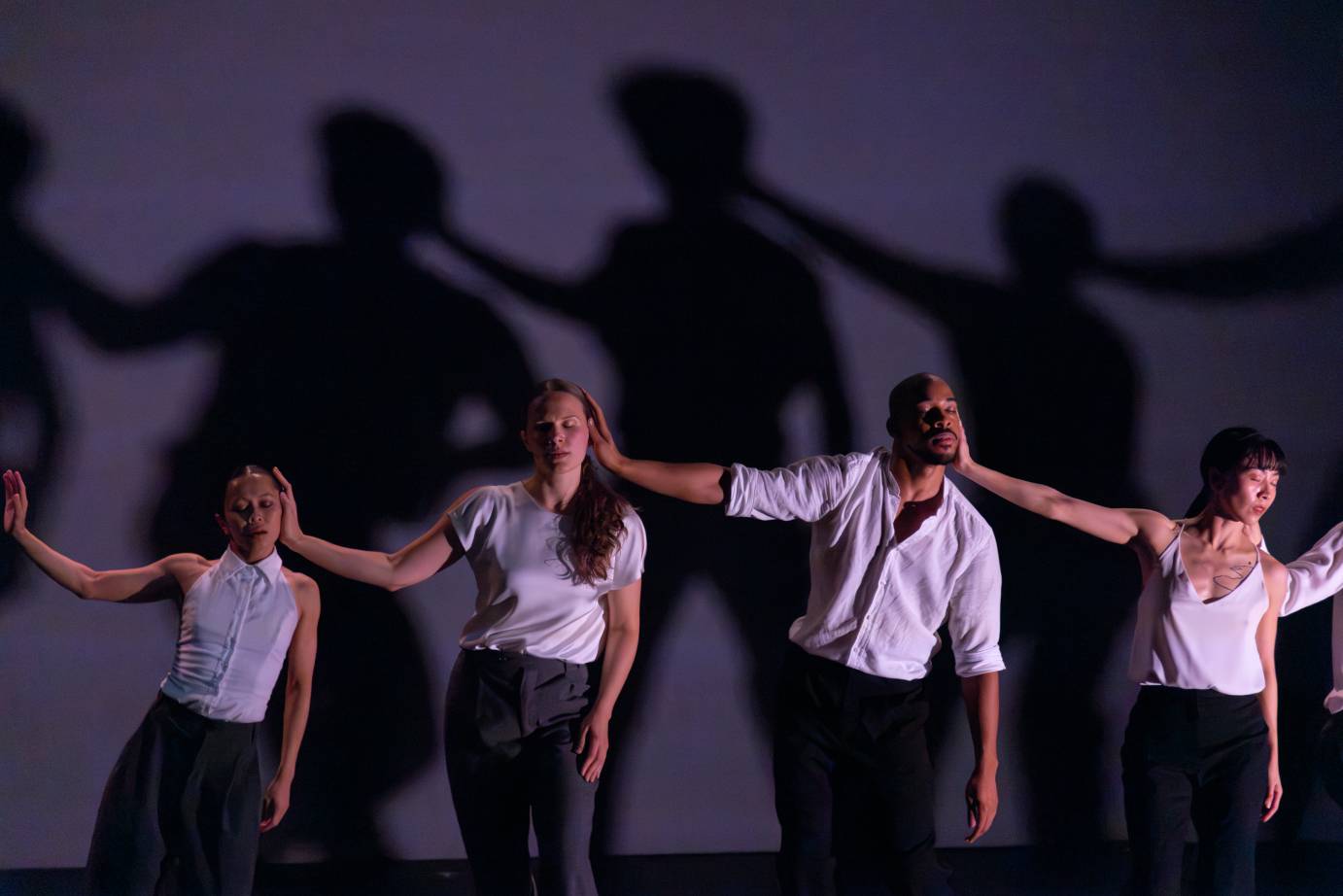
IMPRESSIONS: "What Flows Between Us," Curated by Rachna Nivas, at 92NY
IMPRESSIONS: Hélène Simoneau Danse in "Late Bloomer" at 92NY

By Catherine Tharin
View Profile |
More From This Author
Published on December 12, 2025
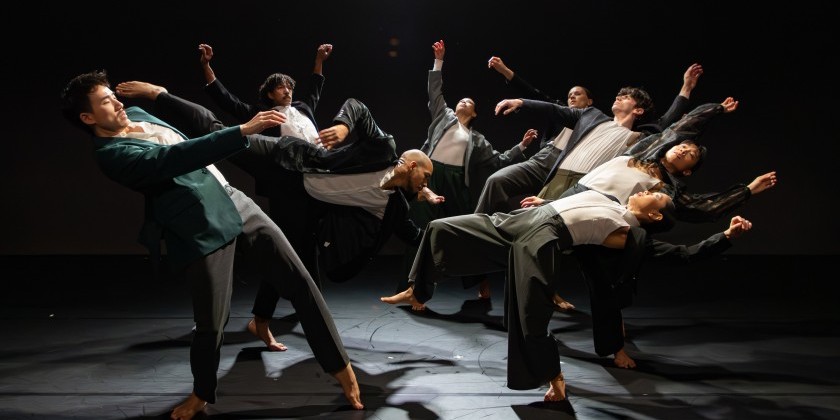
Hélène Simoneau Danse in "Late Bloomer." Photo: Whitney Browne
The 92nd Street Y, New York Presents Women Move the World
Harkness Mainstage Series 2025/26 season
Hélène Simoneau Danse's Late Bloomer
Concept and Direction: Hélène Simoneau
Choreography: Hélène Simoneau in collaboration with the performers
Original Music: Angélica Negrón
Additional Music: Bruno Billaudeau, David Lang and Julia Wolfe
Dramaturgy: Melanie George and Cara Hagan
Costume Design: Quinn Czejkowski
Performers: Liane Aung, Juan Duarte, Quaba Venza Ernest, Peter Mazurowski, Frances Lorraine Samson, Thryn Saxon, Jie-Hung Connie Shiau, and Miles Yeung-Tieu
Buttenwieser Hall at The Arnhold Center
November 14 - 15, 2025
Canadian-born Hélène Simoneau’s premiere, Late Bloomer at 92NY, exists in a state of almost constant motion, a continuum of sleek, superbly performed dancing. The movement, highly physical, features running on diagonals, sudden lifts, and tightly constructed groupings delivered with unwavering clarity by the company's eight dancers. Torsos torque and fold, limbs slice and spiral, arabesques lengthen into deep lunges that push the body far beyond its kinesphere.
Moments of stillness carry the same urgency. The work moves through a torrent of vignettes lasting one to five minutes. These shifts between various groupings and full-company passages grapple with forms of control, dominance, and conflict. Dancers assume the role of watchers, casting a subtle, unsettling attention on those watched.
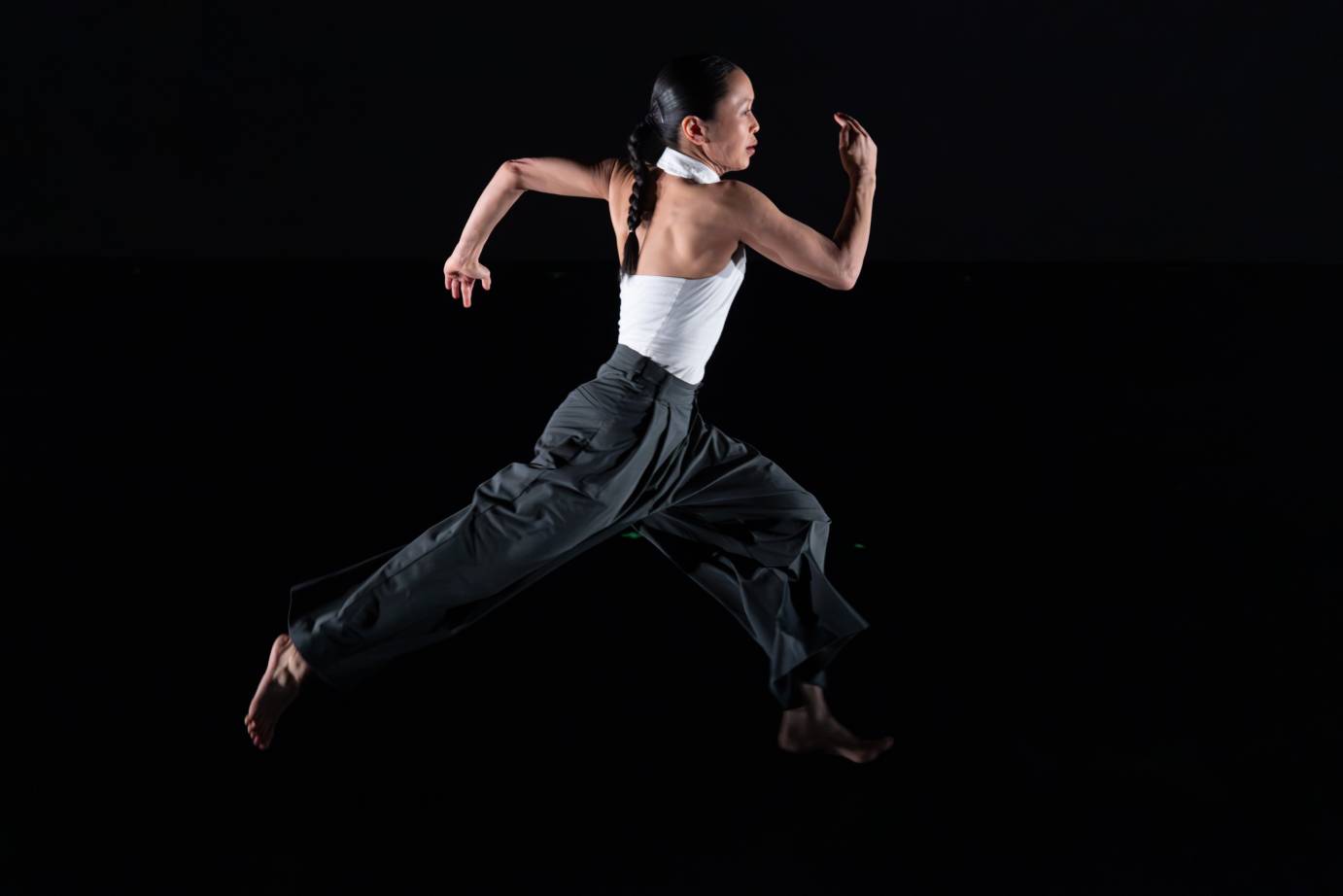
An opening duet between Thryn Saxon and Jie-Hung Connie Shiau, (followed by Frances Lorraine Samson's purposeful perimeter sprint), renders physical power as both intimate and adversarial, their bodies pulled into and hurled out of orbit.
A later duet between standouts Juan Duarte and Peter Mazurowski carries a similar charge: strength and shared force offset by the tenderness of hands actively encircling the other’s neck. Both duets point to Simoneau’s ongoing question of how closeness can disquiet yet briefly align. Liane Aung's steady presence casts a needed restfulness throughout.
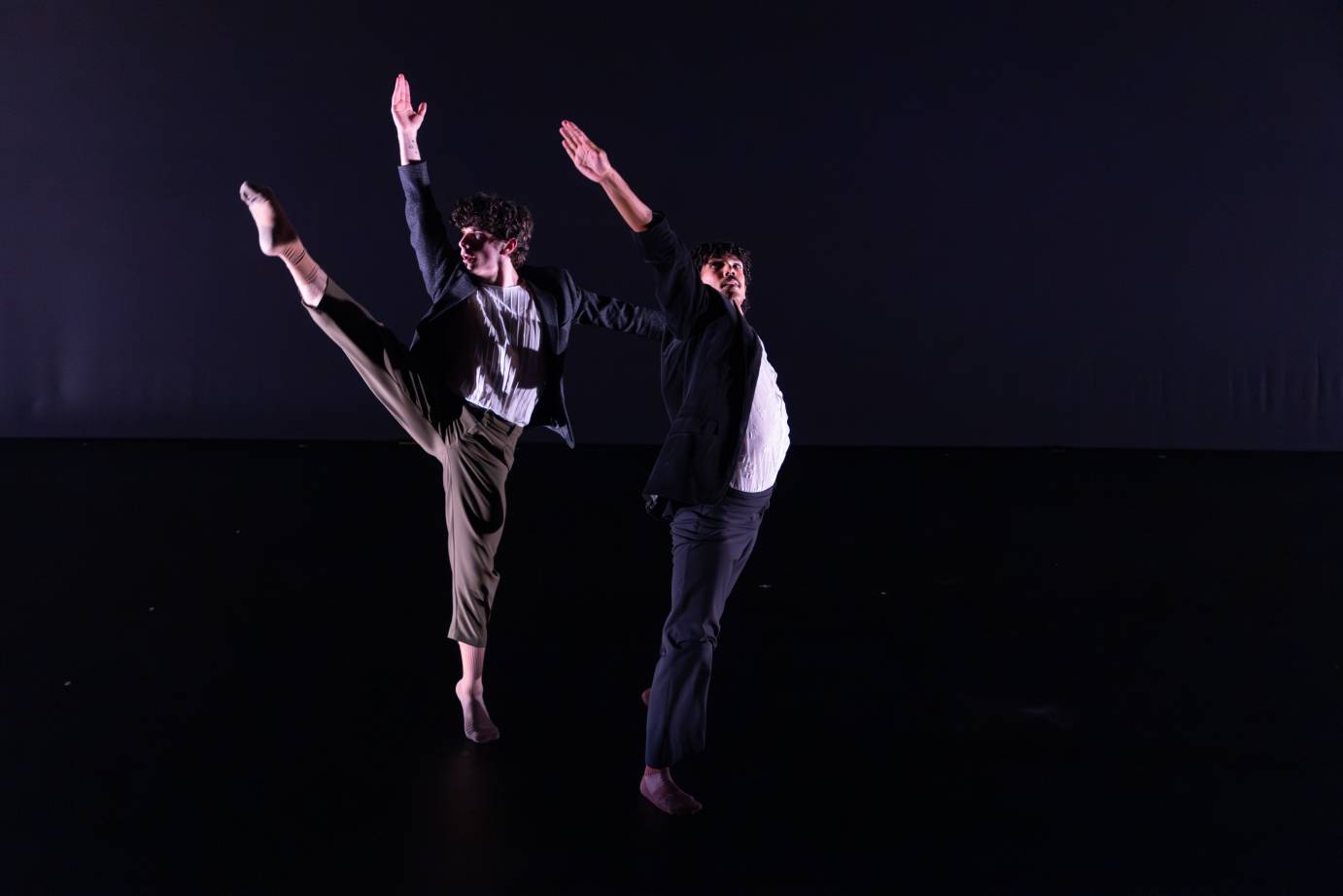
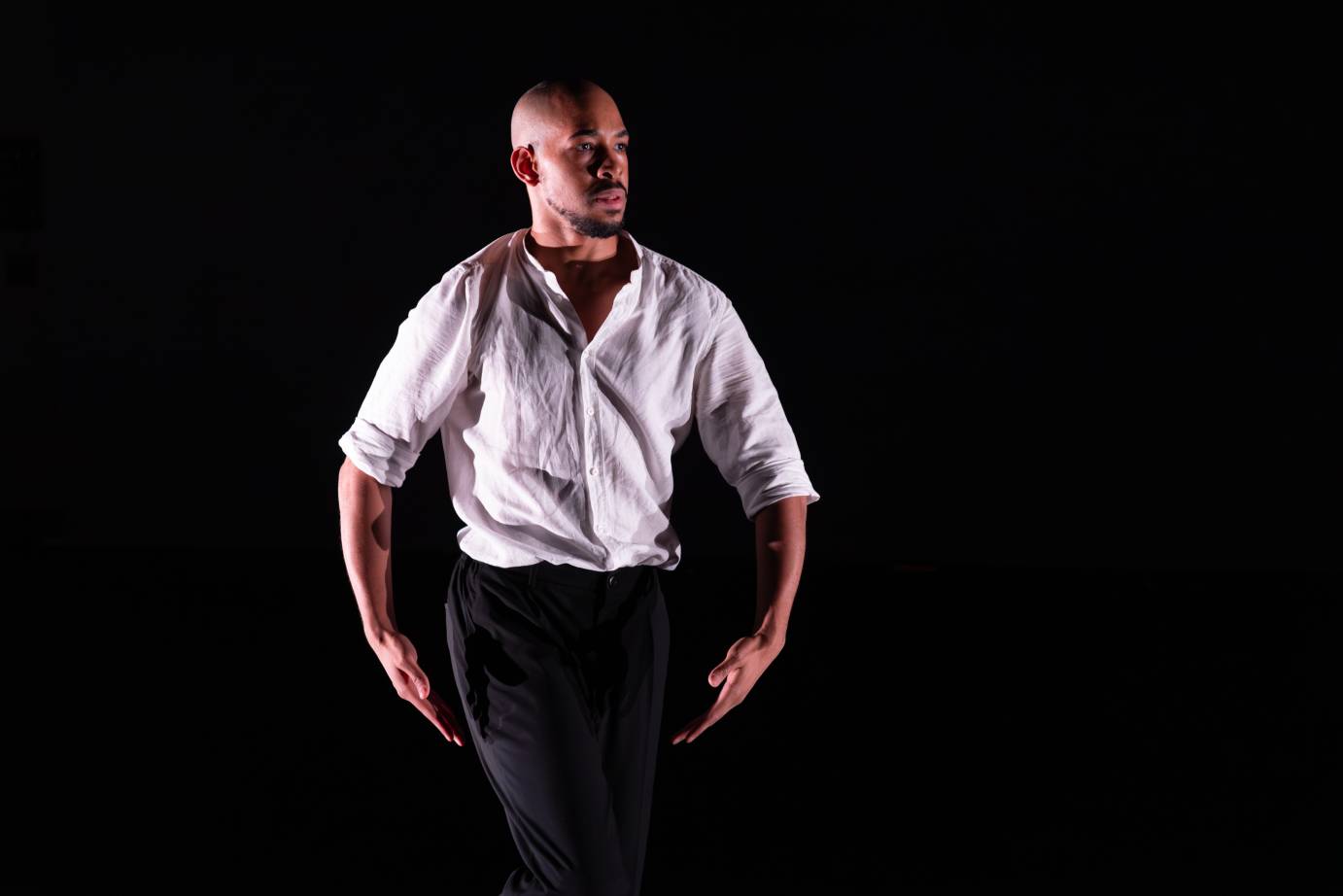
Costuming in pedestrian shirts, dark pants and blazers suggests an “every person” anonymity through which individuality surfaces only fleetingly. A line of dancers trudges in silhouette as though performing a shared, inexorable labor. When solos burst out, the soloist is sucked back into the group, as if to say that individuality will be punished, that autonomy carries consequence.
Another sequence adopts an elimination-game logic, dancers stamping beside a chosen figure until a chest blooms open and the body melts. One arresting scene portrays a single dancer, Shiau, as she slowly backs through a corridor of light, hands stabbing the air before she brushes twitching fingers — a fleeting connection.
Each dancer performs a standalone solo, quiet inward passages of reverie that read as brief glimpses of what a dancer might wish for if allowed.
.jpg)
The sound score, largely pulsing, propulsive, and insistent, intensifies the forward momentum, though at times dulls the listener’s senses. Occasionally it verges on the ominous, a dramatic cue familiar from film scores that suggests an emotion before it naturally arises. A Satie-like piano interlude provides one of the few reprieves by softening the atmosphere.
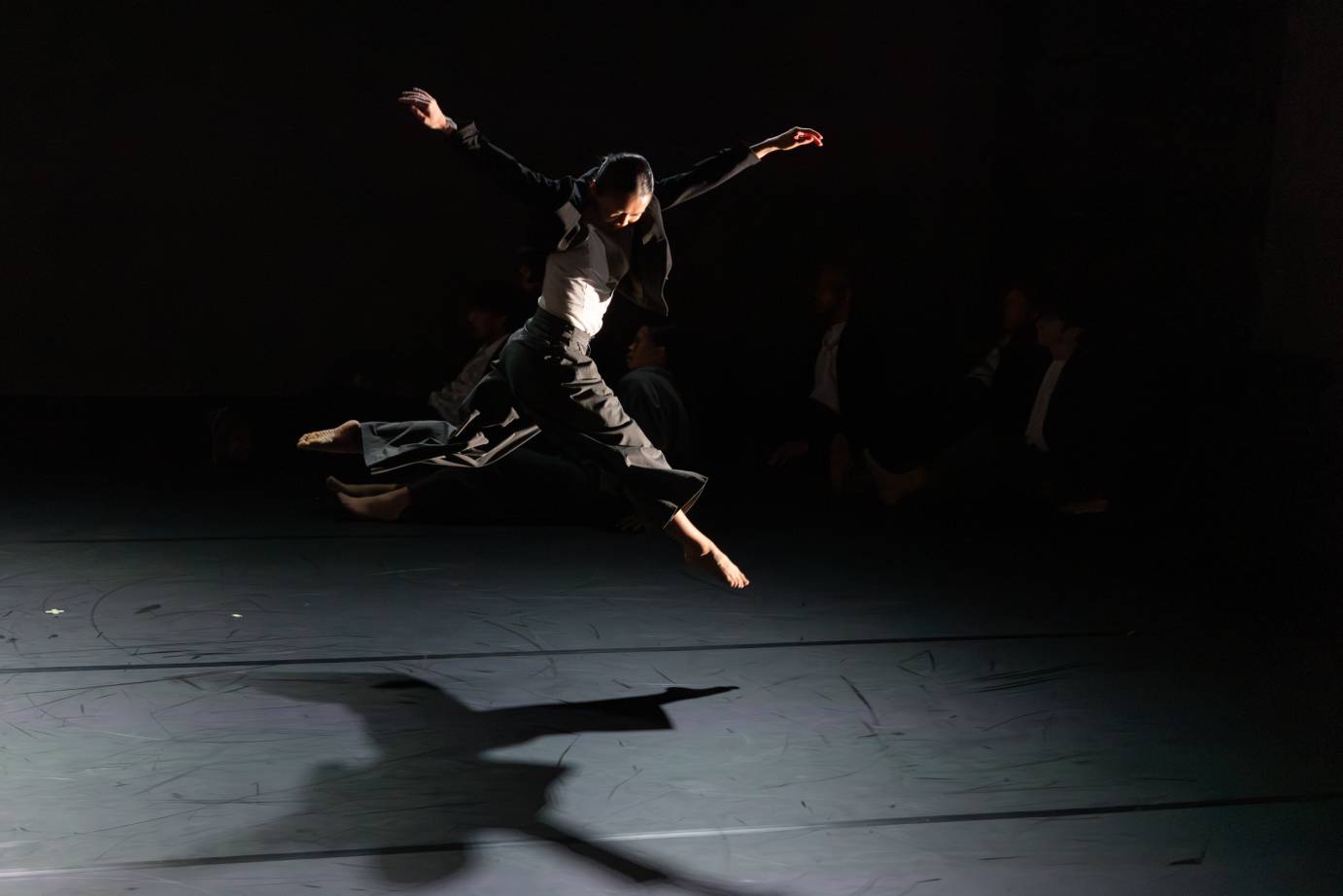
The sheer number of short scenes does not accumulate so much as level. Repetition of similar ideas, delivered with comparable tone and intensity, dilutes their force. Memorable passages appear throughout, but the overall impression is one of car wheels spinning rather than development. Many of the scenarios are striking, yet the dance would have gained power had Simoneau trusted fewer, stronger sections instead of extending the structure to fill an hour.
Simoneau’s intention is legible. The political terrain of ICE, surveillance, and authoritarian pressure is recognizable, as is the personal terrain of belonging and surviving. The title, Late Bloomer, refers to the uneven pace at which people come into themselves, and over time, learn to endure.
Late Bloomer concludes with the ensemble linked in a line across the stage, eyes closed, inching left as knees buckle unpredictably. A potent metaphor, this corridor without exit underscores the group’s collective endurance and ultimately suggests that an empathetic group keeps the individual safe. The dance's images continue to linger long after the performance ends.