


Related Features
IMPRESSIONS: Fall for Dance (Programs Four and Five) at New York City Center
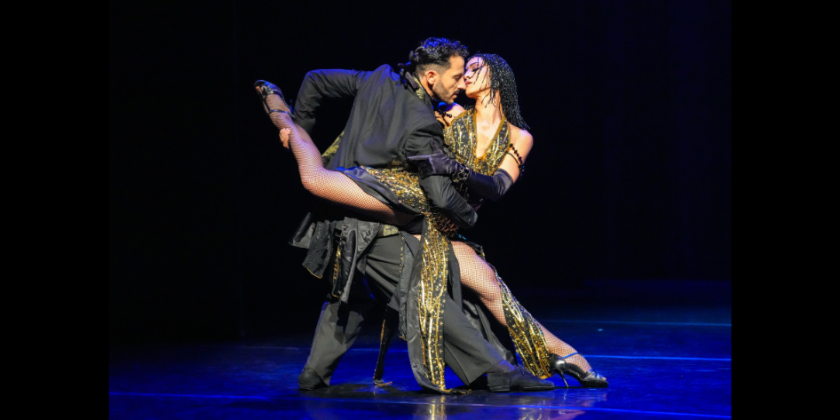
IMPRESSIONS: Guillermina Quiroga Tango Company in "Tango Soirée" at Roulette
POSTCARDS: Martín Almirón on Opening the Stage to the Community That Sustains Tango
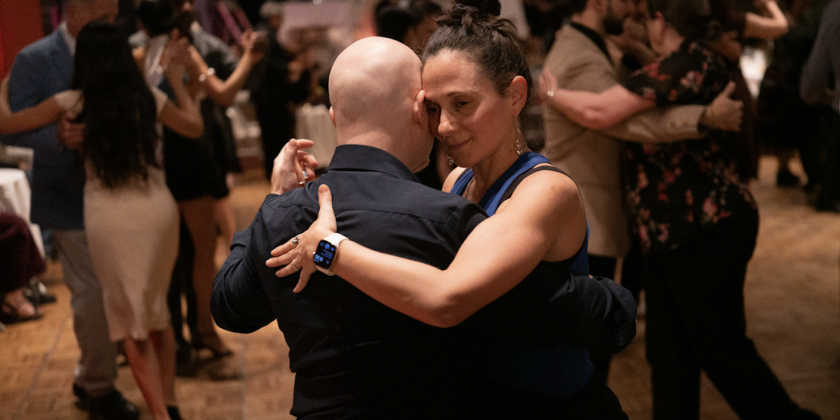
Martín Almirón is a tango artist, educator, and creator of Starry Night Tango, a New York-based performance platform where tango students and teachers dance together onstage.
The 3rd Edition of Starry Night Tango returns on Saturday, May 30, 2026
Hungarian House of New York, 213 E 82nd Street, New York, NY
Admission: Early bird, $25 | General admission, $35
Tickets: Eventbrite, Venmo or Zelle (+1 845 597 8080)
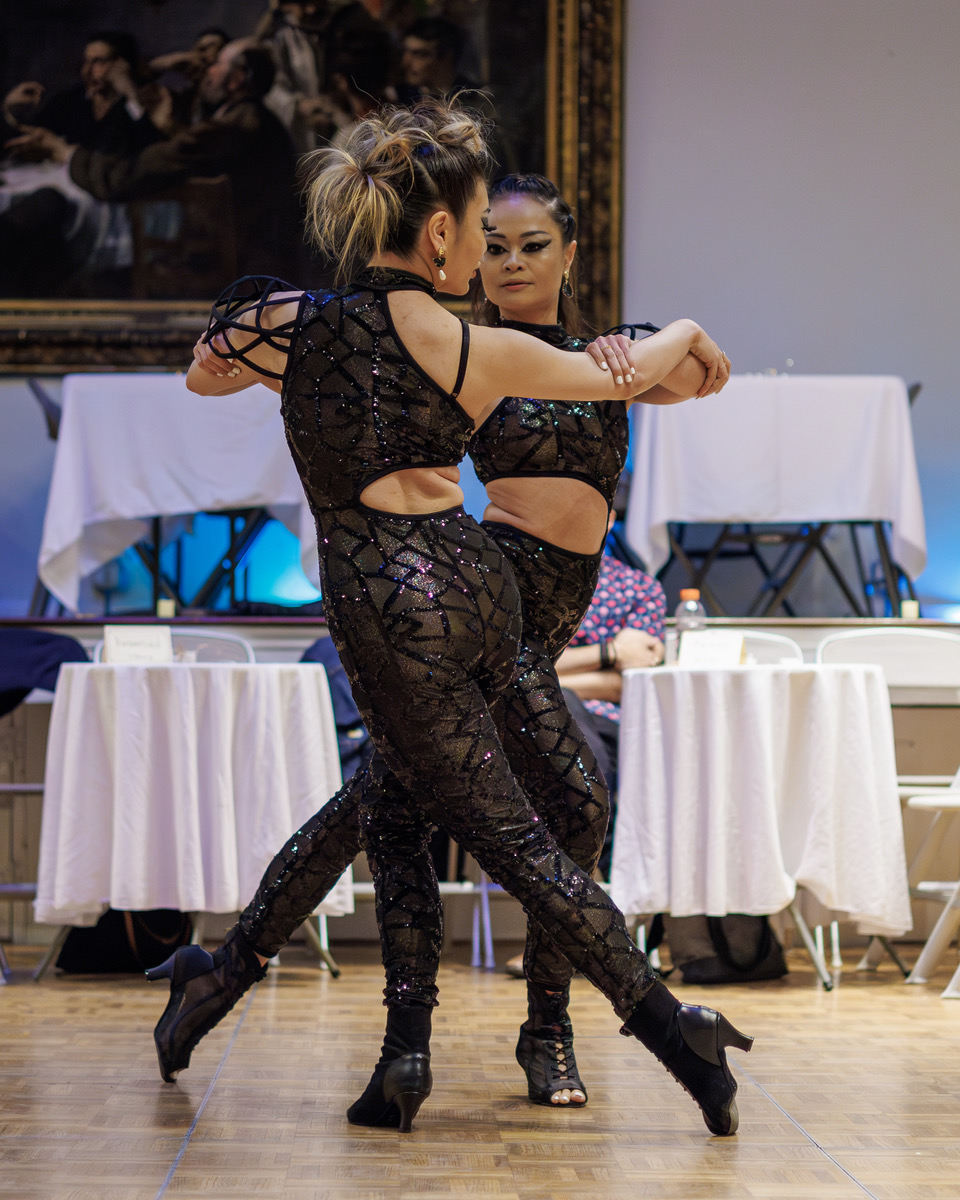
I grew up in a family where dance was part of daily life. My family had a dance school, and from a very young age I understood that dance does not live only in performance. It also lives in teaching, correction, repetition, and transmission. By the time I was around fourteen, I was already teaching. That experience shaped the way I listen to dancers, observe their process, and help each person grow according to their own needs and potential.
That way of understanding dance has stayed with me throughout my life as a tango artist and educator, and it is at the heart of why I created Starry Night Tango.
For people outside the tango world, it may help to explain that tango is not only a stage form. It is also a social dance culture. Many people study tango seriously for years not because they are training for a professional career, but because tango becomes part of their lives. They take classes, private lessons, workshops, and go to milongas. They support teachers, musicians, events, and the larger ecosystem that keeps tango alive.
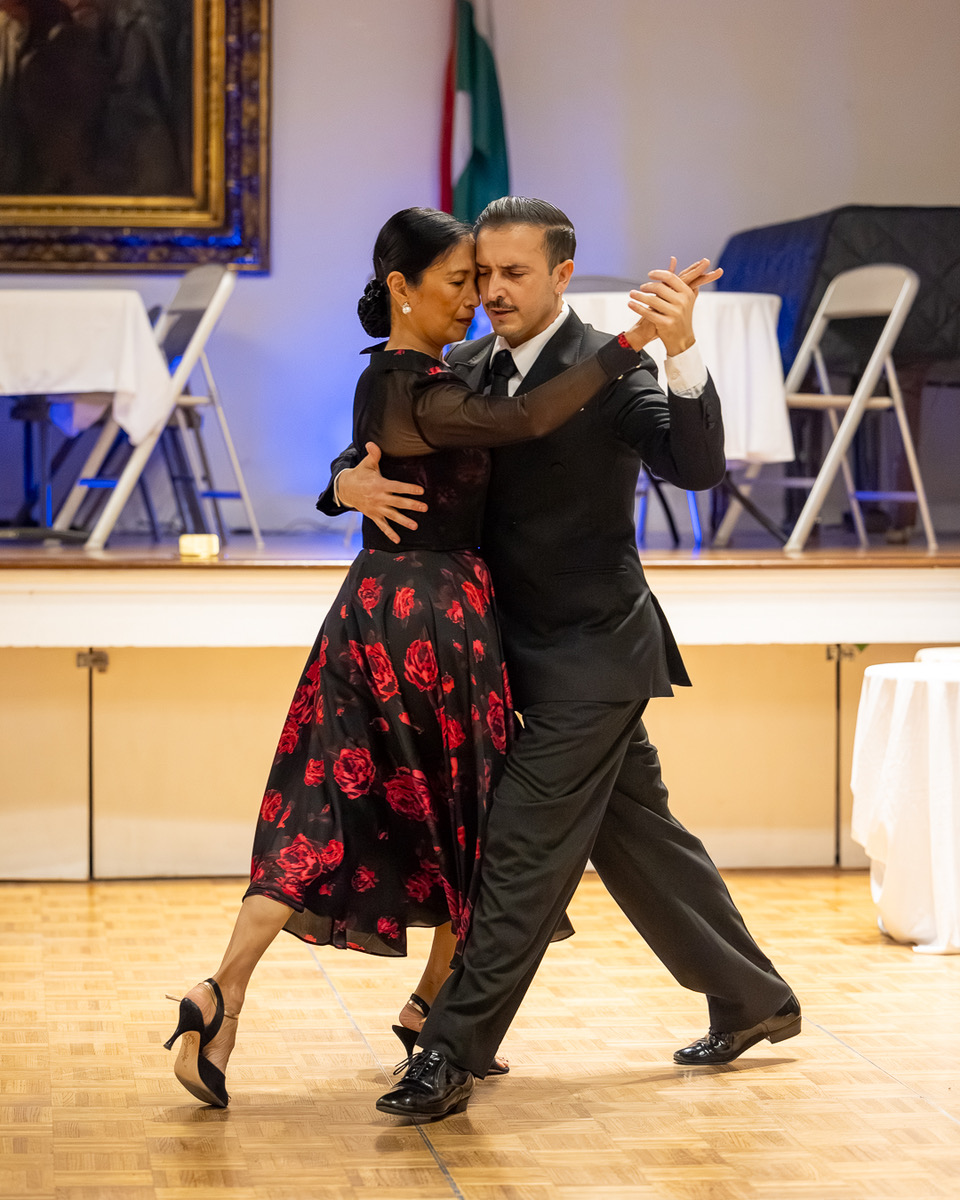
Teachers hold another essential part of that world together. In tango, a teacher does much more than explain steps. A teacher transmits musicality, history, style, values, and a way of understanding the dance. Tango educators are artists, mentors, and cultural leaders, yet that work is often most visible in the studio and not on the stage.
That stayed with me for a long time. I kept thinking about the fact that the broader tango community is the one sustaining this tradition, and yet there are very few spaces that truly reflect that reality. Students dedicate years to learning. Teachers dedicate years to guiding, refining, and transmitting. Both are central to the life of tango. Both deserve recognition.
I created Starry Night Tango as a response to that need: a performance platform where students and teachers dance together onstage, revealing the process of transmission — how tango is learned, embodied, and shared across generations. I wanted to open the stage to the people who sustain tango, while also honoring the cultural leadership of its educators and creating more space for artistic expression and belonging within the community.
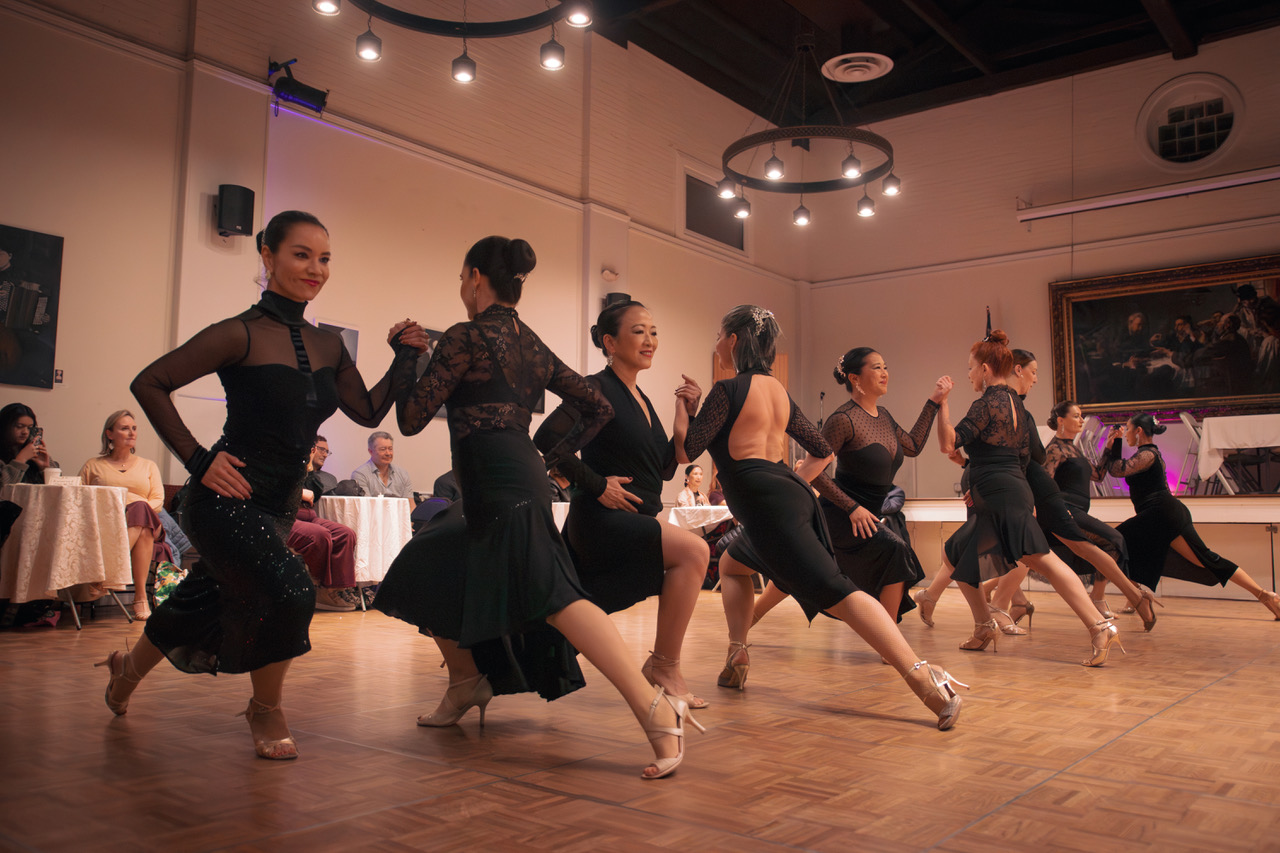
From the beginning, it was clear that this idea resonated. The first edition brought together 17 couples. By the second, nearly 30 couples participated, including dancers traveling from outside New York City. What has stayed with me most, though, is how people describe the experience.
Some participants told us that the showcase created a bridge between learning and artistry. Others reflected that milongas, workshops, festivals, group classes, and private lessons are all part of a long educational journey, and that this performance space gave them a chance to share what they had been building for years on the dance floor.
That response means a great deal to me, because it shows that the project is giving form to something people had felt for a long time. For students, the stage offers recognition, confidence, and a way to express themselves artistically within a dance they love. For teachers, it honors the often invisible labor of mentorship and makes their role visible as artists, educators, and transmitters of culture.
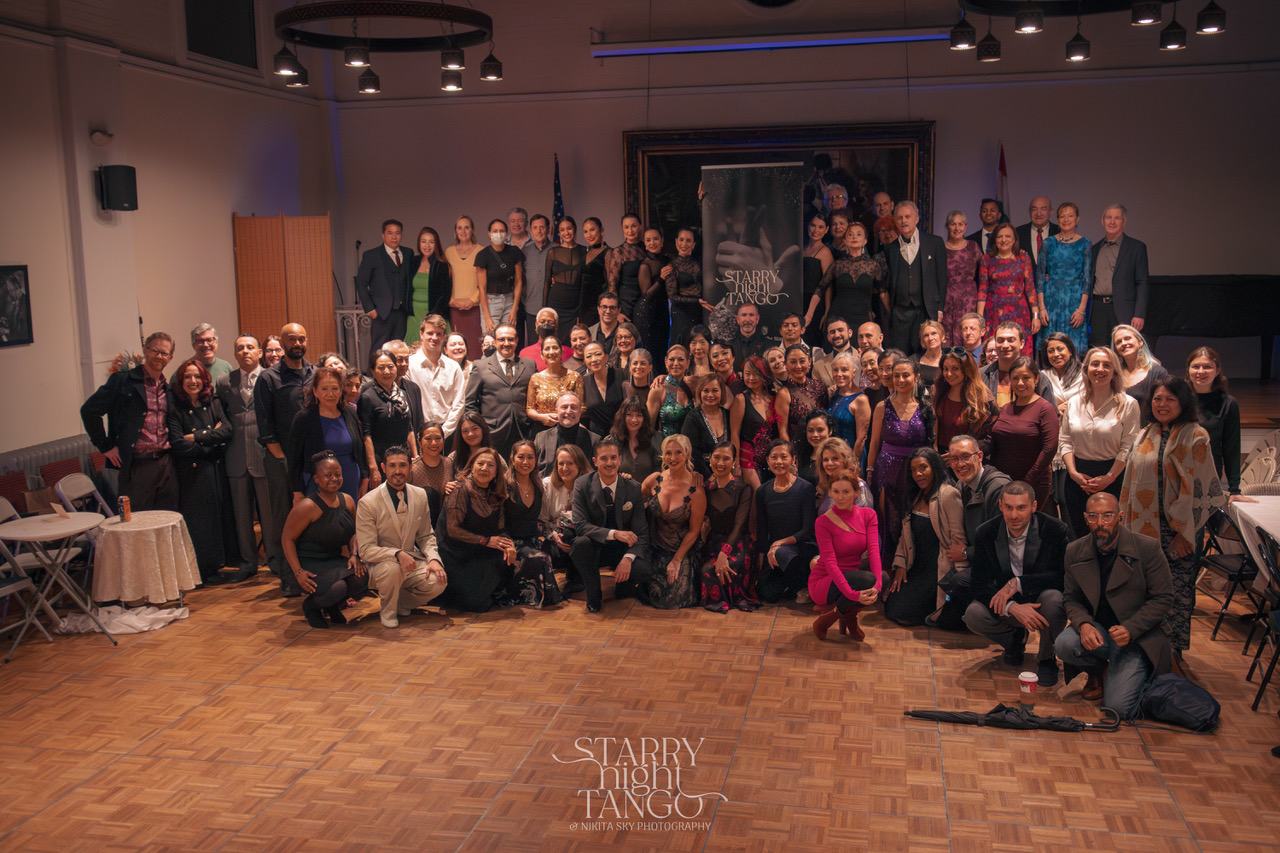
I believe education is what sustains a tradition. That is what I hope Starry Night Tango contributes: a place where students and teachers share the stage, where growth and artistry are both valued, and where tango can continue to live through the people who devote themselves to it.
Warmly,
Martín Almirón