


Related Features
IMPRESSIONS: GRAHAM 100 at New York City Center (Part 2)
IMPRESSIONS: GRAHAM 100 at New York City Center (Part 1)

THE DANCE ENTHUSIAST ASKS: Martha Graham Dance Company's Legacy, Photographed by Deborah Ory and Ken Browar

By Theo Boguszewski
View Profile |
More From This Author
Published on December 17, 2025
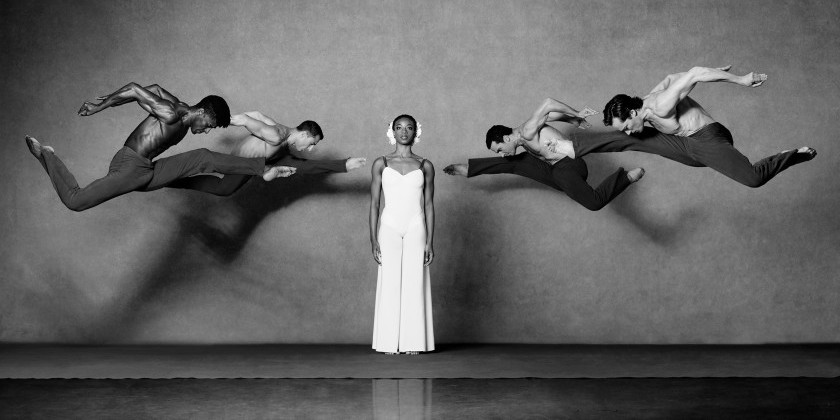
"Diversion of Angels." Photo: NYC Dance Project
In honor of the centennial of one of modern dance’s most influential institutions, Martha Graham Dance Company 100 Years brings together a century of movement through the lens of photographers Deborah Ory and Ken Browar. Longtime collaborators and founders of NYC Dance Project, Ory and Browar draw on their personal and professional ties to the company to create a visual record that bridges history and the present.
Ory and Browar spoke with The Dance Enthusiast’s Theo Boguszewski about the origins of their project and the role photography can play in preserving dance as a living art form.
How did your new book, Martha Graham Dance Company 100 Years come to be?
Deborah Ory: I started studying Martha Graham technique when I was a teenager; it was my first exposure to modern dance. I studied the technique at University of Michigan with Peter Sparling, who ended up writing the text for the book. Fifteen years ago, when Ken and I first started photographing dancers, our very first dancer was Lloyd Knight, a Martha Graham dancer. So it goes way back.
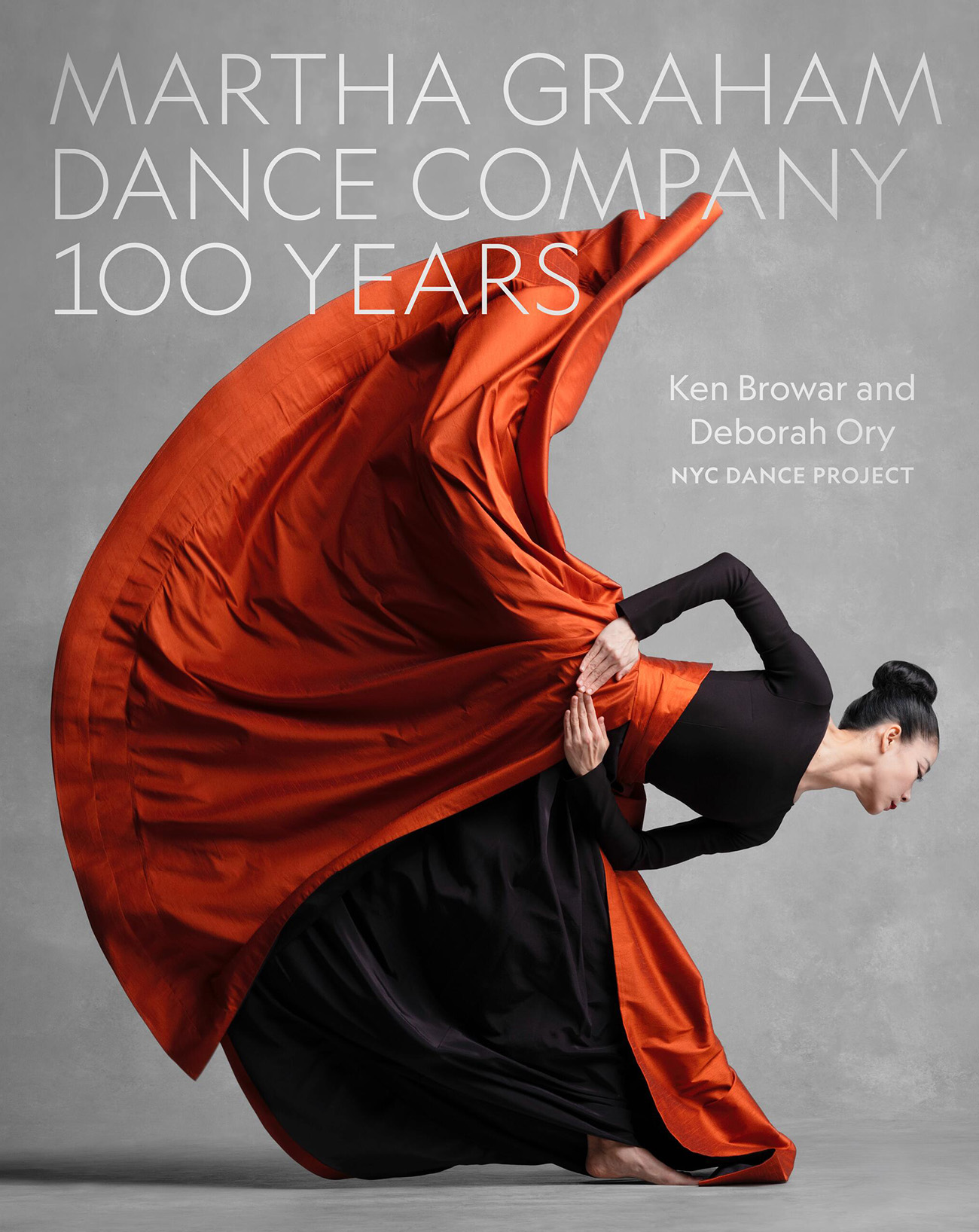

For our very first book, The Art of Movement, we photographed dancers from many different companies around the world. But the Martha Graham Company was one of the companies we worked with most, including with Janet Eilber. Janet wrote for our first and second books. And when it came around to Graham’s hundredth anniversary, we had been talking together about doing a project. A book seemed like the perfect idea.
You both have worked together extensively as NYC Dance Project. How did your collaboration evolve?
Deborah Ory: Well, we've been working together forever, it feels like. I guess it's been about 15 years that we had been dating. We were both photographers working separately and we thought it'd be fun to do a project together. I had come from a dance background, and Ken had also photographed dancers for magazine shoots. My daughters studied ballet at the American Ballet Theater school and they were fascinated with all the big stars. One of my daughters was having her 12th birthday, and was getting her first pair of pointe shoes, so we wanted to decorate her room with a ballet theme.
Ken Browar: We got her a ballet barre, ballet shoes, ribbons, everything. And, we wanted to put photos on her wall. We realized quite quickly that very few dancers had been photographed. You could get Baryshnikov and maybe one or two others, but most of the stars hadn't really been photographed.
Deborah Ory: This was 15 years ago. Social media had just started. We reached out to a dancer on social media, Daniil Simkin at ABT, and he accepted. We had a very large loft in Brooklyn and we photographed him in our living room. After we photographed him, he said, “Well, who else do you want?”
Ken Browar: We started getting these photos of dancers, and Deborah was excited because she knew all of them. The kids were very excited.
Deborah Ory: We didn't know what to do with these photos, so we started an Instagram account. Daniil was very involved in early social media, so he helped us set it up. And we had both come from a magazine background, Ken and I, so right away we interviewed the dancers as well as photographing them.
Ken Browar: We were also able to give the dancers a voice. Around this time, fifteen years ago, it was really about the company, not about the individual dancers. We got pushback from some of the companies because they actually didn't want the dancers to have a voice. Now people go to see Misty Copeland, back then, people went to see ABT, and if Misty was sick, no one protested. It was a different time.
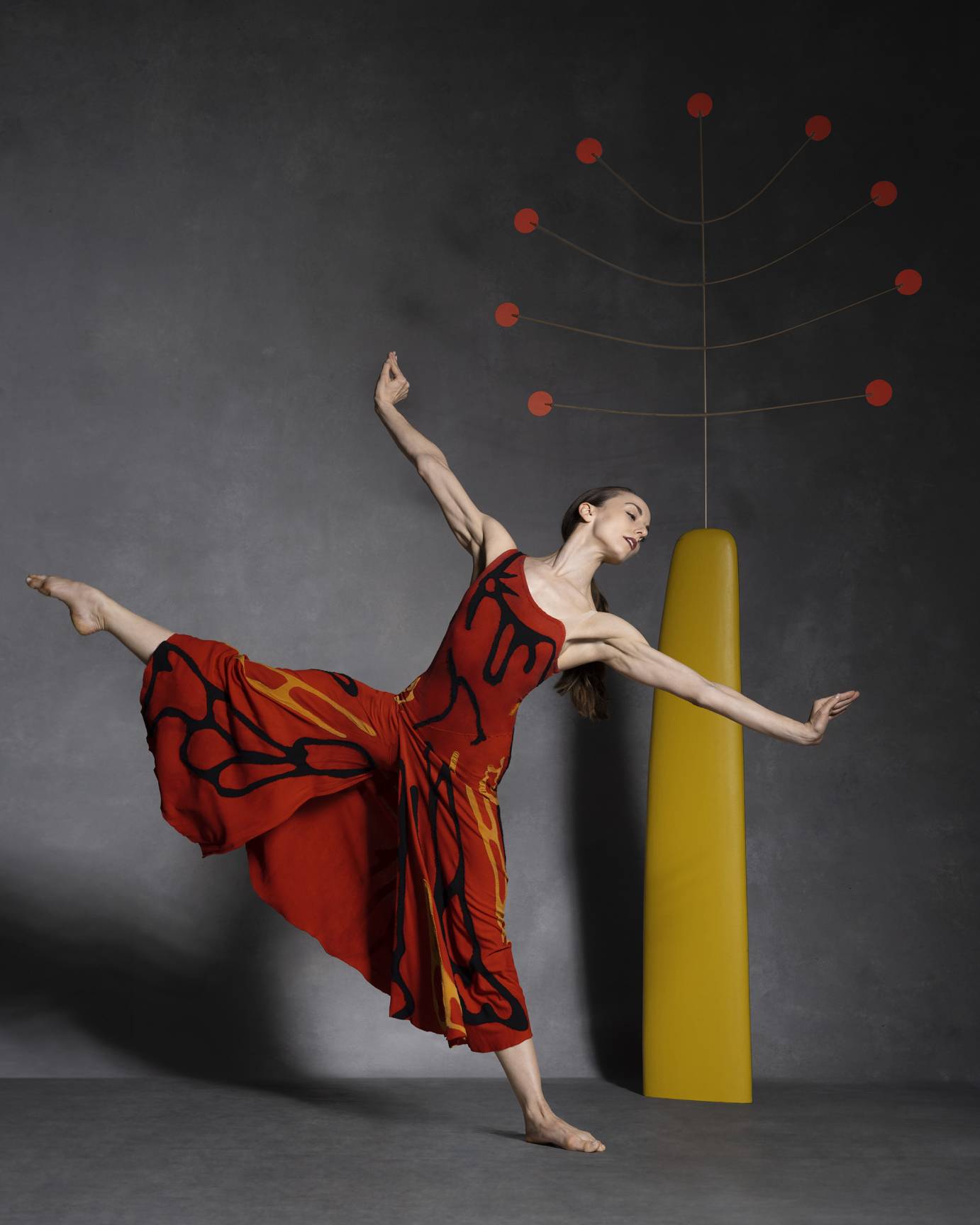
Can you walk me through the process of photographing the Martha Graham Company? How did you decide what movements you wanted to capture?
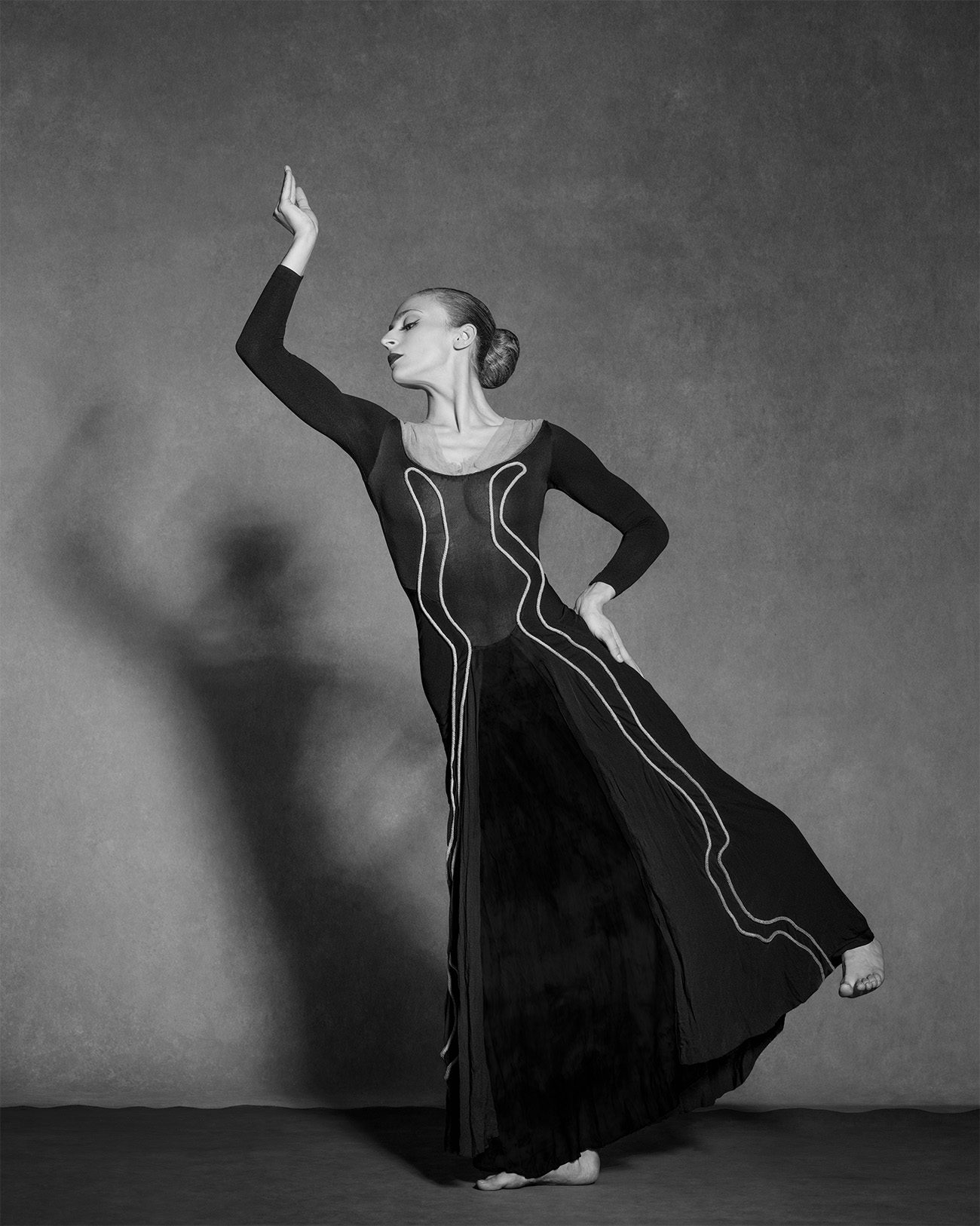
Deborah Ory: We'd been working with the Martha Graham Company for 15 years. So when we started on a specific book that was solely about them, we had a lot of meetings with Janet. We decided that we would photograph twenty-five of their ballets. We photographed Graham dances before, and Janet was always happy to lend us costumes, but her one rule was that we couldn’t use any movements that were not in the original choreography. That simplified things in a sense. I watched every single dance many, many times, and I read everything I could about Martha creating each piece.
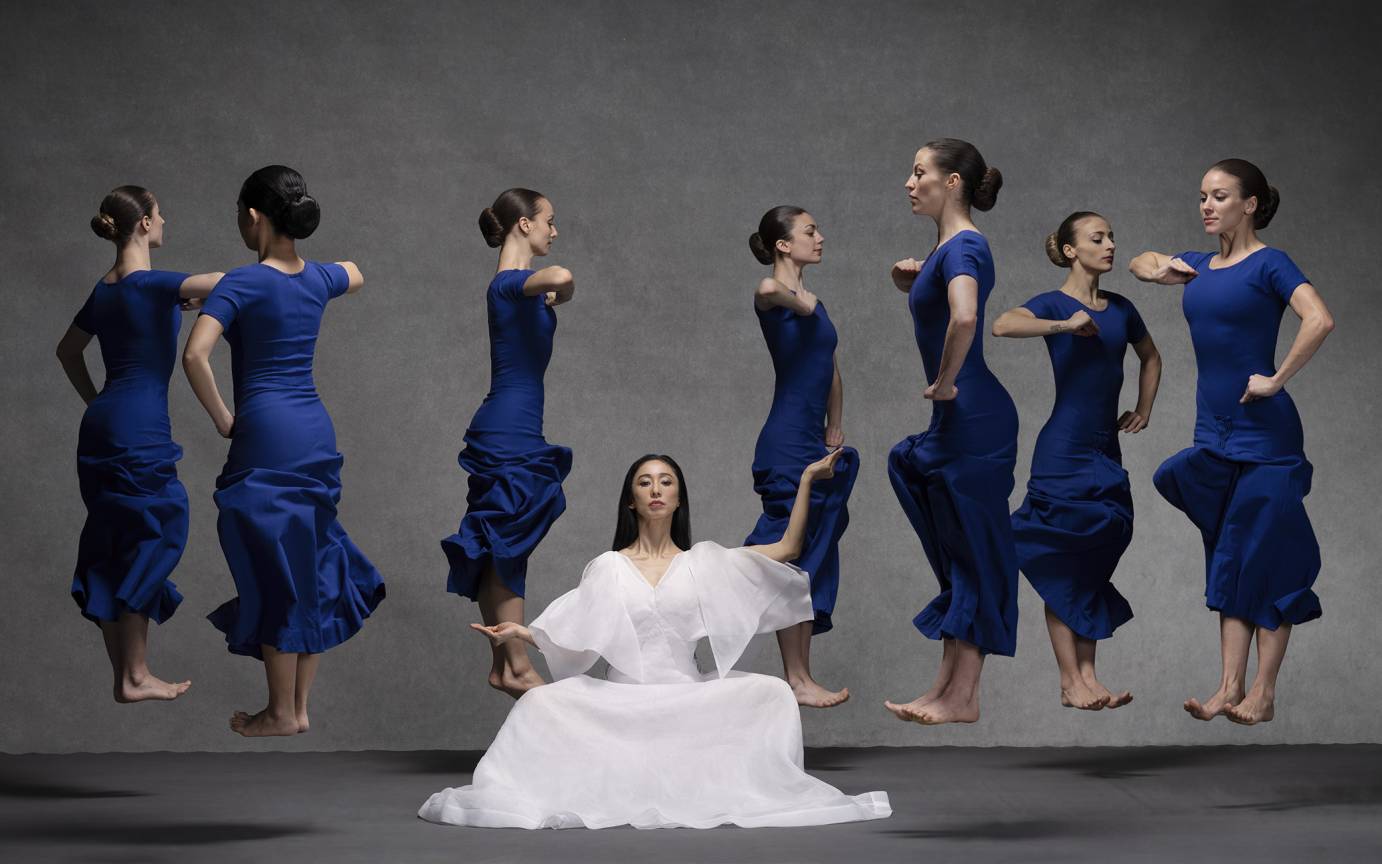
Ken Browar: Their archives gave us videos of performances that were not available publicly. A lot of research went into what we were doing.
Deborah Ory: Some of the archived photos were actually used to recreate a few of Martha Graham's ballets, because the company didn’t have a record of them. Some solos were recreated from Barbara Morgan photos, recreated by Graham Company members who did a lot of historical research and pieced [the choreography] together.
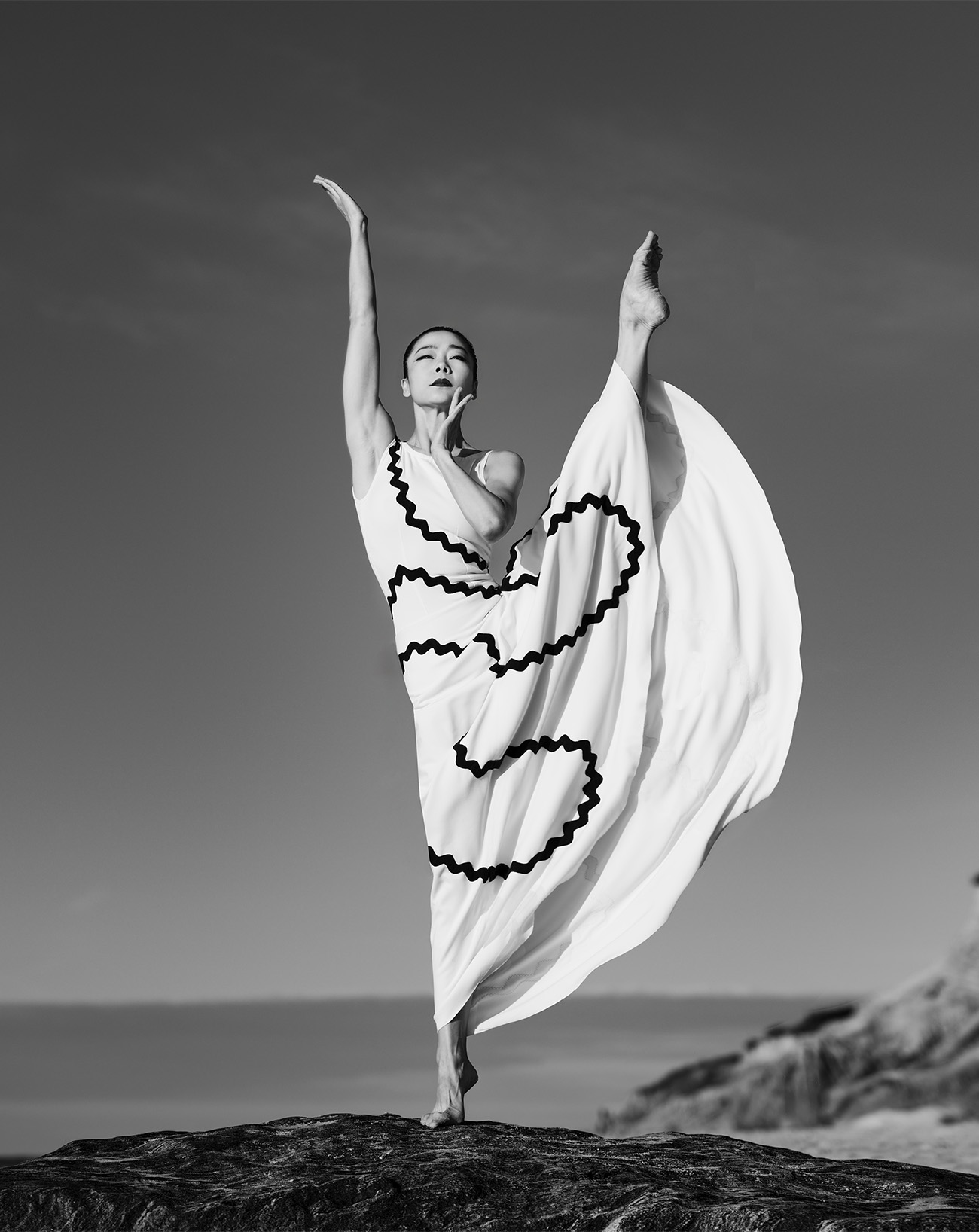
I love the fact that the book juxtaposes older photographs of the Graham Company, like from Barbara Morgan. Were you influenced by those in any way?
Ken Browar: Being a photographer, you're influenced by everything : by the weather, by the light... But the more knowledge you have of what you're photographing, the better your images are.
Deboray Ory: I'm a huge fan of Barbara Morgan. I have several of her images, which I've collected over the years, and she's definitely an influence on my work. We wanted to make our images different from hers, but they're obviously influenced. We were so lucky to have such incredible archival images. The Graham Company was photographed by Philippe Halsman, Barbara Morgan, and Andy Warhol did illustrations. They have a rich archive of history and imagery.
How did working closely with the current dancers and artistic leadership of the company influence the final outcome of the book?
Deboray Ory: The project was a huge collaboration. Obviously Janet was extremely involved ; she approved every photo and layout, and went through all the text. The dancers are so important to this book. They were a huge help in creating it.
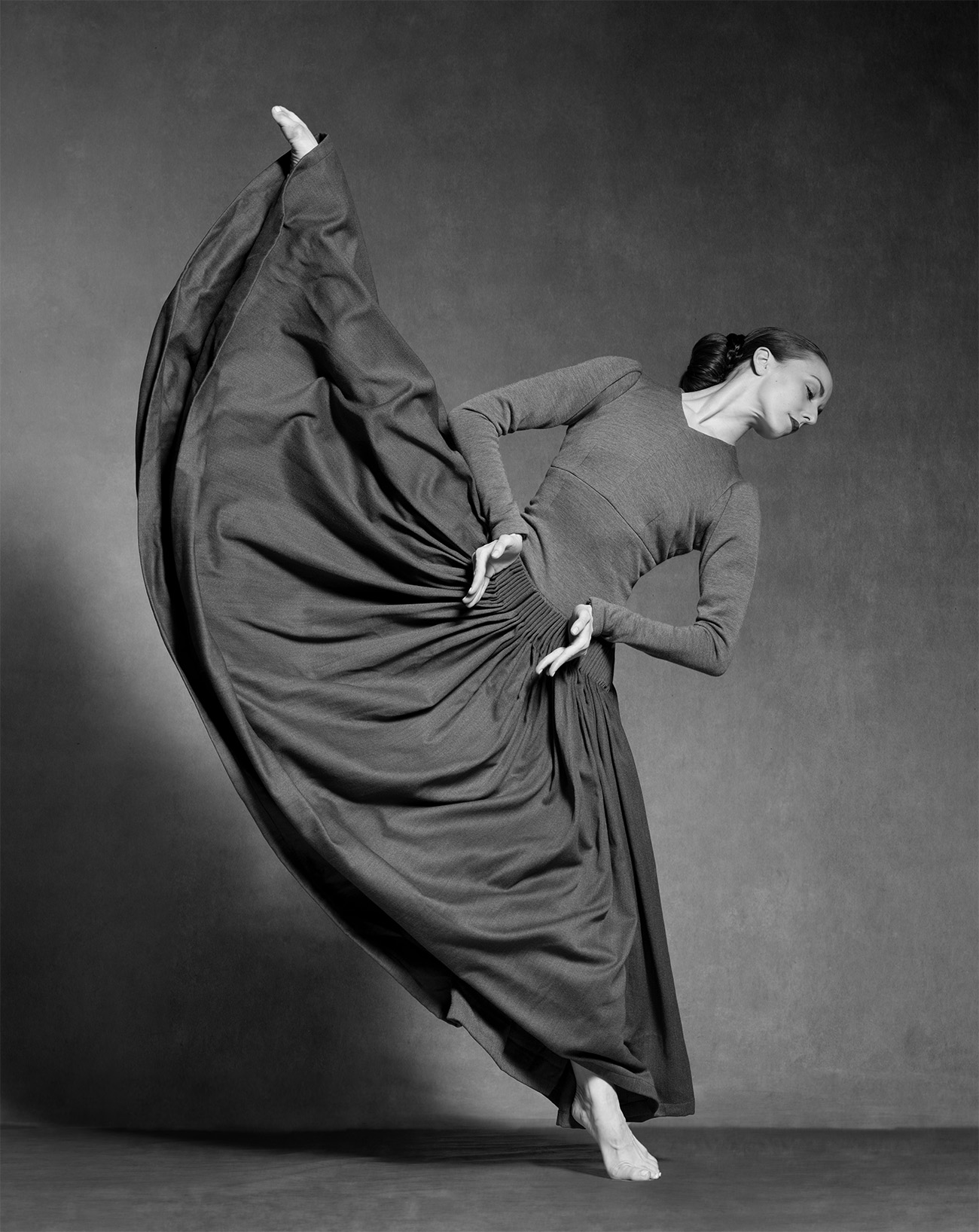
Ken Browar: And coming from the fashion world, where fashion models are not terribly supportive of each other — everyone wanted to be the big star — we found that the dancers were extremely friendly and collaborative. If we were shooting with several dancers, the ones who weren't being photographed were in the background coaching. They all wanted to have everybody be their best.
Were there any particular works, or roles, that presented challenges in photographing?
Deboray Ory: Something we hadn't done before was work with very large groups. Graham has a performance and rehearsal area on the top floor of Westbeth, and we had a background made that was large enough to photograph the entire company. It had to be carried up the 11 flights of stairs because it couldn't fit in the elevator.
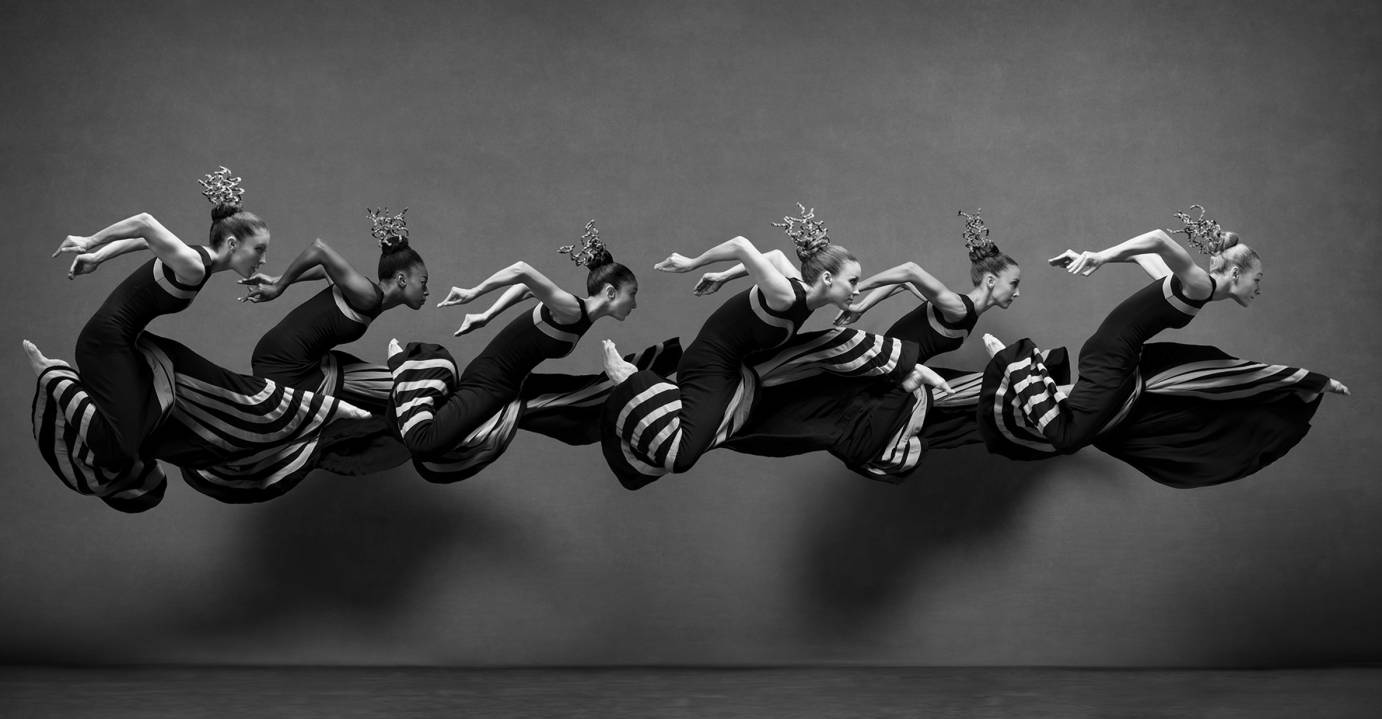
Some of the pictures have 10, 12 dancers in them, and that presented its own challenge, just as far as getting everyone together and directing them. It was a lot of problem solving.
Were there moments of stillness captured in the photographs that revealed something new or interesting about the dances themselves?
Deboray Ory: Absolutely. Even when dancers are still, they're moving; the stillness between each movement is very revealing.
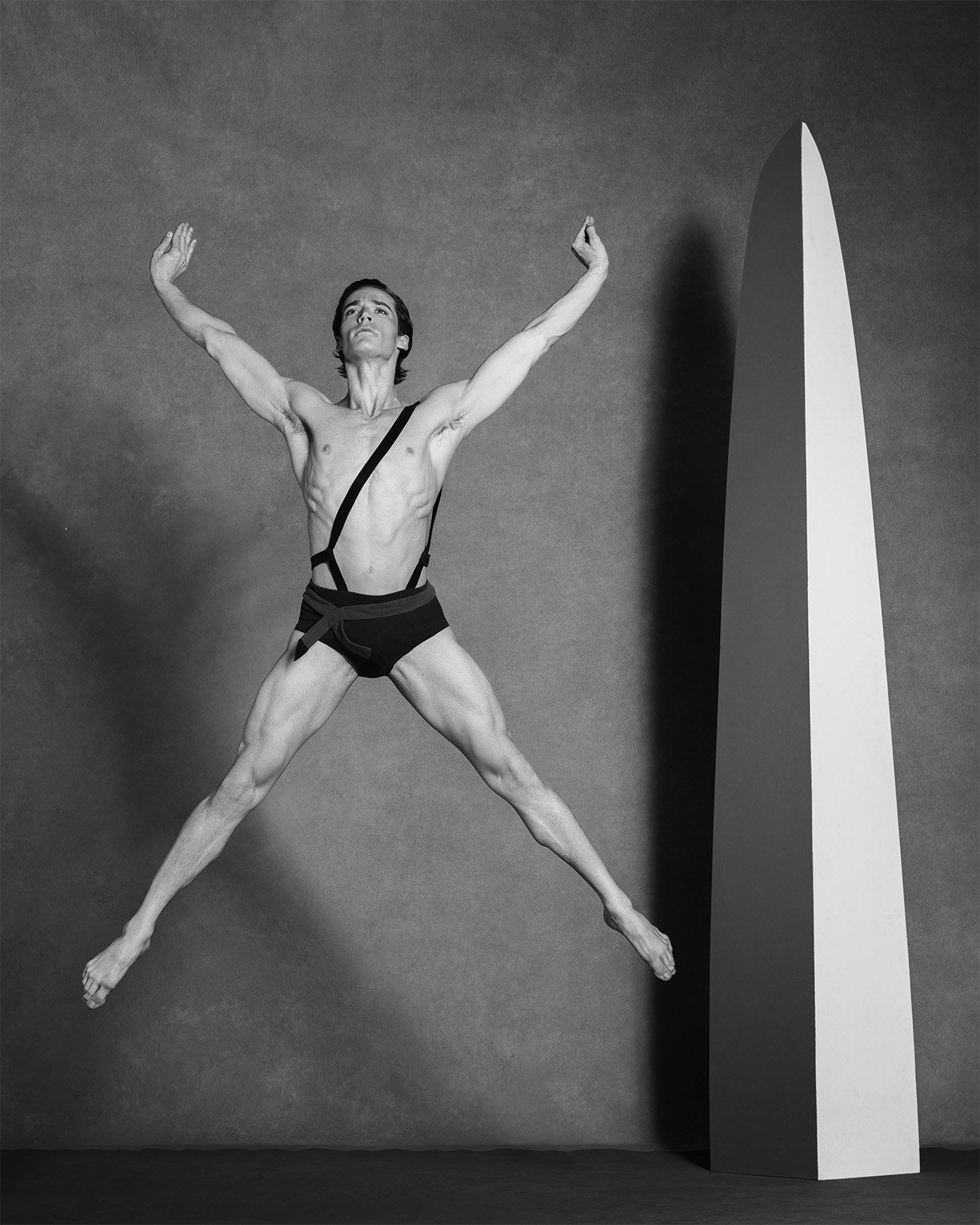
Ken Browar: Our first book was The Art of Movement, and we wanted to give a feeling of continuation, instead of freezing the dancers. Some photographers photograph dancers completely frozen in a pose. But if you look at our images, you feel like they're in the air, and they're going to continue.
Is there a particular image or a spread in the book that feels especially meaningful or memorable to you?
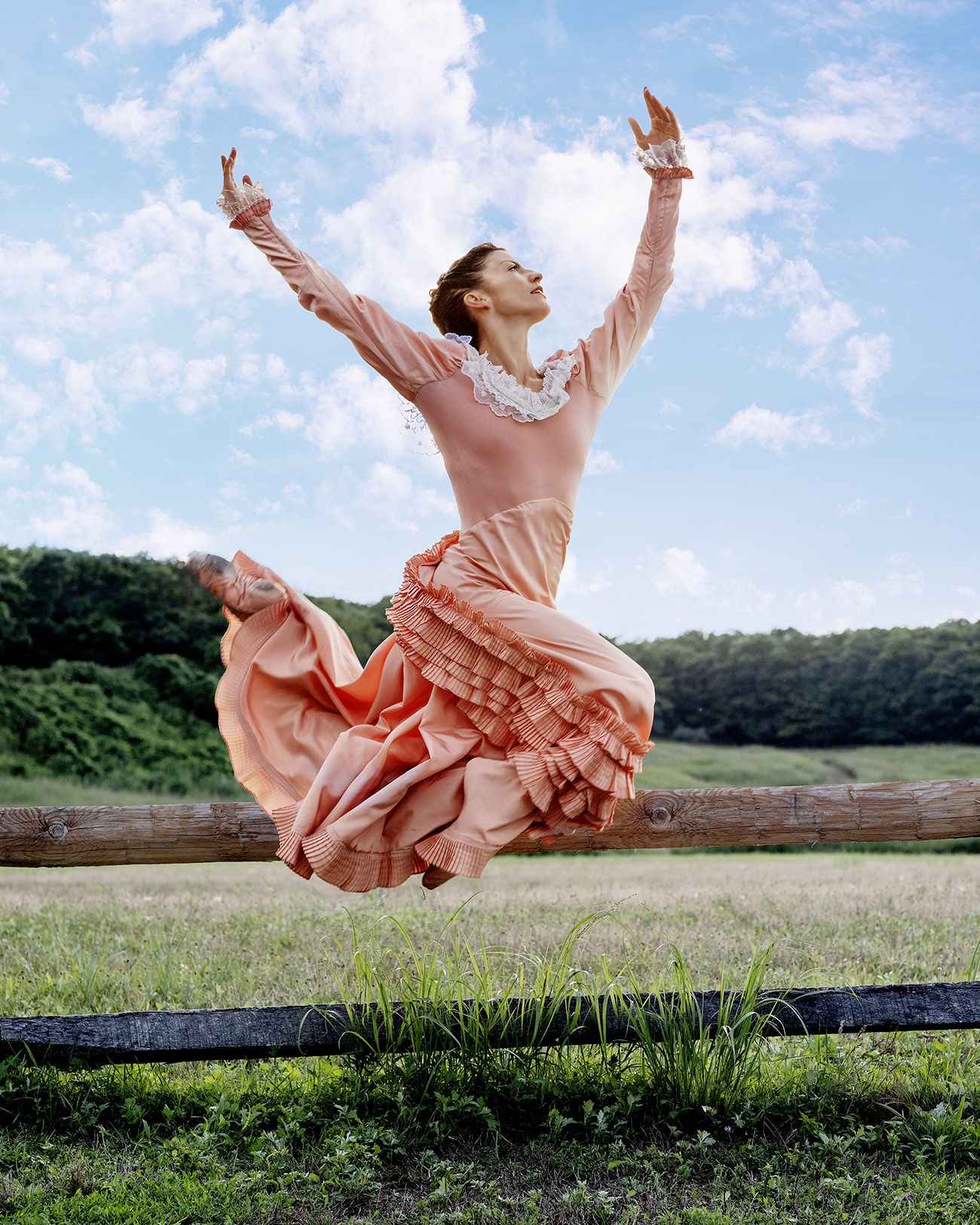
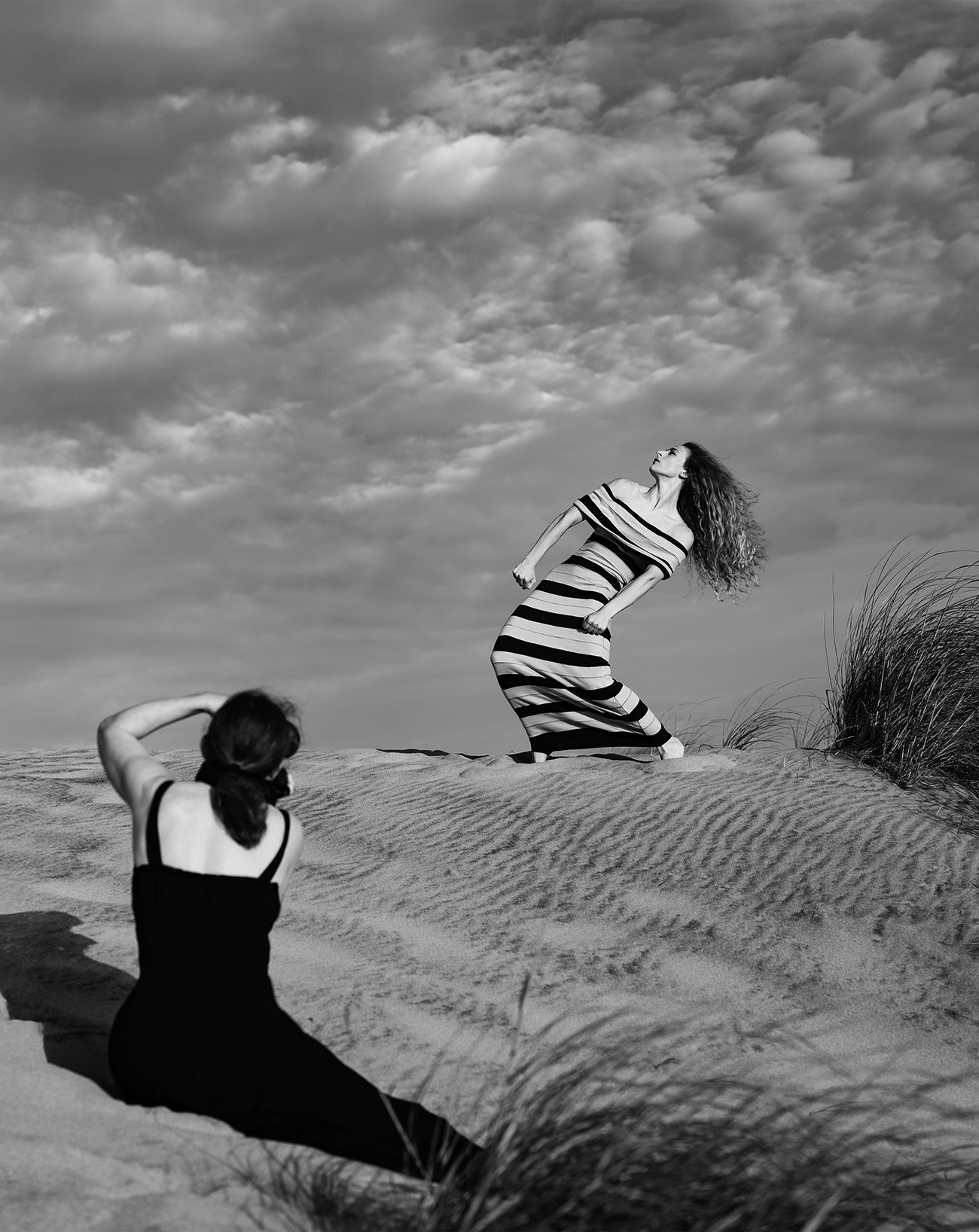
Deboray Ory: I happen to love the ones of Marzia Memoli doing Satyric Festival Song in the dunes. We climbed the sand dunes and we had no idea what we were going to find. It was probably 5:30am and it had rained the night before so there was that cold morning dew.
All along the sand dunes were these little stripes in the sand, which echoed her striped dress. And then the clouds were magical. And I said, 'Oh, it would be incredible if you could jump.' I figured there was no way she could jump in the dunes, but she managed to. That moment was really magical for me.
Ken Browar: I think what is most magical is to have completed the book. Because it's rare for a photographer to do a book — once you've been able to close it up and send it off, that's the magic for me.
Deboray Ory: It was magical when we went to the Graham Company with the book and they were all stretched out on the floor looking at it together. Until then they'd only seen their own photos, not the other dancers’ photos or the book as a whole. And it was just wonderful to get to share it with them at the end.

What do you hope the book contributes to the ongoing conversation about preserving dance and preserving dance history?
Deboray Ory: It’s such a precarious time right now for the arts. We started photographing dance 15 years ago. We've seen so much change, especially during COVID where a lot of people we knew retired quite young or changed careers early. It’s so important to keep the arts going at a time when we're losing funding. I hope this book brings new audiences to dance, and especially to legacy companies like Graham that have so much important history. It feels lmore important than ever to highlight artists like Graham who made such important political statements and stood up for what we’re still struggling with today.
Ken Browar: I find this book easy to digest. A lot of historical books on Martha Graham are very dense. This is a visual book that’s an easy taste for people.
Deboray Ory: The company is touring the entire world, but they may not come to every city and they may not be in every city at a date when you can go. For people to get a taste of the 100 year celebration even if they can't get to a performance is wonderful. They can take it home with them.