

Related Features

IMPRESSIONS: Lucinda Childs’ Early Works from 1963-1973 at the Guggenheim’s Rotunda

THE DANCE ENTHUSIAST ASKS: Gina Gibney, Recipient of the Bessies Service to the Field Award (2025)
THE DANCE ENTHUSIAST ASKS: Not Retiring Anytime Soon, Lucinda Childs on her Partnership with Gibney Dance

By Theo Boguszewski
View Profile |
More From This Author
Published on February 2, 2026
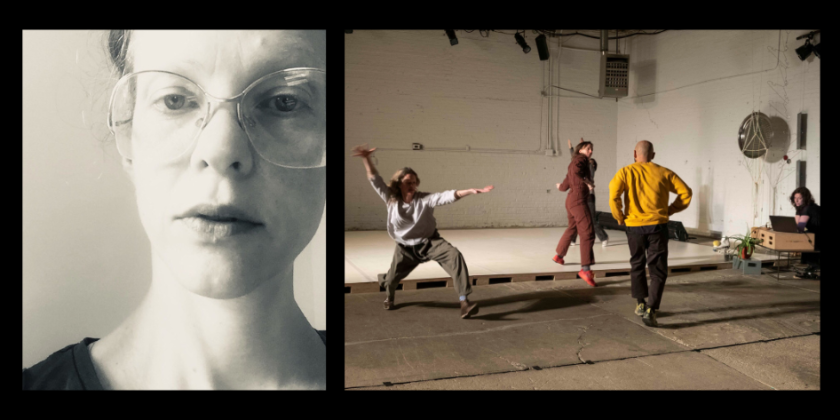
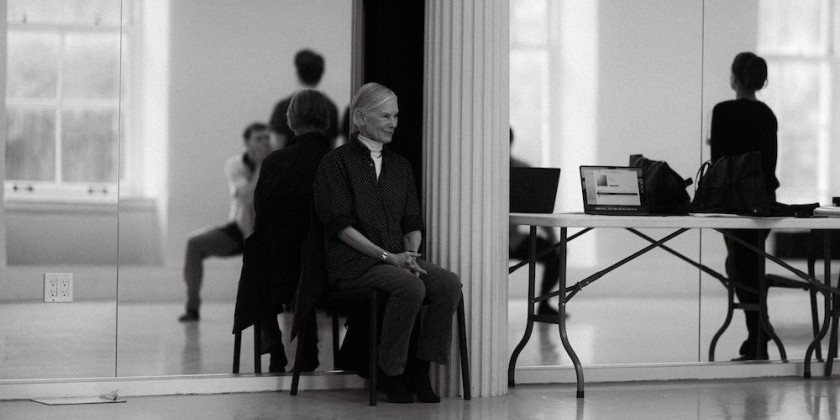
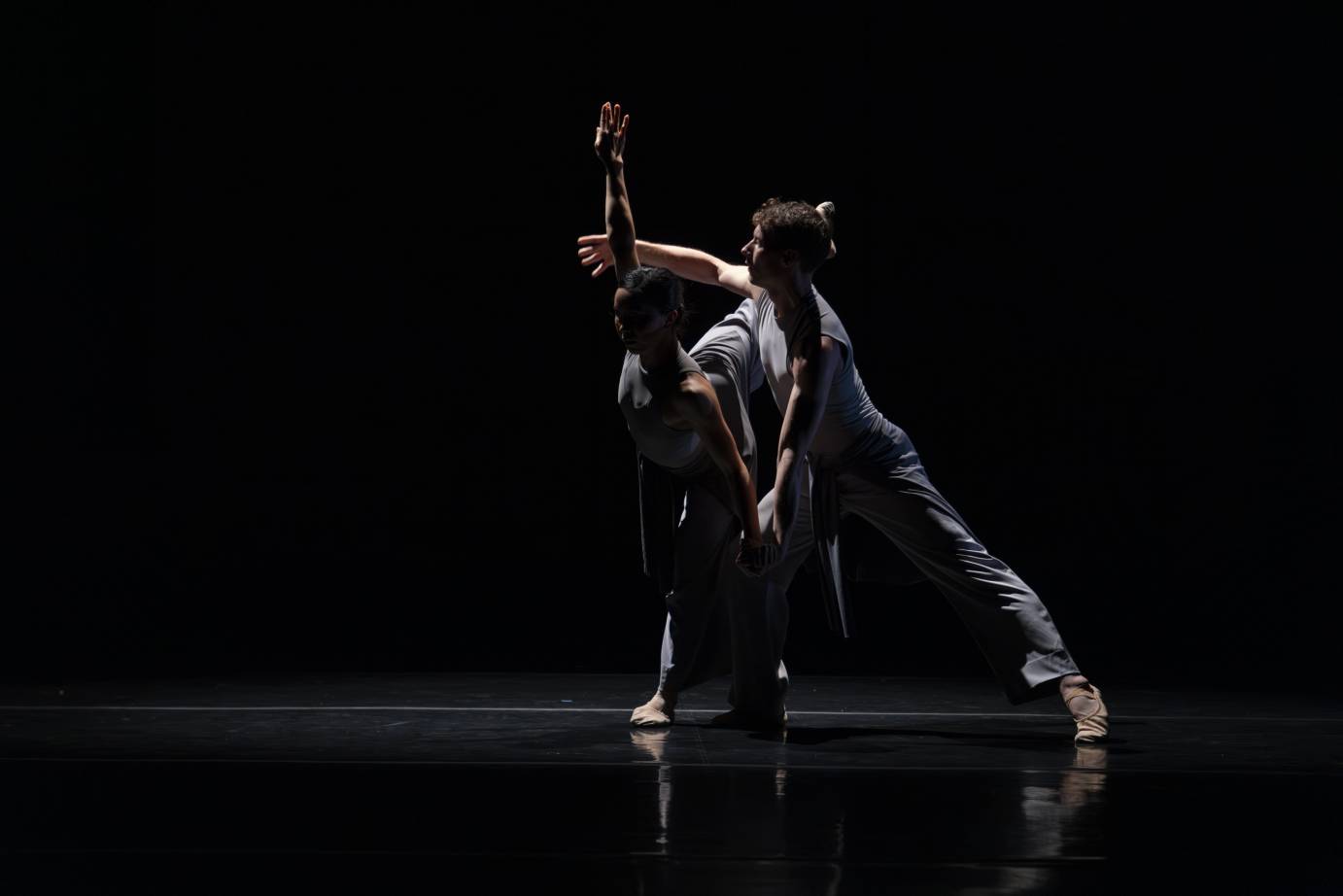
Lucinda Childs in rehearsal with Gibney Company
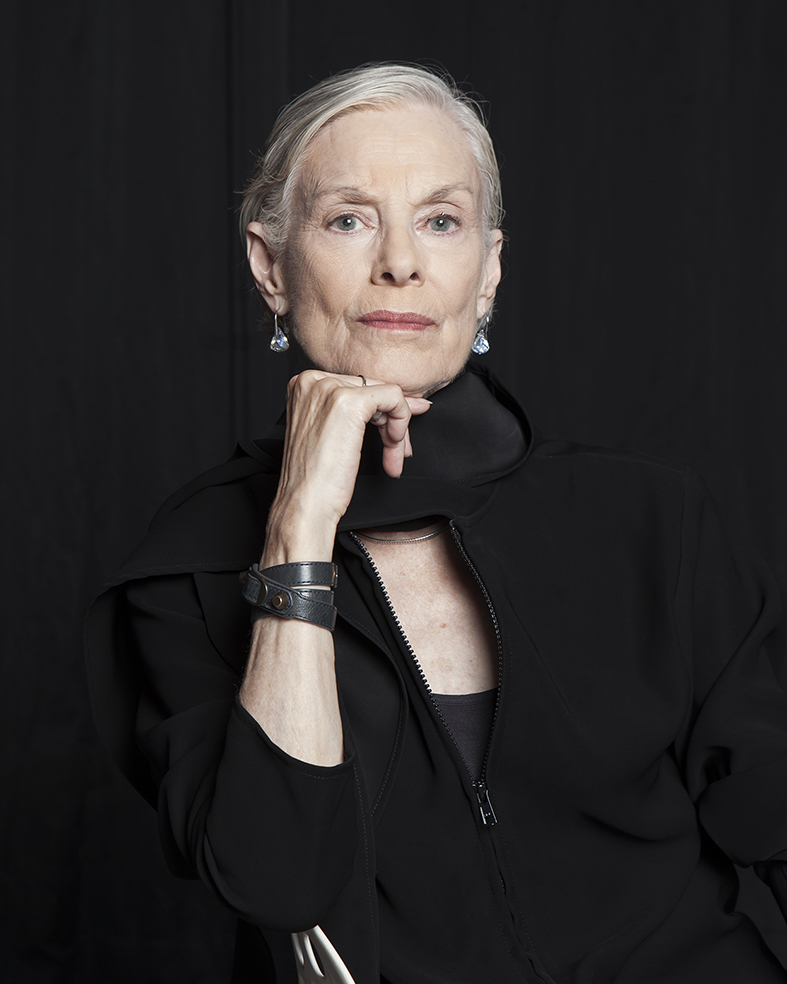
At 85, Lucinda Childs still has an eye towards the future. In a conversation with The Dance Enthusiast’s Theo Boguszewski, the legendary choreographer reflects on her upcoming five-year residency with the Gibney Company, an artistic partnership rooted in trust, space, and sufficient time. Speaking candidly about her creative inspirations and the broader world shaping her thinking, Childs offers a window into how a lifetime of precision and rigor continues to open new space for inquiry and creation.
What is the origin of your relationship with Gina Gibney and the Gibney Company?
About two years ago, Gina invited me to come see the company, in the interest of wanting to know if I would make a new work on them. I saw the company twice and was really impressed. It's so unusual in New York to have a full time company with a mixed repertory. It's a wonderful group of dancers and I was, of course, really happy to accept the commission. I happened to be at that moment very interested in a John Cage piece, a prepared piano piece that he made in the 40s, back in the old days with Merce Cunningham. I found a score for it, and I thought, “Wow, I can really use this and it would be an exciting piece to work on.”
So I created Three Dances (for prepared piano) John Cage. I was so impressed with the Gibney dancers, not only professionally in terms of movement, but also in terms of musicality. They picked it up so well and I was really happy with it.
Then as a result of that, Gina said, “Can you come back and do another one? And as a matter of fact, maybe we could talk about an ongoing relationship?”
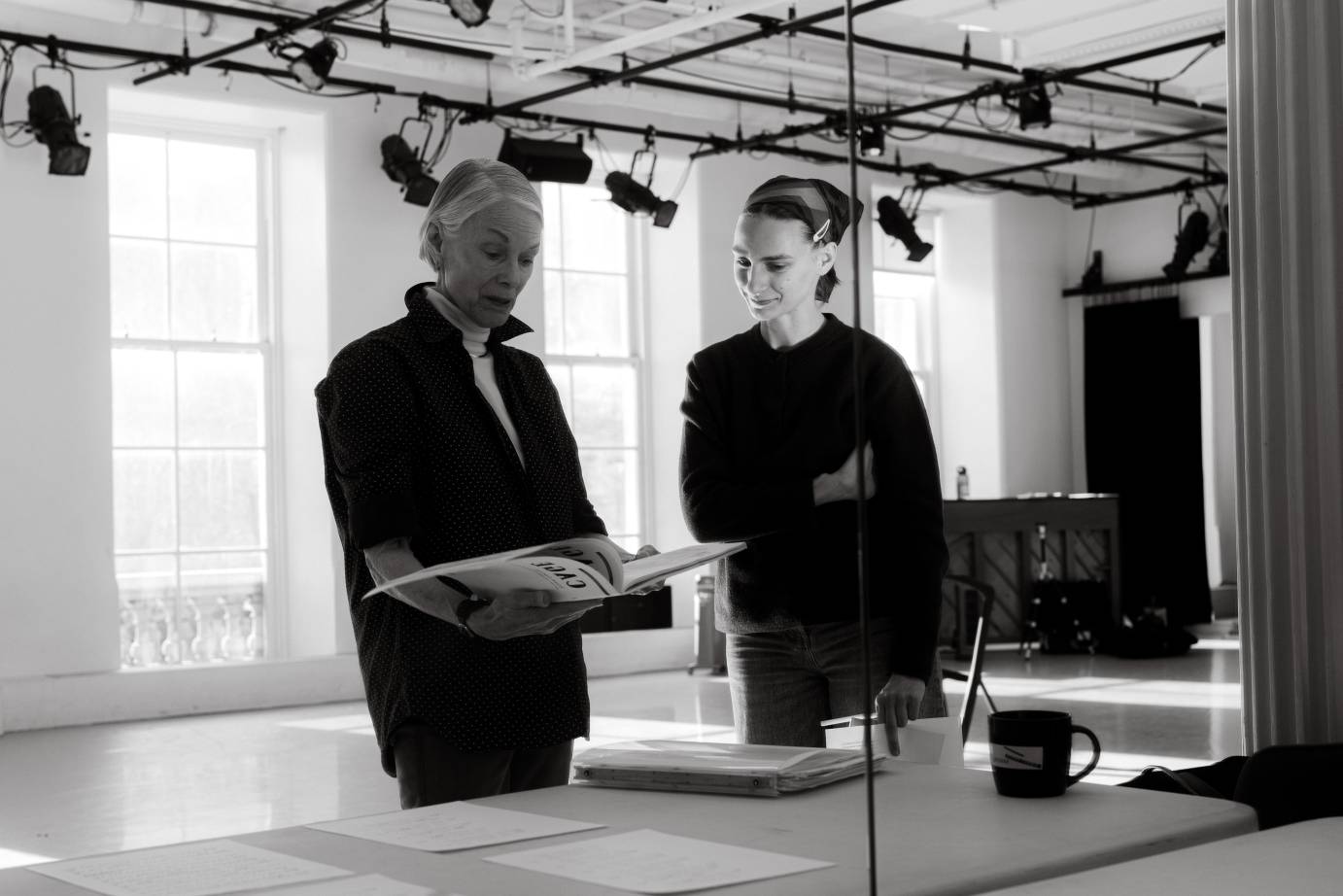
To which I said, “Yeah, sure, terrific.” I mean, I have my own company, but we freelance, as things come up. For example, we have Bard this summer, we have a tour here and there. My relationship with some of them goes back 15 years. We're on and off, but we're still hanging in there.
So you're going to be working with Gibney Dance for five years, which is an unusually long horizon for contemporary dance. What does it mean to you to have this amount of time as an artistic resource and to build a sustained relationship with a new company?
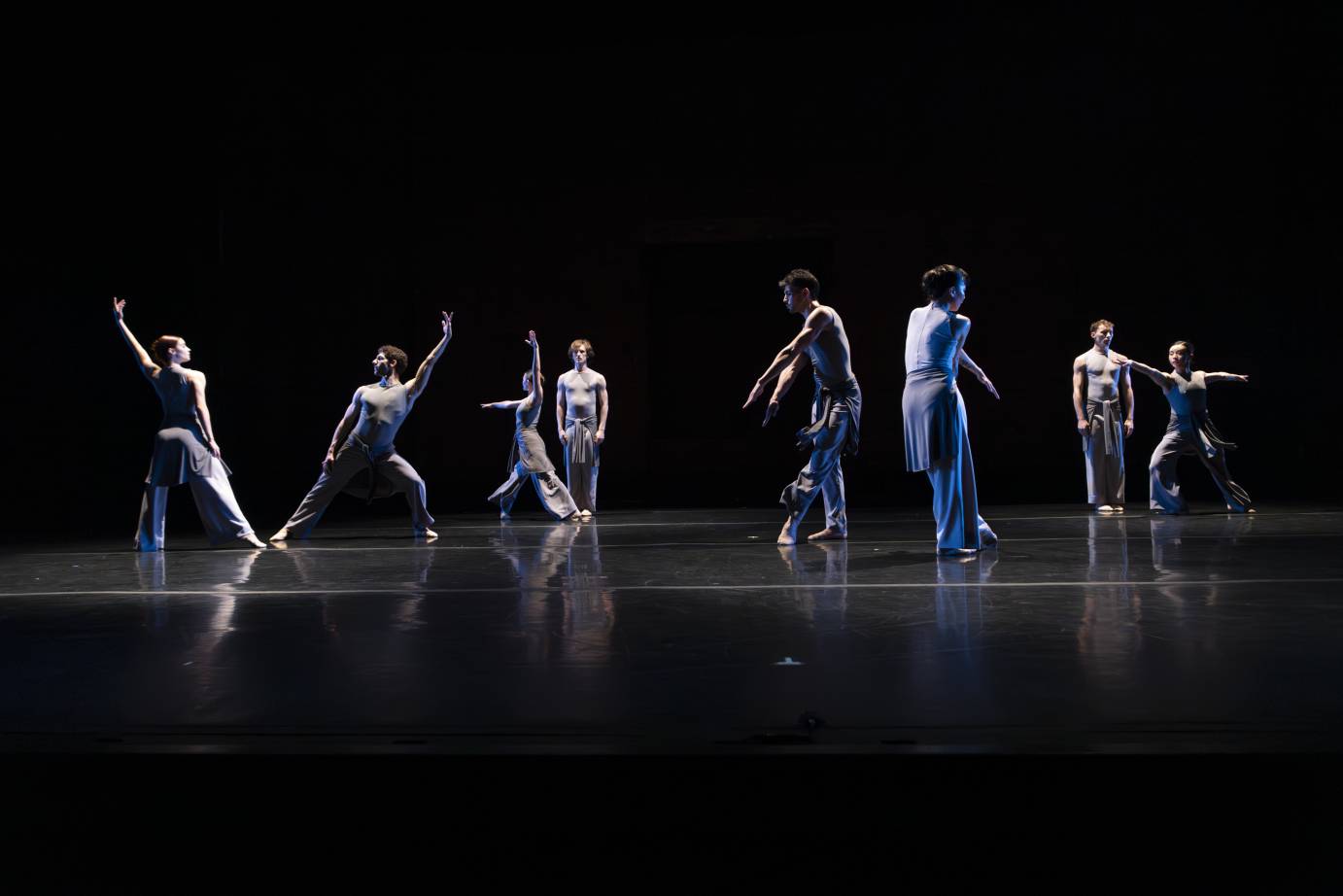
I'm very pleased that the company will perform Canto Ostinato at the Joyce in April. I'm glad that it's in their repertory. The dancers picked up this work so quickly. It was originally choreographed for a company in Holland (Introdans) with music of Simeon ten Holt, who is a very famous piano composer in Holland.
The first thing that came up was the possibility for me to work on a new evening-length work. We are aiming to have that ready for early 2027. And after that, who knows. Gina was thinking of doing an all Childs program, which would be totally cool. I would love that.
As part of this residency there will be other types of events outside of just performances – conversations, open rehearsals, exchanges with artists. What are you looking forward to about these exchanges?
Gina and I get along really well. She just understands what I need and what I don't need. I'm totally open to all those kinds of things if they happen at the right time. For example, right now, when I'm just first starting out with workshopping and developing some individual material for the dancers, I don't want a lot of cameras or people watching. And she totally understands, she gets it. And I feel that we have a trusting relationship with each other, which makes it possible to open up situations where we let people in.
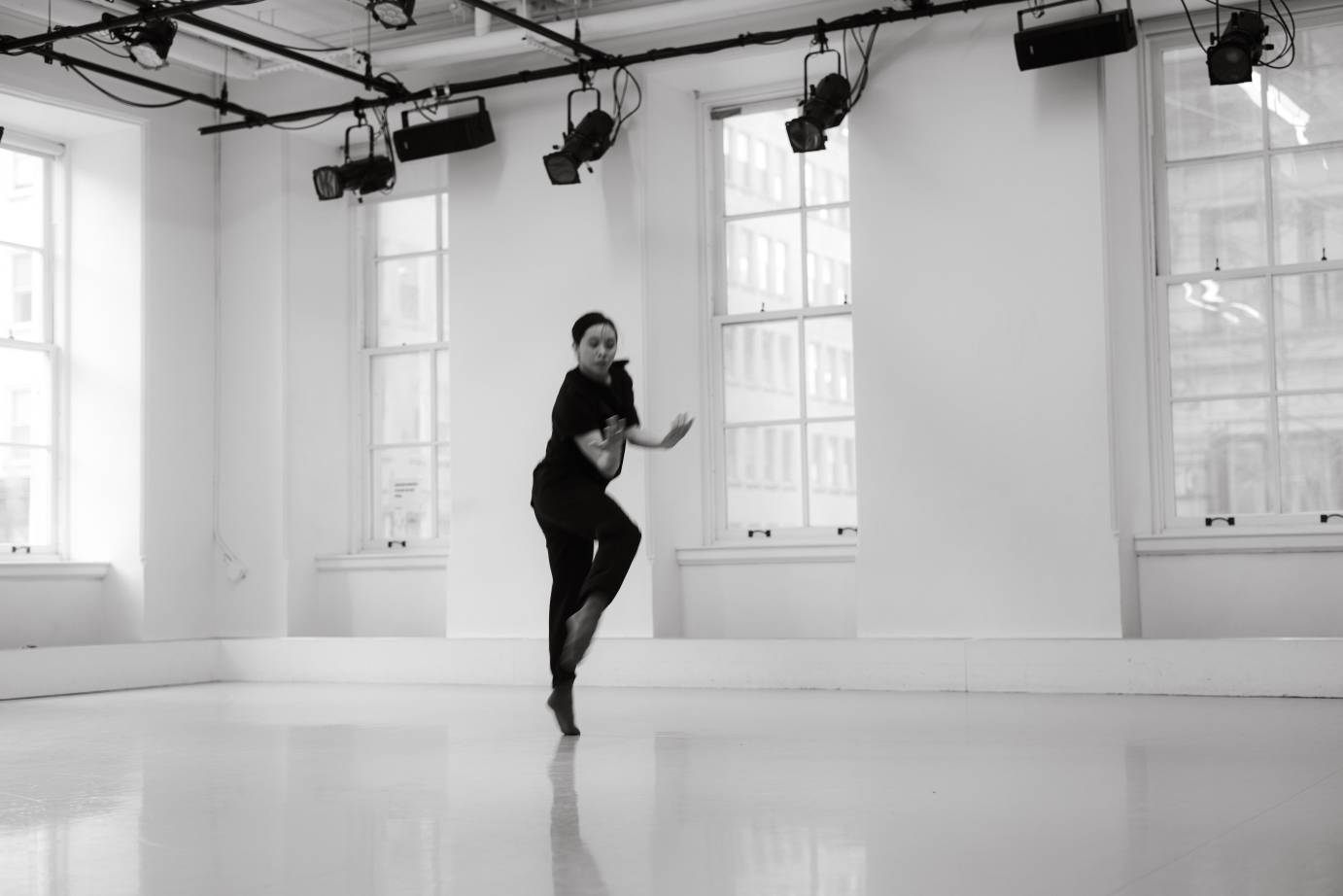
In general, I don't have that much chance to work with students and when I do, I find something that's really meaningful. I had a big project, for example, to make a whole program with students at the Centre national de la danse, in Paris. And it was one of the best experiences. The kids were 14, 15, 16, learning all this work and creating this huge program. We all were happy, especially me.
Gibney’s broader mission connects dance, community, and social justice. How do you see your work conversing with that context, even if indirectly?
Well, normally I would say that my work has not had any political nature to it, although I'm affected by things going on. But starting with the Russian invasion of Ukraine, that was just terribly upsetting to me. And I just happened to be at a concert where they were using a very famous Bach Cantata, beautiful piano music. And the text was talking about having strength to not give in to this situation, but to keep your strength to find a way out of it, you know?
That's something we can do – we have to have strength. And I feel that this time right now is just chaos; anywhere you look, even the planet. Plus this, plus that. Plus now Minneapolis. I can't believe where we are right now. In thinking about creating a new work, I'm definitely connecting with this moment in time.
Can you share a little bit about your process when you enter the studio to work on a new piece? Is it highly collaborative, or do you walk in with a vision and essentially start setting your vision on the dancers?
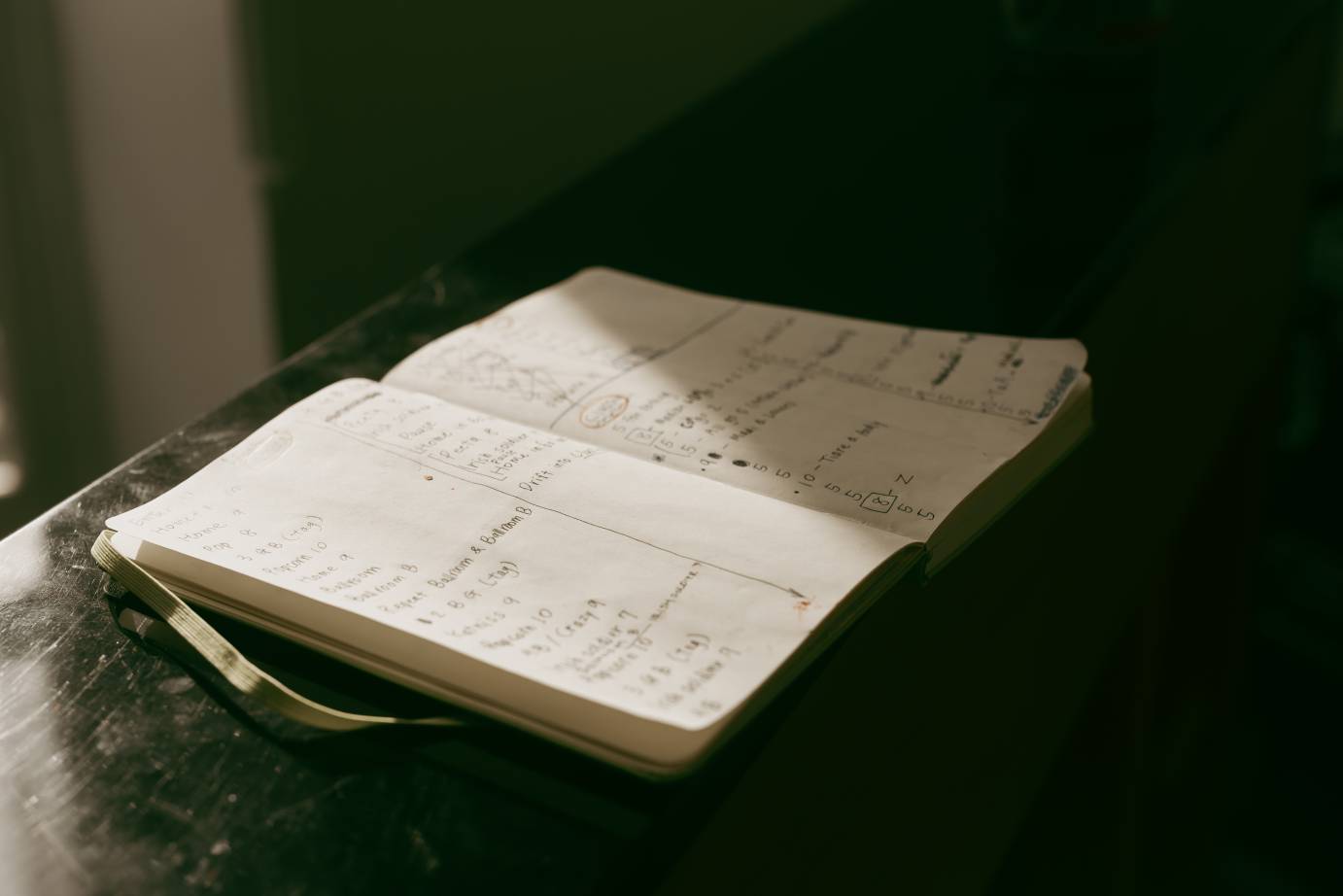
Well, I do a lot of preparation so that the music is all in my head. I get organized from beginning to end. I need to know the whole architecture of what's happening musically before I even begin.
I do start at the beginning, but I need to see the whole thing, how it's structured. And then I listen to the music casually; just dream, without trying to hang on to anything. Just listening, getting inside it. Then I improvise in the studio by myself, and try to find some movement material that may or may not work. And then, in my company anyway, the dancers start to arrive and I start to show them this and that and start putting it together and throwing this out and putting that back and developing the material with them. Nothing really happens until the dancers are there.
Do you always start with a piece of music?
Yes. Music. Well, at first I didn't have music, we just had counts. In the 70’s they were so called “silent works,” but they were very rhythmic and you could hear the pattern of footwork.
In terms of other collaborators outside of music, do those usually come in later? Or do you enter a creative process knowing that you want there to be a film component, for example?
When Philip and I first decided to make a piece, after Einstein on the Beach, we decided that we needed to involve a visual artist. Sol LeWitt was someone who is very much involved with the whole visual arts community; he's just a wonderful personality and was part of the whole scene downtown. So we went to meet him and to ask him to work with us and we went through quite a long process of figuring out what we wanted to do.
What he felt didn't make sense — and I absolutely agreed with him — was for him to design some kind of visual component that gets linked onto my visual component. He just said, that doesn't really interest me. The decor has to be the dancers. And so for Dance, we made this projection where they're simultaneously dancing in the film.
So the residency makes Gibney a home base for you, not just for the Gibney Company, but for your own dancers and your own individual independent projects. What does it mean at this point in your life to have an artistic home in New York City?
Well, it's very welcome. I do travel so much — I was just in Nice, working on an opera. Most of the work that I've been doing over the past 20 years has been outside of the country. So I'm very happy about having this base opportunity in New York. I'm delighted.
At this point in your career, do you think at all about your artistic legacy when you're making new work?
Well, I have a trust. It’s set up using the Merce Cunningham Trust as a model because that is beautifully set up. And actually we're also working with Beverly Emmons, who helped them set it up. And she's actually going to be working with me at Bard because we're reviving some of the pieces that she originally lit.
And it's beautiful, this idea that, if there's a demand for it, the work can go out. It's not the whole repertoire, you know, all the 50 works, but there are certain ones that, should there be a demand, we can handle it. Or they can handle it, if I'm no longer there, or no longer working, if I'm retired — which I'm not planning to do anytime soon.