


Related Features
THE DANCE ENTHUSIAST ASKS: Daniel Gwirtzman Celebrates Pride & Creativity at New York City Center Studios
THE DANCE ENTHUSIAST ASKS: Experimental Artist Ursula Eagly on the Performance Mix Festival's 40th Anniversary
THE DANCE ENTHUSIAST ASKS: Author Maureen Footer on Her New Book “Feel the Floor”

By Miranda Stück
View Profile |
More From This Author
Published on May 21, 2026
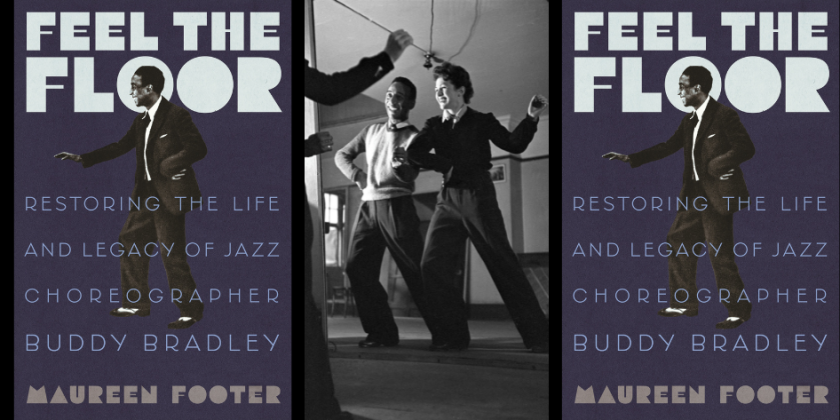
Buddy Bradley and Patricia Burke. Photo: Kurt Hutton
Restoring the Life and Legacy of Jazz Choreographer Buddy Bradley
Maureen Footer, author of George Stacey and the Creation of American Chic, as well as Dior and His Decorators: Victor Grandpierre, Georges Geffroy, and the New York, debuts her lastest book this month.
Feel the Floor: Restoring the Life and Legacy of Jazz Choreographer Buddy Bradley encapsulates the life and artistic expression of Bradley, an influential, yet not well-known, jazz dancer and choreographer whose career blossomed during the Harlem Renaissance.
Miranda Stück for The Dance Enthusiast: What sparked your curiosity and determination to write about Buddy Bradley?
Maureen Footer: I was thinking about writing about dance for a little while. My last books were on the decorative arts-fashion. Dance is another part of my world, and I began exploring that. I was thinking a lot about how African dance, and by extent, African-American dance had merged in so many parts of dance forms, but I was looking for an individual to animate the story. I didn't want to write a theory book or a textbook.
I believe in using an individual as a lens for a point in time, which is what I've done with all my other biographies. When I heard about Buddy Bradley, my interest was peaked because the person who mentioned him made this off-hand comment about the debt that George Balanchine owes Bradley. I thought, I must be the one person who's never heard of him. It turns out, nobody’s heard of Bradley. I went home and looked through all my books to see if there's any mention of his name; And there really wasn't.
When you realized his coverage in most dance archives was slim to none, were you surprised? Did it inspire you to pursue the story further?
Yes, I was. There was only one book that had Bradley’s name in it, which was Mr. B by Jennifer Homans; It's a serious, 800-page tome. Within those 800 pages, there were six words dedicated to Buddy Bradley. Then I went to the Jerome Robbins Dance Division at the New York Public Library. It's the largest archive on dance. They didn't have a single file on Bradley and I kept pushing his name in Google searches. There was one foundational work on Bradley I found, which was about eight pages in Jazz Dance by Marshall Stearns, which gave me a few road markers and framework to put some more stories together. I knew at the time I was going to be inhabiting another world. Reading all the old yellowed, brittle theater programs falling apart and seeing ads of what people were wearing at the time gave me a sense of the atmosphere in theater at the time. The early stages of the research process were fun.
How long was your entire research process?
It was about five years of research. In addition to the interviewing process, I had to find old, archived theater programs in London, find the names of dancers, see if there’s an obituary, and if there wasn’t I would look for them. If I couldn’t find them, I’d hire private investigators to find them, because I knew I couldn’t linger. It was five intense years of living and breathing Buddy Bradley, and probably some of the most interesting years of my life.
How many destinations did you travel to during the research process for Feel the Floor?
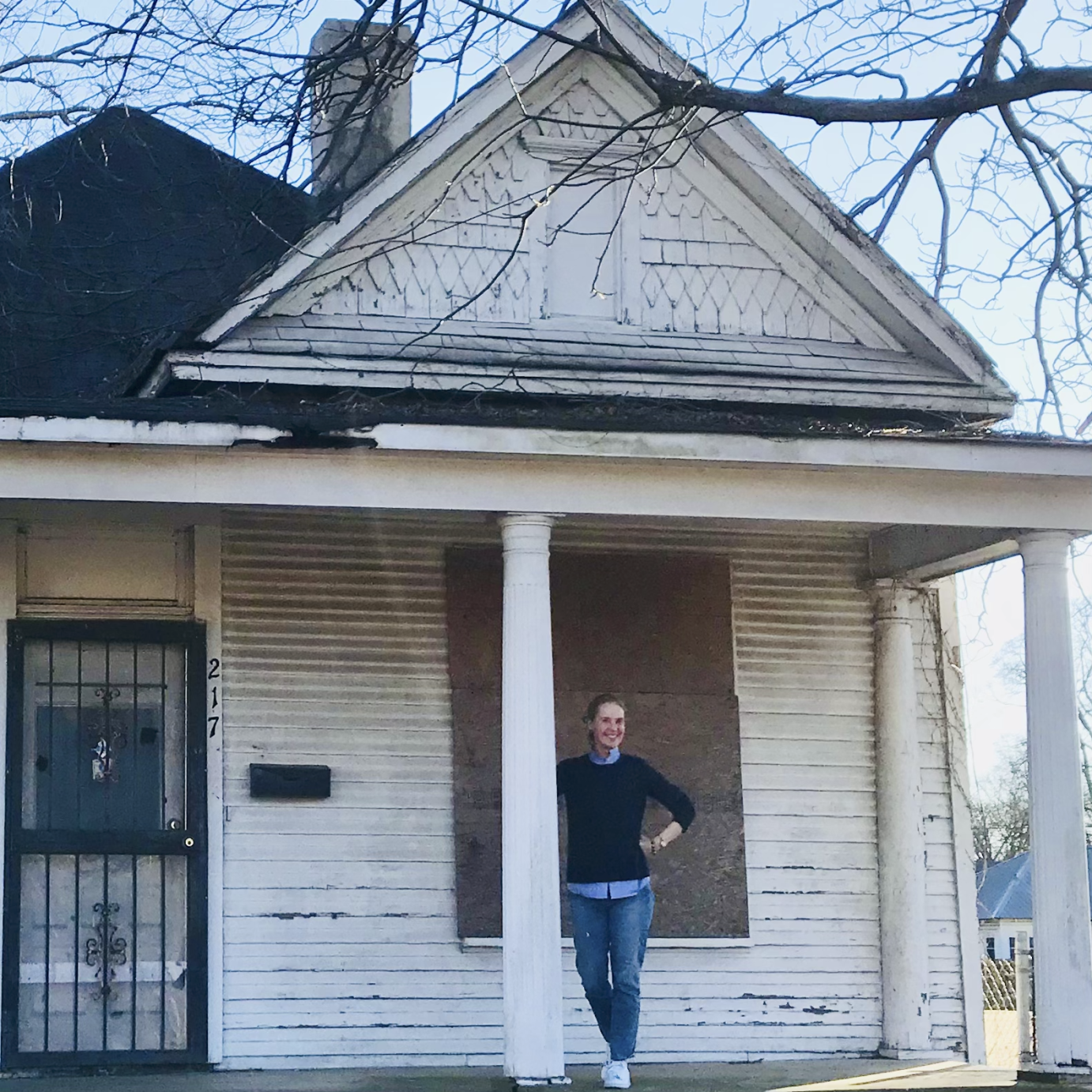
I think my conversations took me to three continents, and I reviewed over about 100 years of research. Flying to Birmingham was useful because that's where Bradley grew up. In Southern Alabama, I wanted to walk through all the plantation lands that Bradley's grandfather had been. What was important to me, too, was getting ancestral research, so I was getting in a car and driving three hours south of Birmingham into somewhat forgotten and beautiful parts of our country. In London, I went into the theater archives, including the Victoria and Albert Museum among other various places. Most interviews with the theater people and dancers who knew Bradley were in coastal towns. I was in homes and places seeing this whole other slice of life and meeting people with lives lived, 50 years ahead of mine, with entirely different circumstances. The whole time, I was feeling the clock ticking.

How did in-person conversations start to bring his livelihood to life as you were connecting with the people who knew him?
There was an acute sense of timing, because the average age of people still alive who could tell me about Bradley was about 92 years old. I knew that if I didn’t catch those memories or people while they were still in existence, the story was really going to be lost. I can figure out the highlights of his career and dates he did shows, but what I really didn’t know is who Bradley was as a man and teacher, and his presence. That’s why I really needed to get to those people. I realized how fragile and short the time is. I realized there’s already four people who have died since I’ve interviewed them., so I’m constantly grateful that I was able to get there when I did, and regret that I didn’t do it 20 years earlier.
What was your interpretation of Bradley’s presence in dance rooms after your research and conversations?
Bringing the stories of people who knew Bradley at the time helped me put his character into context; he had this defensive, cool elegance that didn’t let anything really penetrate or upset him. He had a carefully crafted equilibrium, because every day was a struggle. He was always the different person in the room or on the creative team; he worked with guys who went to Oxford, and he didn’t even get to finish a high school education as much as he wanted to. I wanted to bring all those characteristics out in the book and his struggles without romanticizing his story; I wanted to stay true to the facts.
During the Harlem Renaissance, Black choreography and creation was often seen on white stages; can you explain some of the context for what was going on in this time period?
During this time there was a real interest in African-American art, jazz and jazz dances were coming up with the great migration. There’s a theme, rather issue, of properly crediting and naming names, which raises an important part of Bradley’s story from beginning to end. You couldn’t escape this issue as an African-American, but you can see that the structure of race, how it brings the Harlem Renaissance up and how it dovetails with World War I, creates interest in African American culture.
How has Bradley shaped American jazz dance?
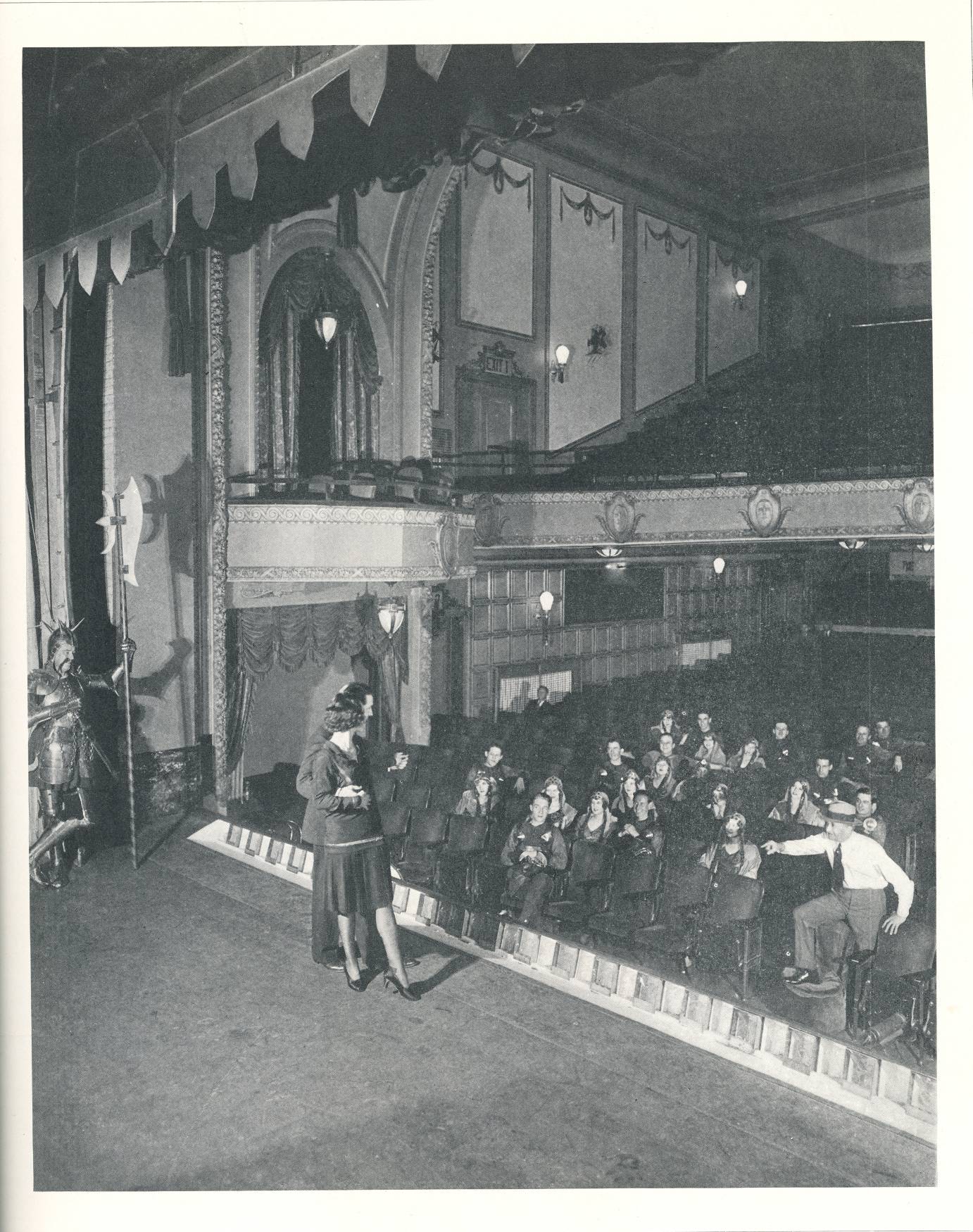
Bradley was a connector between old and new dance. He was bringing African-American dance forms, jazz, and tap moves to new stages and visibility. He was revolutionizing theatrical dance. He was the trailblazer for bringing jazz to major choreographers such as Frederick Ashton and George Balanchine, so we see the results of his work, but we didn’t know who he was. He moved cultural framework, placing Black dance on white stages and transforming dance on two sides of the ocean with jazz.
How would you describe Buddy Bradley's movement to someone less familiar with the various forms of dance?
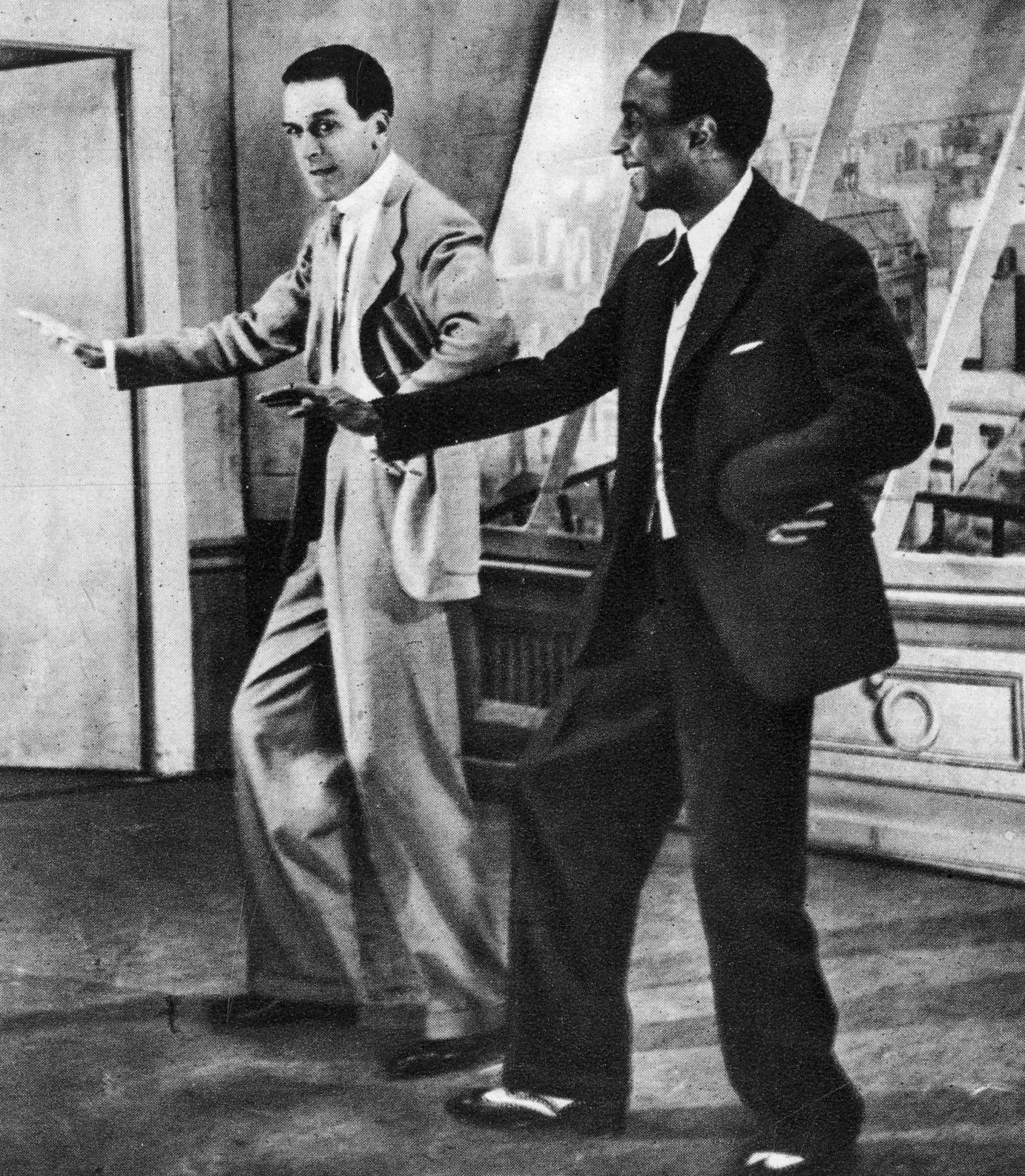
There’s such a broad variety of movement when you watch Bradley’s work, but I think what you’ll see is that he’s prioritizing dance over mere steps or vocabulary. He understands that a dance has a beginning, middle, and an end and isn’t just step after step. When he’s composing something, there’s fluidity; it’s a language. You can learn the grammar and vocabulary, but if you don’t understand the accents and rhythm, you’re not going to be speaking the language. When you watch his films, you’re seeing off center poses, jazz hands, shoulder shimmies, deep bent knees, flexed limbs, and polyrhythms. There’s continual motion happening.
Was the process of discovering more of Bradley’s life ever emotional for you?
There were times I found it disturbing to face our collective history when you see it from a different perspective. There were also times it was elating to hear some of the incredibly insightful details about Bradley that turned him from text into a three-dimensional person. It was an extremely emotional process along the way.
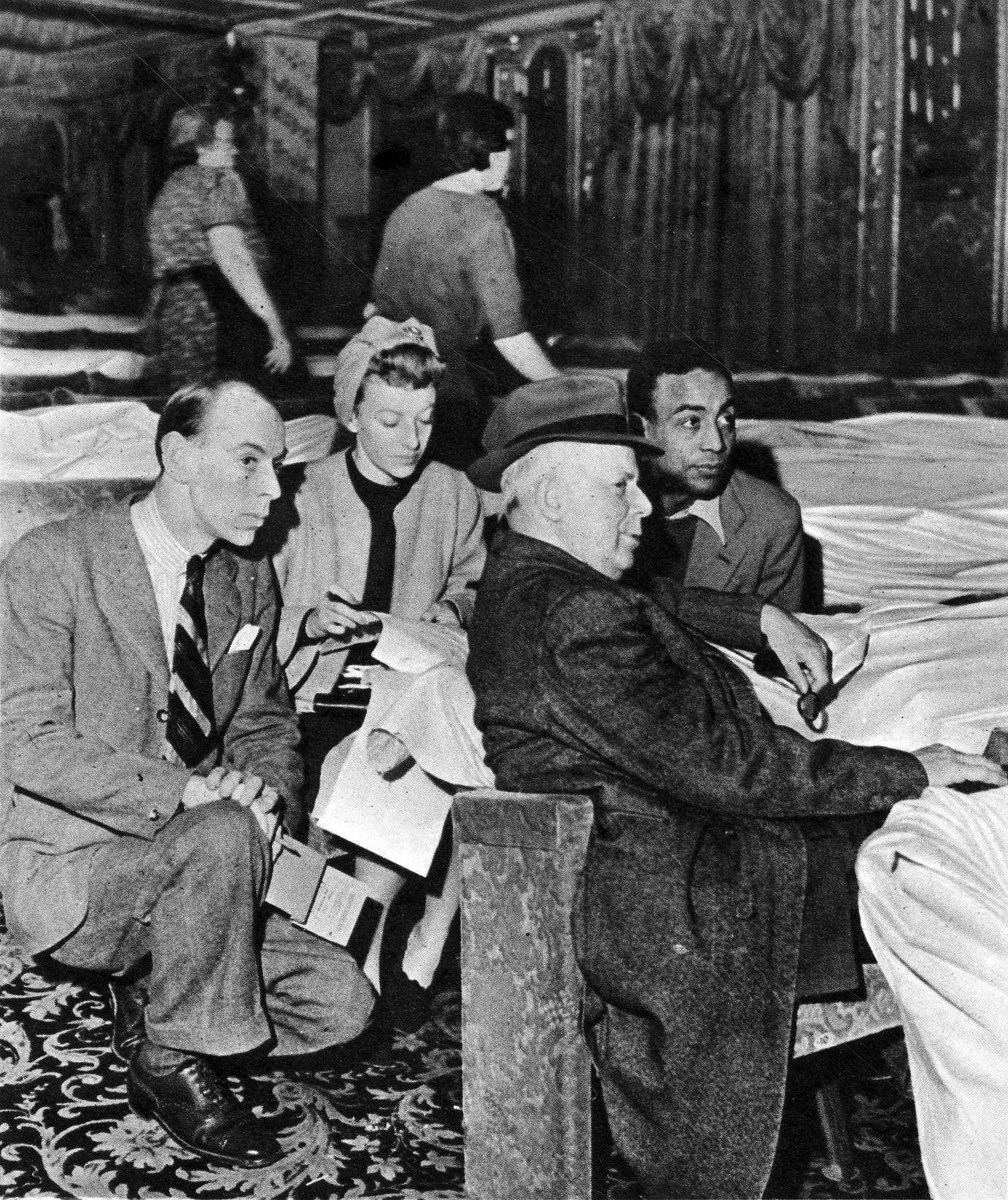
Feel the Floor © Illustrated London News Ltd. Photo: Mary Evans
As the author, is there something specific that you'd like the reader to take away after they've read Buddy Bradley's story?
Yes, I think there’s two things. One is, I think the motif for Bradley's life and his work is that he wanted to be an individual. He resisted the kind of restrictions that he realized the South was going to put on him from a very young age. He traveled North as a 13-year-old and came to Harlem when he was about 15 knowing nobody with only change in his pocket. There was a real tenacity to become who he thought he could be. Also, he’s very resistant while maintaining elegance in a humble way. In his dance and work, we see that he doesn’t want to limit himself to being an African-American choreographer. Through his hardships, Bradley always kept this gracious, kind, open spirit, embracing life when he could’ve easily turned bitter from the hardships and racism he endured. He was open to new experiences and experiments and made dance much more expressive than it had ever been before. People told me multiple times that the way he moved was just incredible. It was like a glide, not a walk.
The other important thing is that his story is important on so many levels. It’s also a bigger story about an African American family which traces back to before the Civil War, and it’s important we hear these stories to understand our history better. When you learn about history from a human perspective, it truly adds depth to the story. My real mission was to bring Bradley, whose name was forgotten, back into the light and to put his name back into the conversation of dance. And I hope this book accomplishes that.