


Related Features
THE DANCE ENTHUSIAST ASKS: Elodie Dufroux, CUNY Dance Initiative Recipient, on the Premiere of “Un-Spoken”
DANCE NEWS: CUNY Dance Initiative Announces Fall 2024 Master Classes and Workshops

THE DANCE ENTHUSIAST ASKS: Cameron McKinney on Kizuna Dance, His Global Style, and the CUNY Dance Initiative

By Theo Boguszewski
View Profile |
More From This Author
Published on April 28, 2026
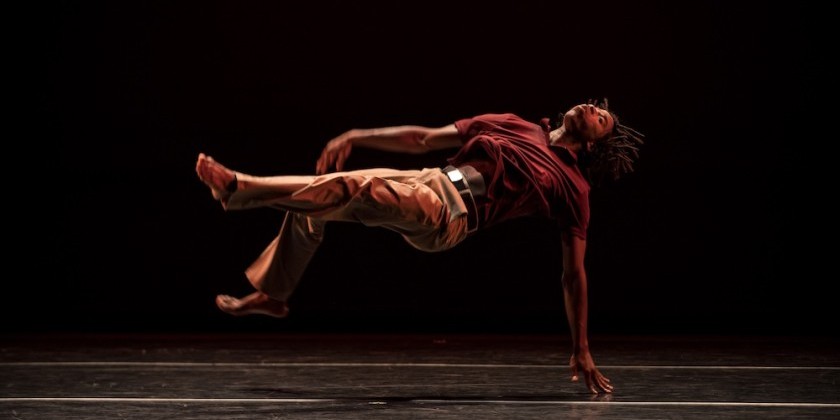
Cameron McKinney. Photo: Joseph Lamb
Catch Kizuna Dance at the Gerald Lynch Theater for One Night Only on May 2, 2026
As a teenager, choreographer Cameron McKinney stumbled into the profound world of Japanese culture, a discovery that changed his life and has guided his career ever since. Blending street dance and contemporary floorwork with a deep cross-cultural exploration, his Kizuna Dance is one of New York City’s most distinctive movement companies. Ahead of the company’s upcoming performance at the Gerald W. Lynch Theater at John Jay College — presented by the CUNY Dance Initiative — The Dance Enthusiast’s Theo Boguszewski chats with McKinney about his artistic journey and his unique movement style.
Kizuna Dance 2026 NYC Season
May 2, 2026 at 7PM
Gerald Lynch Theater, West 59th Street, NYC
Tickets: CLICK HERE
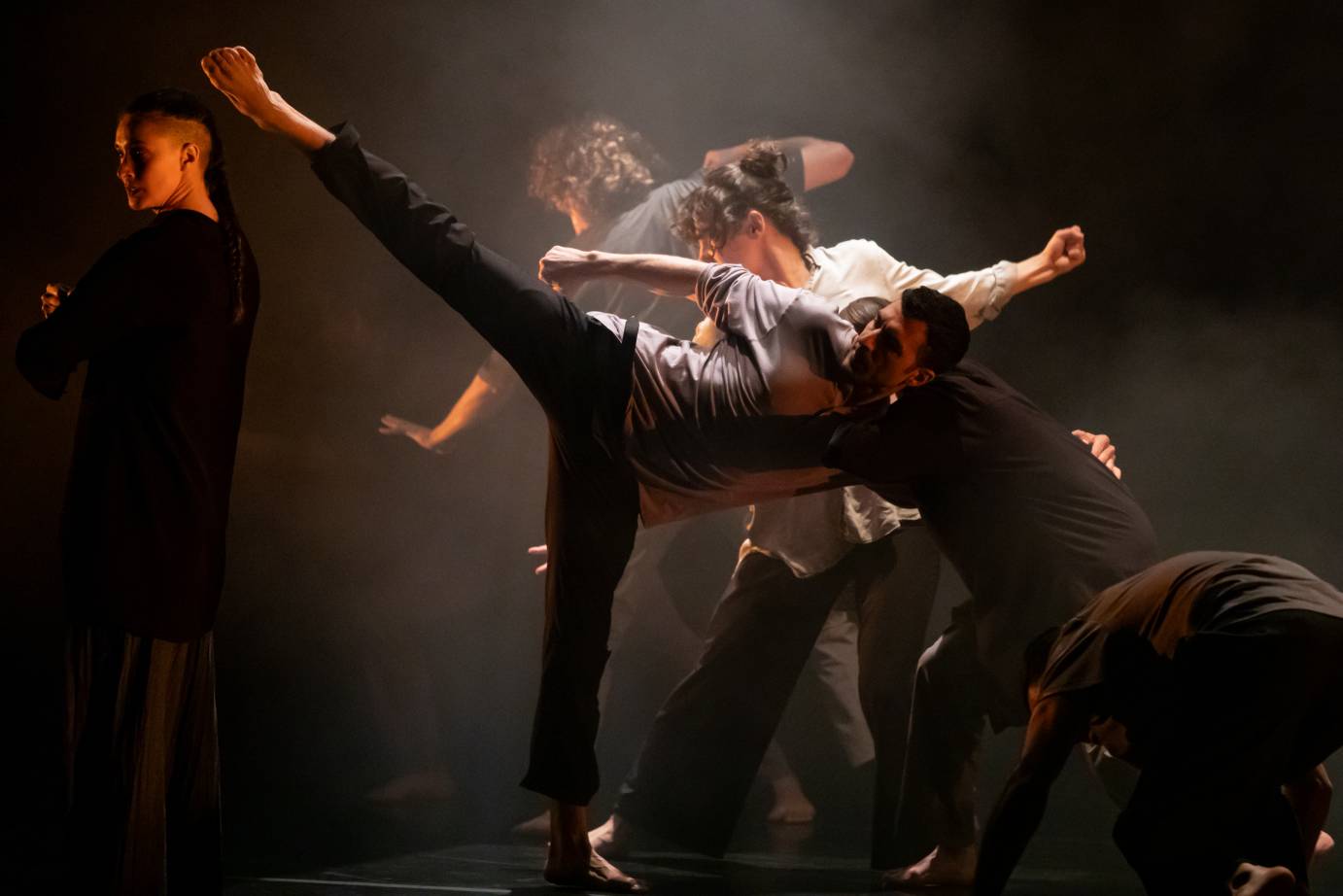
Kizuna is known for blending street dance with contemporary floor work. How did that hybrid language develop?
The language and themes of the company developed from my own personal life journey of discovering Japanese culture when I was 13. And that became my whole life-guiding force, essentially.
It really came about through music. I stumbled into the music of Hikaru Utada, who is one of the largest J-pop artists. I was like, “what is this? This is awesome.” I grew up in Memphis at a time when access to the internet was much more limited. So I went to the library and I learned basic Japanese words.
As soon as I stumbled into Japanese culture, I oriented my whole life around further mastery of that. My thesis in college was about examining the potential intersections of the Japanese form of Butoh with street dance forms and trying to connect them from both a movement and sociopolitical perspective. And so that's where this whole journey began for me.
When I moved to New York and started the company, I was working through the very early stages of this Nagare technique that I practice now, which is the blend of street dance styles, Capoeira, and floor work. I wanted to continue the research of both of those things that I like doing the most; examining the different parts of the Japanese language and culture and then trying to combine that with my own experiences as a Black American.
As the company has developed over the years, I believe that mission and goal have become clearer and clearer, especially through the various kinds of fellowships that we've done with artists in Japan.
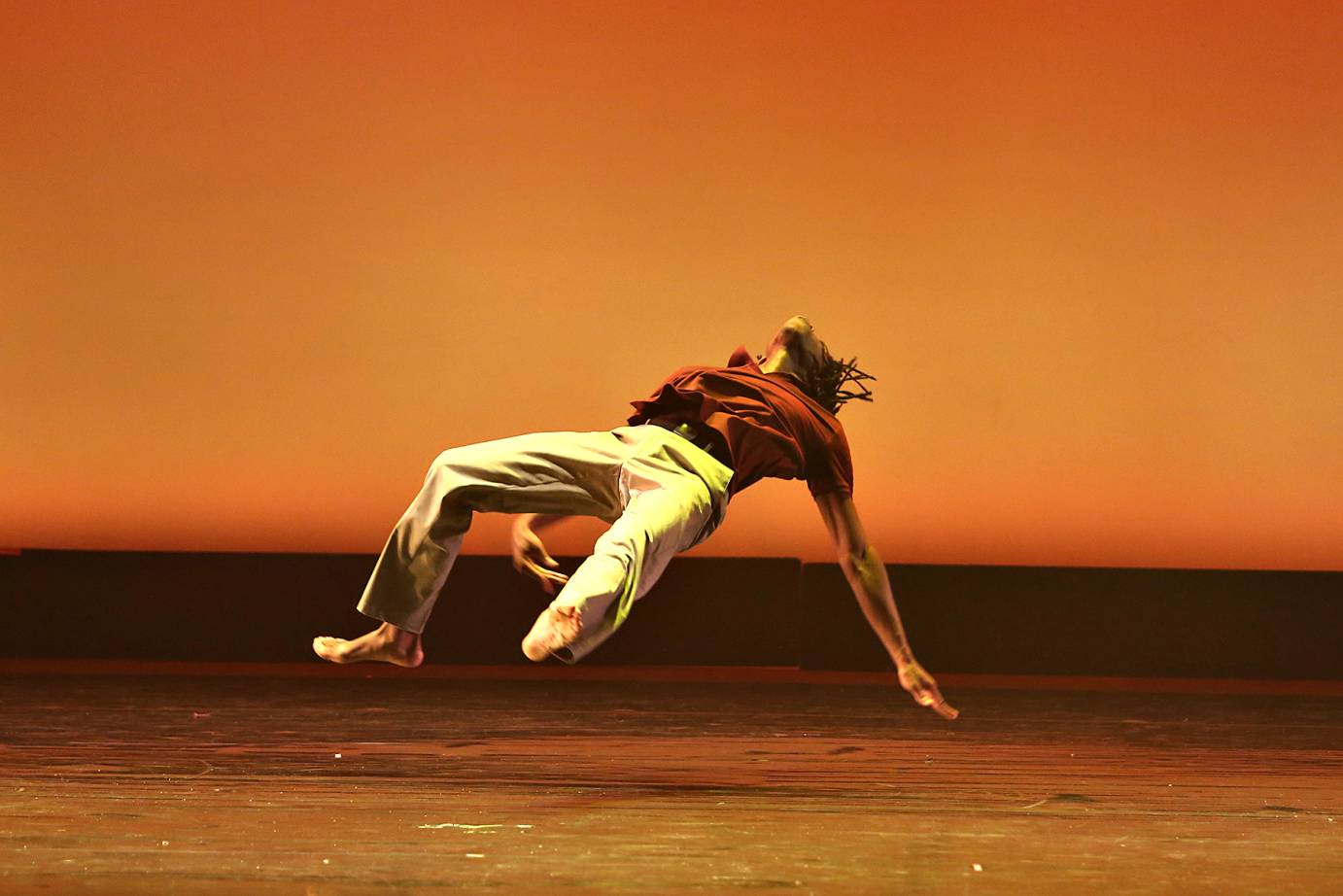
Now that you are working with the CUNY Dance Initiative, how does the residency impact your creative process?
I've been very fortunate to have a long history with the CUNY Dance Initiative. We've been in residence at a couple of different places across the company's time. It's very rare to have that kind of long form relationship. The CUNY Dance Initiative has been there at a lot of pivotal moments — they helped present our 10th anniversary season, which was a very big deal for us.
And to have that experience and then be invited back… It might sound dumb to say, but it makes me feel like an actual artist. People saw my work, they saw my work ethic and my team, and they said, “We want to support that again.”
Where do you see meaningful opportunities for emerging artists in New York City, and where are the challenges in the ecosystem?
I’ve been fortunate across my time here to be involved in a lot of different residencies and fellowships. But what I’ve found in New York City is that some of the residency opportunities have disappeared. The CUNY Dance Initiative is really the top opportunity that is offered to artists at all ends of the spectrum.
The jump from “emerging” – where I was for many years – into mid-career level, where I am now – there isn’t really a clear ladder. There are a lot of avenues for the “emerging” artist. But then once you're past that, you're kind of lost in the sauce.
And so to that end, I think the CUNY Dance Initiative is one of the few residencies that allows you to come into it at whatever stage you are at and also offers you a stepping stone to whatever that next stage will be. And so for us, that’s performing at these larger venues, to do this show in Manhattan in this beautiful theater with a professional crew and to really have the space to invite everyone. It’s important for me to have the space to actually do my movement.
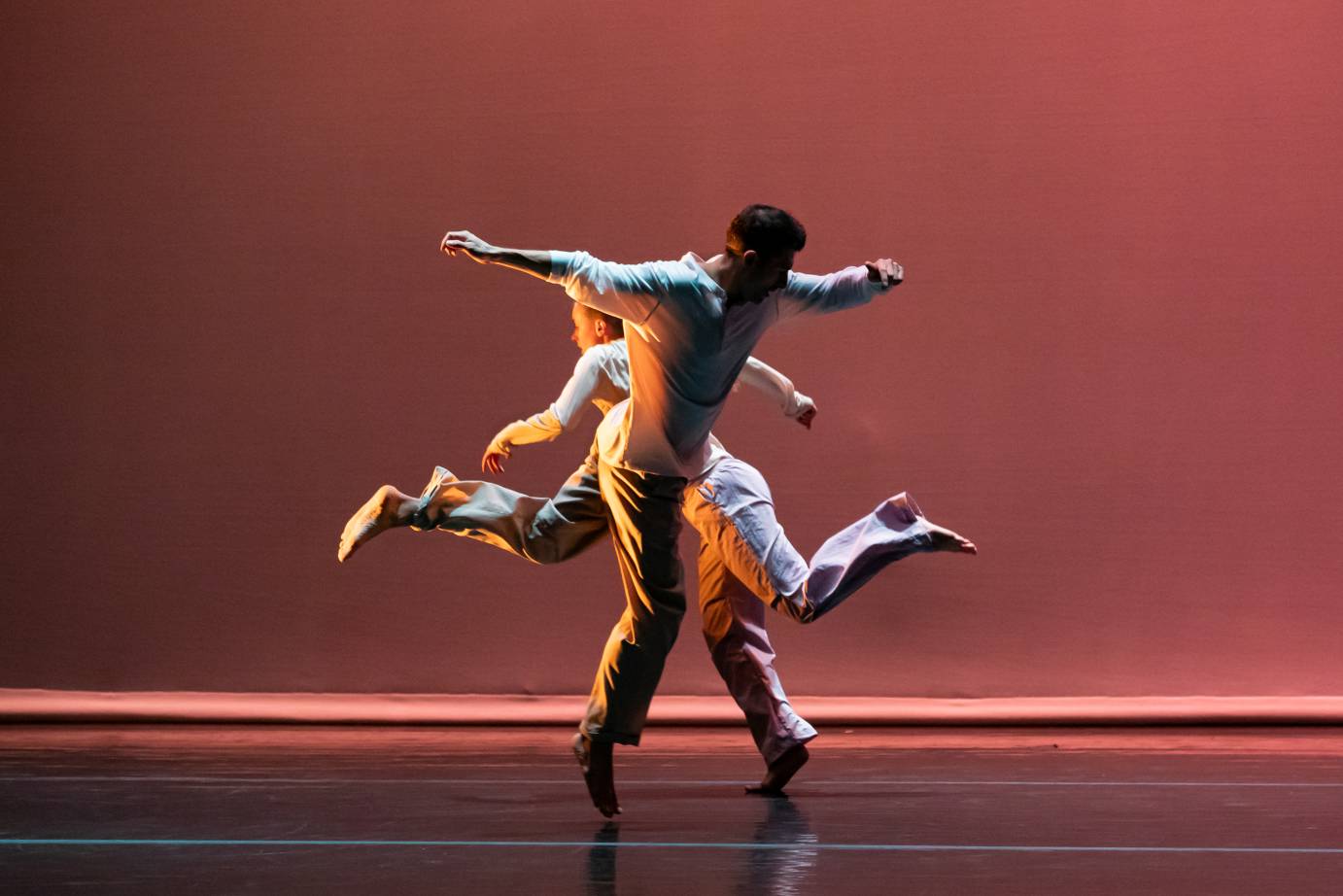
Kizuna has worked internationally. How do audiences respond to your work in different cultural contexts?
I teach internationally all the time. This year, I'm about to go to Canada, then I’m teaching at B12 in Berlin, and going to Belgium and Italy and some other places. And just this year, the company was in Japan working on another fellowship.
As a teacher, what I have found is a real yearning for the mix of things that I do in my classes. Every place I have been to has said, “there's nothing like this here.” You can find the individual parts, like, there's a house scene, there's a floor routine. But it seems to me that very few people are combining it in the same way as I do.
The company has toured to a lot of different places across the world. And I think that people have connected first to the physicality of the work, and then they learn about the themes around it. My goal behind it is to actually pique their interest in Japanese culture, and hopefully make it feel like it's not as disparate or as separated from their own worldview and experiences.
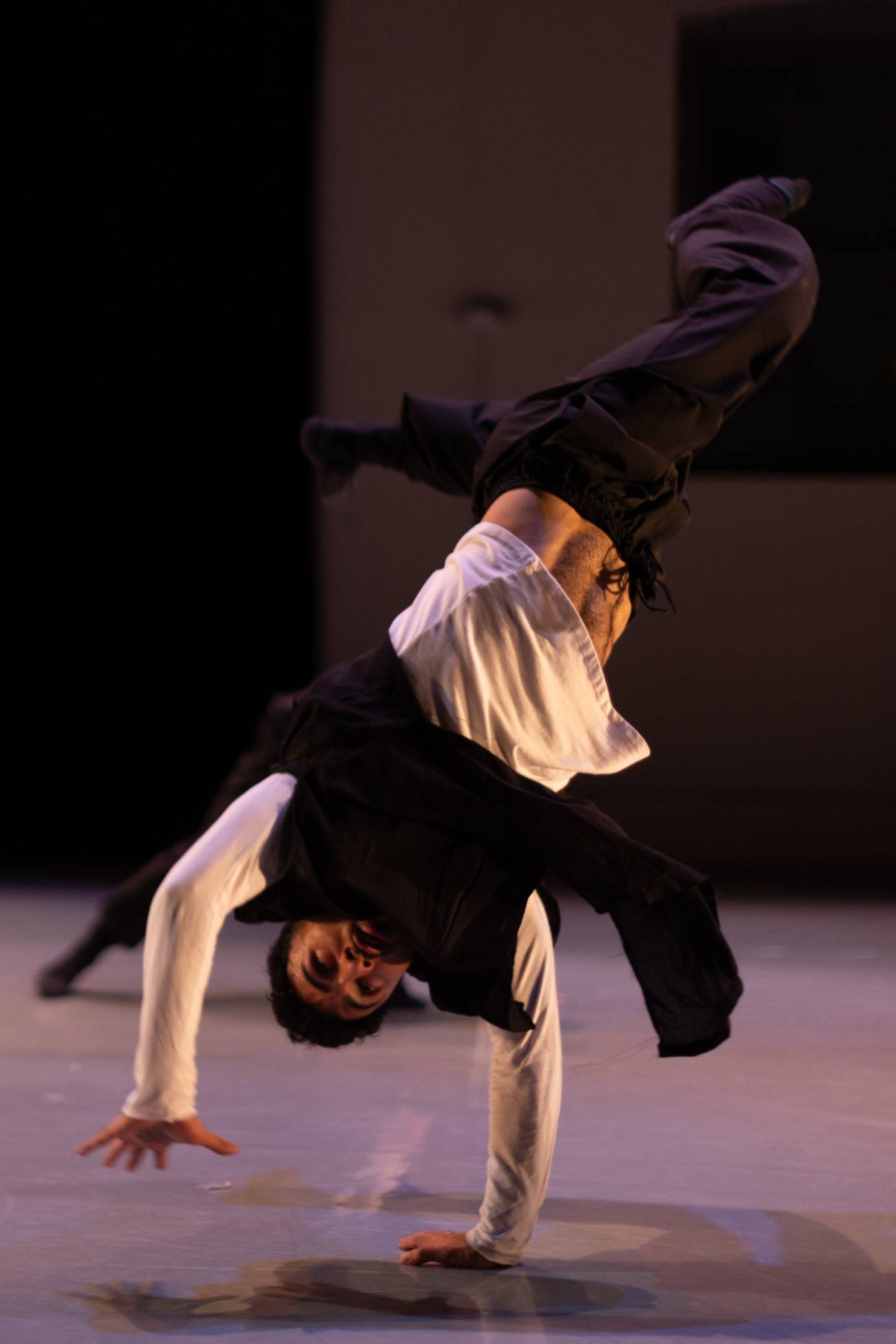
Do you think that traditional dance training models, both in the US and abroad, can introduce more of this cross cultural connection?
Well, it’s interesting — when I first got to NYC and was auditioning a lot, the feedback I would often get was that I didn't have that technique that I needed. And that technique was ballet. But now we've come to a different place in our cultural zeitgeist, where there is not just the mandatory inclusion of these other cultural dance forms, but there's also a hunger for them. Because I think as a culture we're more globalized. And the young dancers of today just want it all, as opposed to one style.
I've been to a couple of colleges recently that have started to require different dance forms outside of ballet and modern, like a mandatory semester of hip hop. I think starting to open up the idea of what a dancer's foundation can be is a next step. For example, if your foundation is Capoeira, and through Capoeira you can be introduced to ballet, modern, to whatever else.
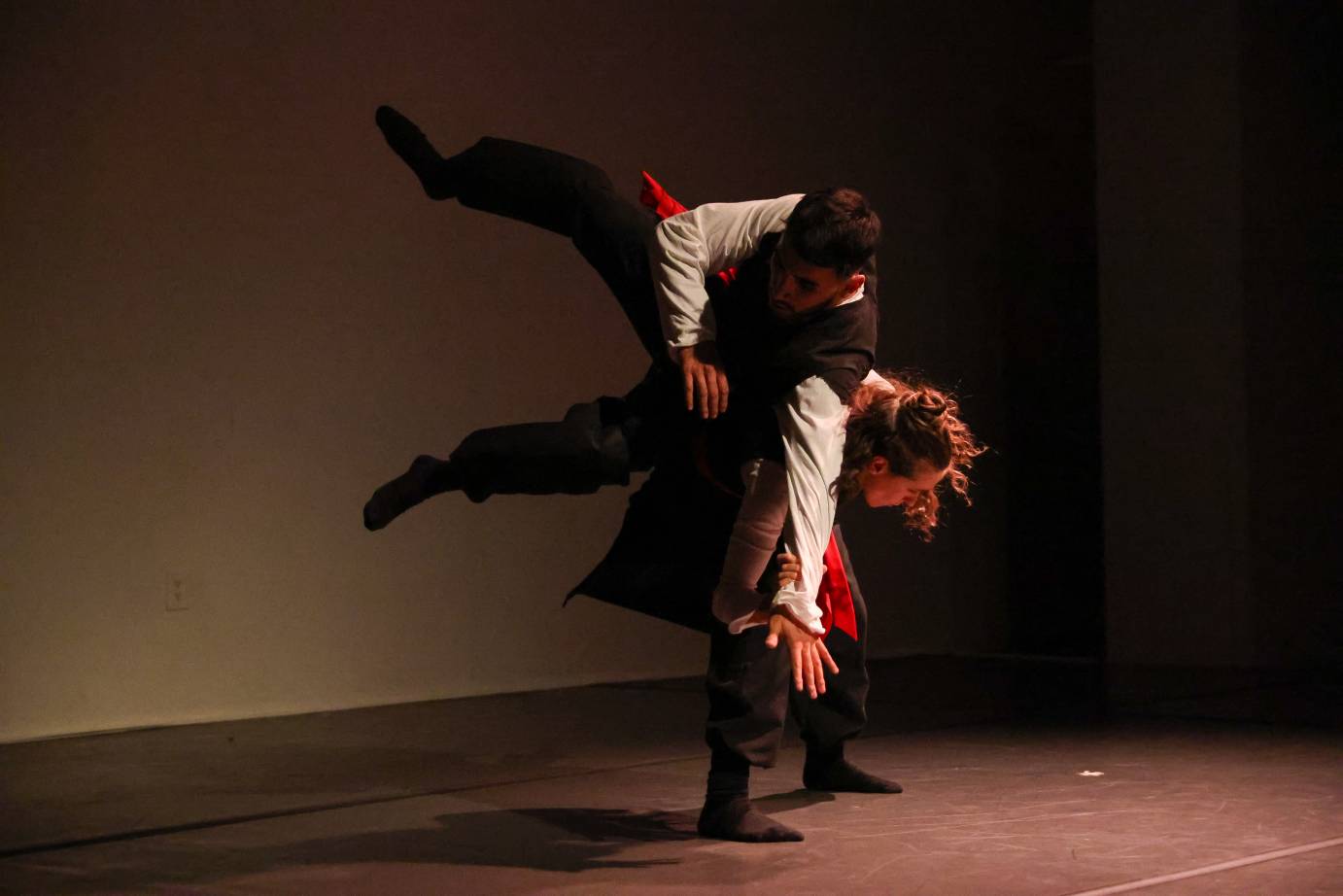
Your work Bread and Circus explores imagination and perception. What drew you to the visual worlds of Oscar Oiwa and Tomokazu Matsuyama?
Bread and Circus is an evening length work that we just premiered last November, where we examine the works of three different Japanese artists. We look at the film work of Seijun Suzuki — that’s the first half of the work, which we won't be doing in May. In the second half of the work, we look at the visual art of Oscar Oiwa and Tomokazu Matsuyama. If you haven't seen the works of Matsuyama before, I highly recommend it. He actually has a mural in Lower Manhattan.
I went to Oscar Oiwa's installations when I was traveling in Japan, and I have just been following him ever since. His personal life history connects a lot to my own journey through dance and movement. I wanted to see if I could extract some choreographic prompts from the idea of making a really surreal world. I would set a timer and say, “we're going to just throw stuff out for 30 minutes”. And then I’d say, “great, that's what it is. Next section.” And kept going that way. I tried to access this idea of things unfurling in a dream. That's where we started. Of course, I would go back and edit a couple things here and there. But the inspiration was just to try to drive out a different way of building material.
My dancers come from street dance, from breaking, from contemporary, all different backgrounds. And so they're adding their own natural movement styles to what I’m creating, and it ends up becoming this dreamlike sensation where they're switching in between styles, they're connecting, they're being disconnected. We have a recording artist who is reading through some excerpts from Andre Breton's Surrealism Manifesto, in addition to poem lyrics that I wrote. It gives it an Alice in Wonderland feeling, like being in this alternate world.
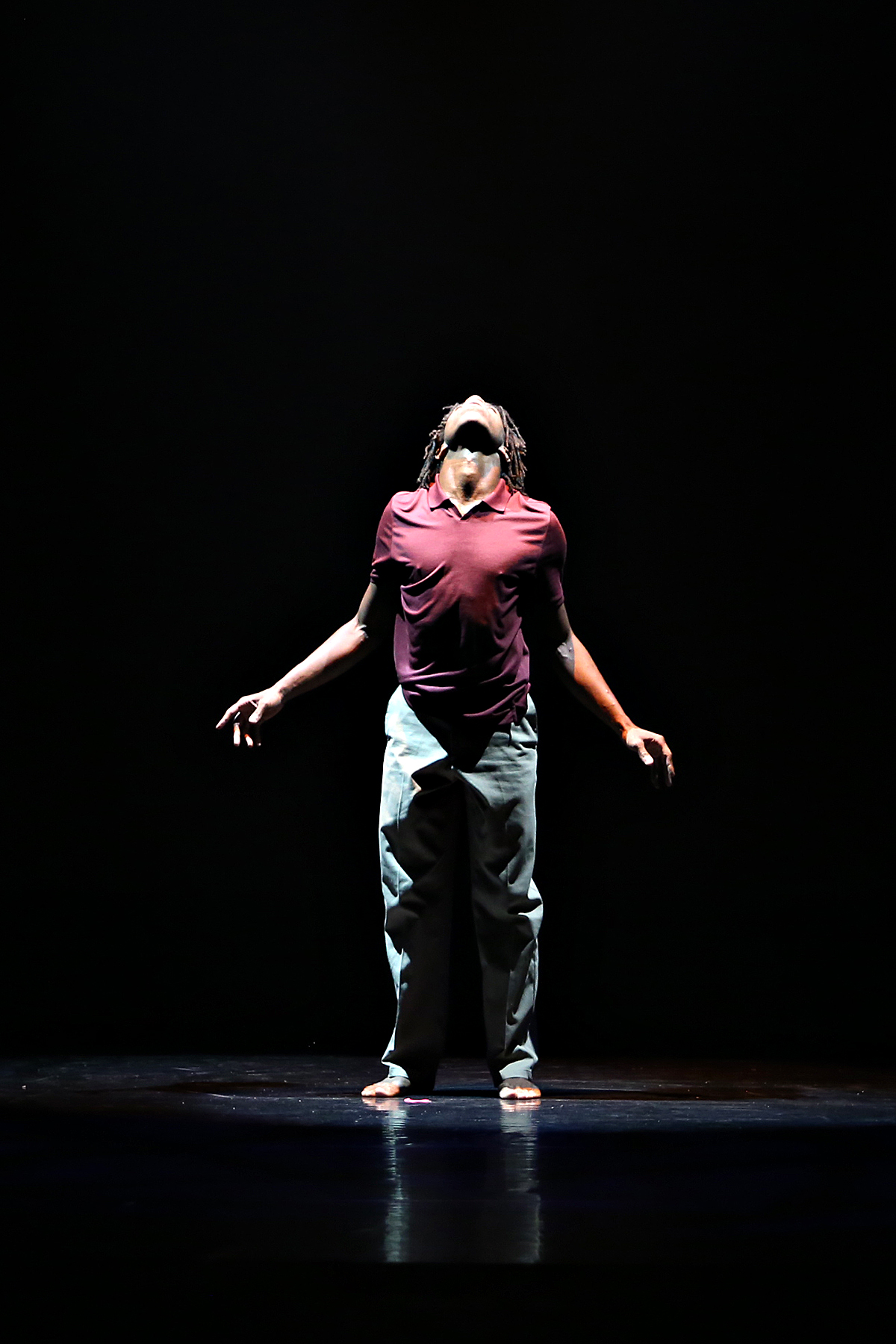
E.X.P.L.O.D.E responds to AKIRA — what about that film continues to resonate with you today?
That’s one of my top films of all time. I made this solo in 2018 for the 30th anniversary of it. One of the main characters in AKIRA is someone who is picked on, who feels forgotten. He acquires superhuman powers, and instead of using them for good, he uses them for revenge, to mark his place in the world. And it winds up destroying him and everything around him. At the time, in 2018, I was feeling that same kind of loneliness – really feeling adrift, flung, lost. And I was remembering this film and thinking, “when this downtrodden feeling goes away, how am I going to turn this into a positive thing?”
The reason why I called it E.X.P.L.O.D.E is there's a trailer for the movie that says that Neo-Tokyo is about to explode. I wanted to associate that with the way that I create material for myself and for the company. There's a way of working that I call “meditative exhaustion,” which is working to the point of physical breakdown. And whatever happens after that point of pure exhaustion, is the honest representation of where you are; you shed the facade of the character that you exist as just to get through the day.
And so the work starts in that slow space. Builds, builds, builds. And I get to that point of, “how am I going to make it in the last five minutes?” And then the ending section I always leave open to improvisation, to be a representation of where my body and my spirit is at that time.
SAFE HARBOR emerged from a residency in Japan — how did the cultural exchange shape the movement language and creative process?
Toru Shimazaki, who's the Japanese choreographer that we worked with, is very much in the contemporary ballet scene. And I am not ballet trained in any way. Our residency started in 2019 when I first got this fellowship. What we found as we were crossing styles was that he, as a Japanese artist, is engaging in this more Western aesthetic. And since a lot of my early choreographic aesthetics were derived from my study of Butoh throughout college, I was tapping into a Japanese aesthetic. And so when that overlapped, what we found was that creatively, the physical origins of things and the external representation of them was very different. When we brought our movements together, we found they fit perfectly.
Is there anything in particular you're hoping audiences take away with them after the performance?
Over the past couple of years, as I've developed the company's mission and I've had the experiences of working in Japan and doing the Asian Cultural Council Fellowship. I was just recently named a United States - Japan Bridging Foundation delegate for the next couple of years.
What I'm hoping the audiences will take away is that one of the ways that we can be more connected is through the performing arts. I want to be in conversation with other emerging leaders about how the United States and Japan can be more connected; as performing artists we can lead the way for that kind of cultural ambassadorship that we are presenting here.
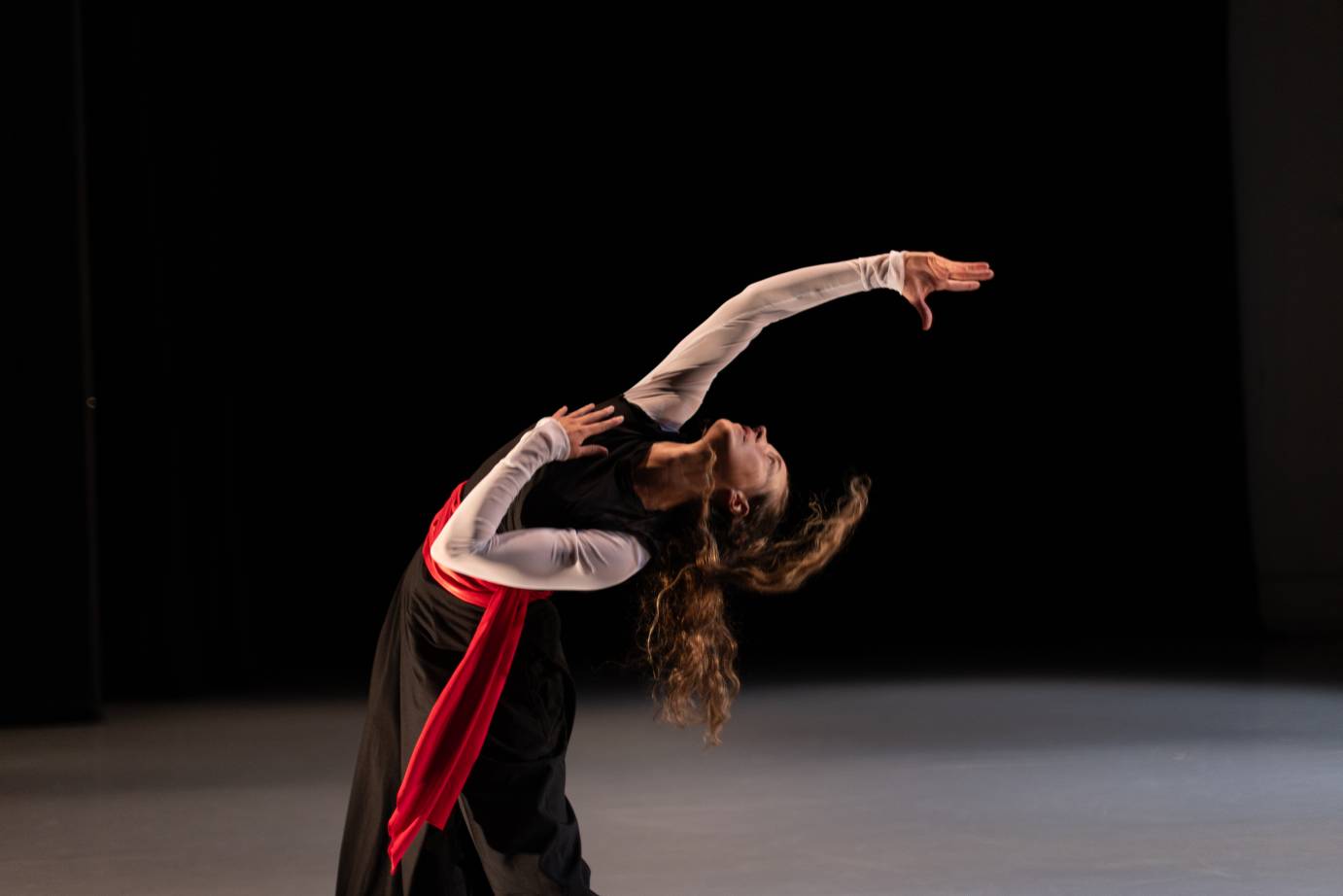
What's next for you in Kizuna Dance? What are you looking forward to?
So the work that we did in 2024, Father Absence I Mother Ma, also with the CUNY Dance Initiative, we're looking to bring that on tour over the next couple of years. And then as I mentioned, I'll be traveling throughout the country and also abroad all summer, teaching in different places. I’m very excited about B12 in particular. And we have a new evening length cooking up as well and aiming for a fall ‘27 premiere of that.
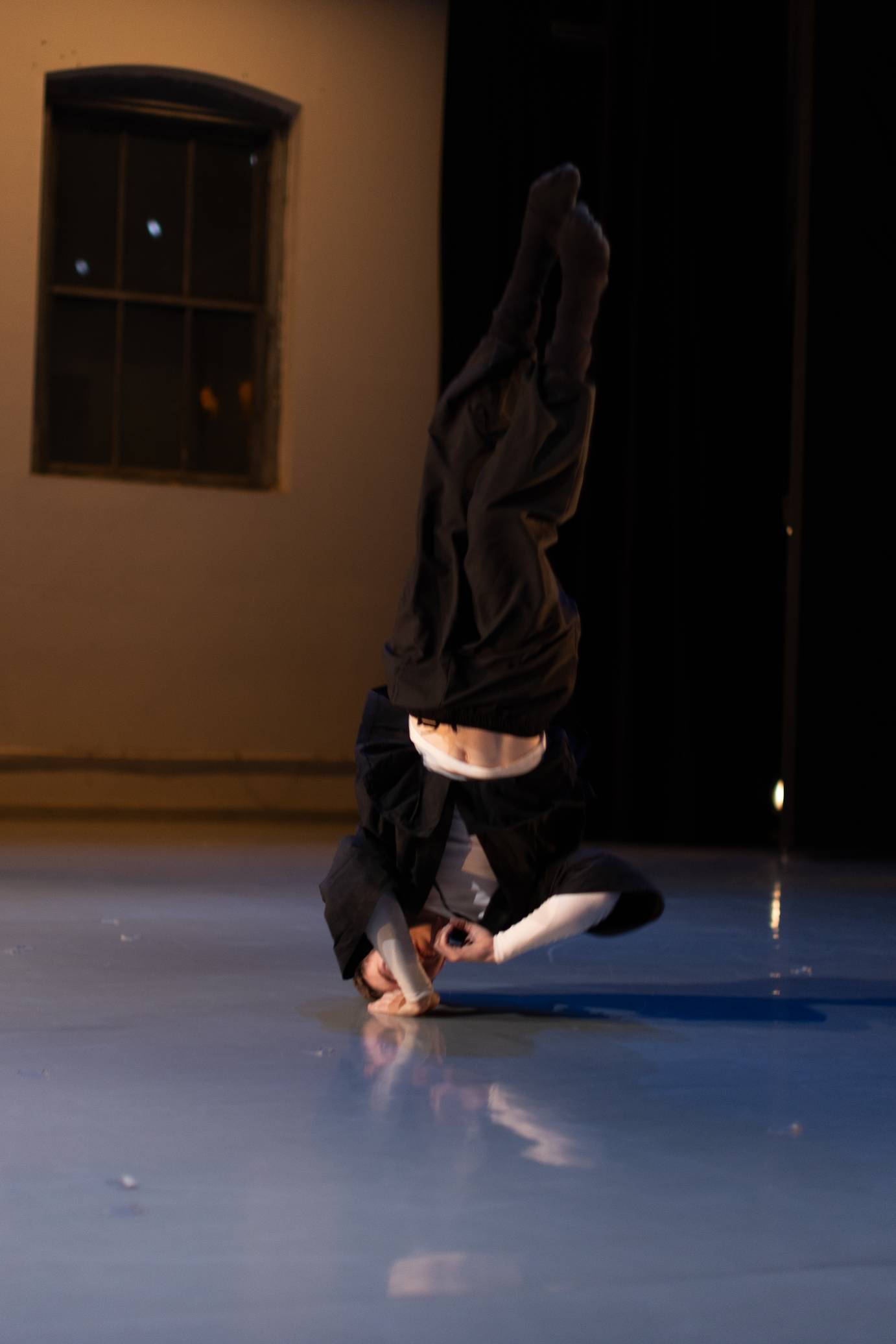
What does success look like both for you and Kizuna right now?
I could answer that as a short, medium, and long term, perhaps. Short term looks like the May show going well. Midterm looks like securing touring engagements for Father Absence and getting the company in the studio to begin a new work. And long term, going back to what I was saying before, I really want to more firmly position the company as a cultural ambassador, to be representative of what the United States can offer, as a peace branch to other cultures. I would love for the company to be able to do the The DanceMotion USA program, where they send artists to different places. Obviously, our focus is Japan, but extending it to other places in the world as well.