

Related Features
THE DANCE ENTHUSIAST ASKS: Cameron McKinney on Kizuna Dance, His Global Style, and the CUNY Dance Initiative
IMPRESSIONS: Jon Lehrer Dance Company at Tribeca Performing Arts Center
THE DANCE ENTHUSIAST ASKS: Elodie Dufroux, CUNY Dance Initiative Recipient, on the Premiere of “Un-Spoken”

By Theo Boguszewski
View Profile |
More From This Author
Published on March 25, 2026
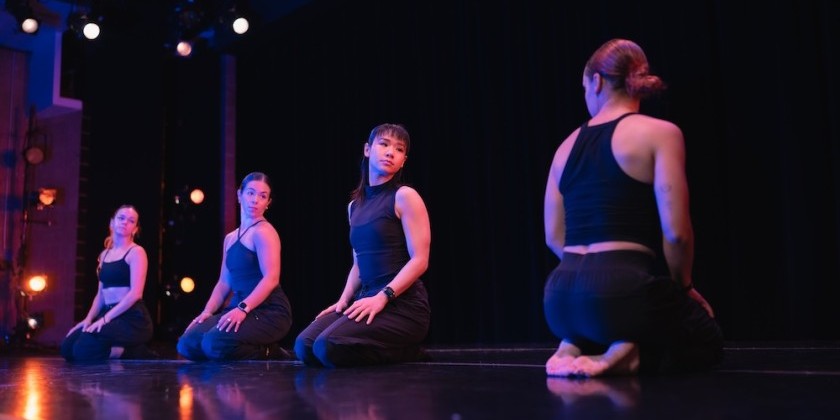
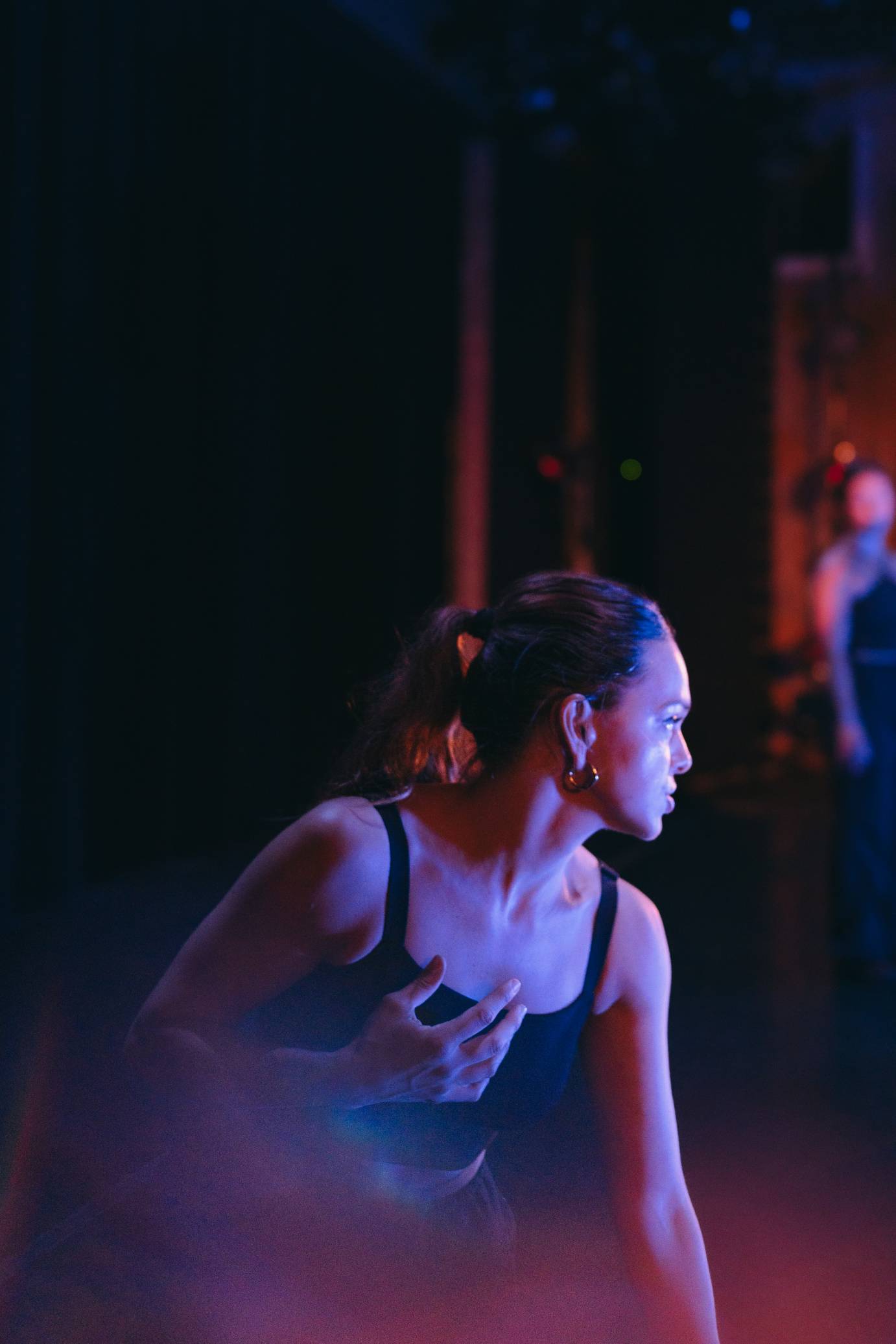
Elodie Dufroux's "UN-spoken." Photo: Michelle Tabnick
The Work Addressing Bullying Opens at Tribeca Performing Arts Center This April 3 - 4, 2026
How can dance-making help us to process life experiences? In her first full-length contemporary work, UN-spoken, choreographer Elodie Dufroux toys with this idea, transforming deeply personal experience into a visceral exploration of bullying, isolation, and resilience.
Premiering this April through the CUNY Dance Initiative at Tribeca Performing Arts Center, the piece blends athletic physicality with intimate storytelling, drawing from Dufroux’s own childhood experiences to create a work that is both autobiographical and widely resonant. In conversation with The Dance Enthusiast’s Theo Boguszewski, Dufroux reflects on translating memory into movement, revisiting difficult experiences, and her desire to give voice to what has long gone unspoken.
Click HERE to get tickets!
Theo Boguszewski for The Dance Enthusiast: UN-spoken is your first full-length contemporary work. What made this the right moment to create a full-length piece?
Elodie Dufroux: I’ve been presenting short pieces here and there, but it came to a point where I wanted to create with an intention, to make a statement and share something really dear to me.
Can you talk about the personal experiences that sparked the creation of UN-spoken?
Growing up, I was bullied in school. At first it was verbal, and then eventually it became physical. It was really targeted and specific to me. I was pushed in the staircase, they would open the door on me when I was using the bathroom… One time they pushed me into poison ivy. I was always very tiny, and they were all bigger and taller than me.
And nobody wanted to open their eyes to it. It was related to social status. My mom was a nanny, and my dad was an accountant. And those people attacking me had parents who were lawyers, doctors, surgeons — people who, socially speaking were looked at with more respect. Nobody wanted to see the bullying or take measures to stop it.
It happened, and I got on the other side of it, that's why I want to share my story. I think bullying happens to way more people than we think — at home, at work, at school. Something else that sparked the need for me to talk about it: many years ago, I was watching TV, and I saw on the news that a little 12-year-old girl had taken her own life because she did not want to go back to school. She was going through something similar. I saw that and thought, “I may not be able to change the world, but I have to say something. Enough is enough.”
When did you first realize that these experiences could become material for choreography?
When I first wanted to create a full length show, I actually explored a few different directions before I got to UN-spoken. I was fighting the idea of making the show about bullying because it's so personal, and because to create I would have to tap back into it.
There are moments in the show that are intense for me because they're the visual representation of what happened. I also didn't want the show to be one sided; I don't really believe that people are mean just to be mean. I don't think that's the way we're born into this world. If you imagine three kids and two of them have nice little balloons and there is one of them that doesn't have one, usually the reaction is for that [ balloon-less]kid to want to pop someone's balloon. They want to make the others feel the way they feel.
There were three main traumas that I wanted to explore with this piece: grief, isolation, and abuse. People can relate to at least one. I've personally been abused. I've lost people. The isolation felt big during the bullying. Also moving away from home. I moved here from France when I was 25.
I wanted the show to give a place to people that have been through what I've been through, and also maybe somehow open the eyes of those who have bullied others, to realize “maybe there is something that I can change.” If you're not faced with reality, if there's not an exchange, you don't introspect or try to understand why you are the way you are.
What was the experience of translating these emotions and experiences into physical movement? Were there particular gestures or motifs that emerged naturally when you were exploring these themes?
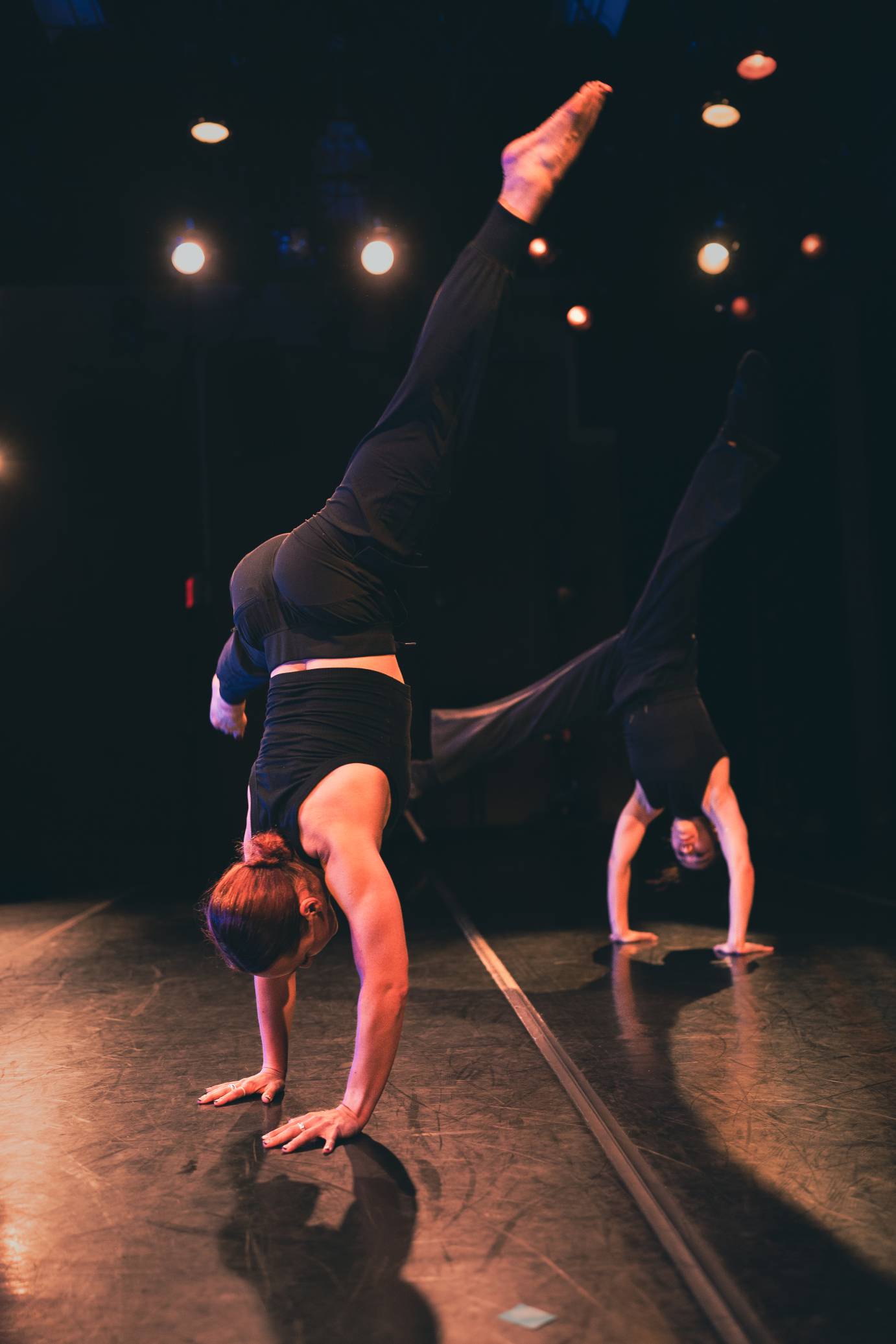
The whole show is very athletic. The feelings, the emotions, everything that I've been through, are intense. I am someone who feels intensely; things impact me in the body.
There’s one movement pattern that I use, where I fall back and nobody catches me. Also being tossed. That's very present in the show; it feels like a whiplash, over and over again.
Did you feel like revisiting some of these memories changed your relationship to them in any way? Was it therapeutic, or triggering?
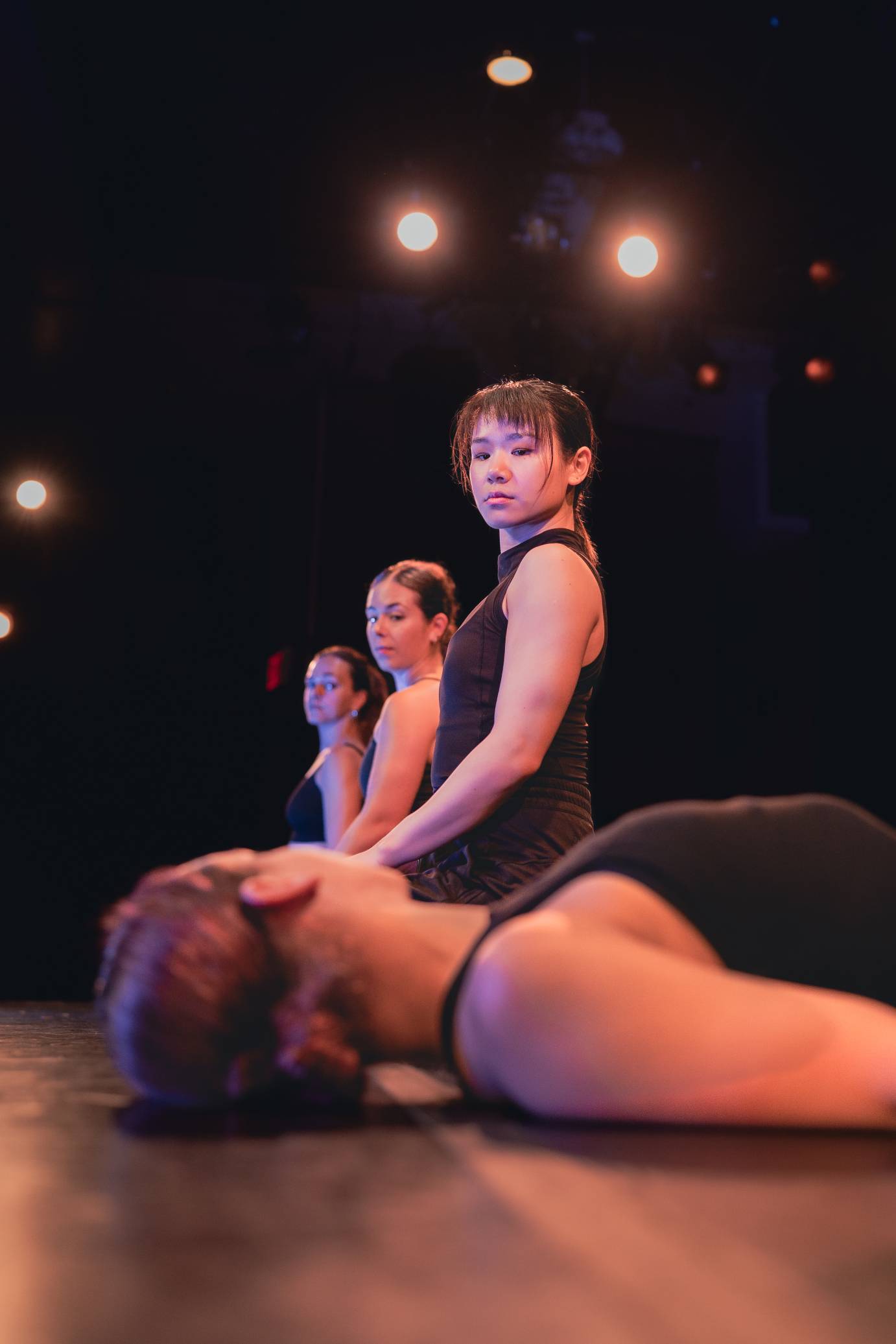
I think I felt both. It was way more triggering than I expected it to be in the beginning. I was lucky enough to be working on this show with people who I know. That’s why I kept the cast quite small; it’s only three dancers and myself. I needed to be sure that I could feel safe and vulnerable in the space.
We were rehearsing a moment where the dancers stand in a circle and I get passed around, like a fall and push. You know, how you would do as a kid — to be caught and passed around. I tried to do it with them, and, oh, my goodness, everything just came back into my body, and I had all the feelings that I felt years ago. I froze; I could not move on from there. I was like, “okay, I'm gonna need a second before we move on.” My brain and my body just went back to childhood.
It was triggering and also therapeutic. I felt a lot more at peace with everything. I don’t think I had ever really taken a step back to realize everything that had happened and how intense it was. So I’m giving myself a bit more grace about things.
How did you work with your dancers to build the emotional landscape of the piece? Did your dancers contribute any of their own experiences to the narrative?
When I was talking about traumas earlier, I was referring to loss, grief, and isolation. I asked them if there is one emotion or one trauma that they could relate to specifically. One of them had experienced the loss of her dad. One of them had experienced abuse. And the third dancer is also an immigrant, so isolation was something she could relate to.
Before I started any of the movement, we just sat down and had a talk. I explained what I went through, so they could understand the emotion and the intention. I started with this to get into a place they could tap into emotionally.
The work incorporates spoken word text written and recorded by Devin Kozlowski. How did that collaboration develop?
Devin has been a roommate of mine for a year. She's very gifted. I had no clue when we moved in together. She used to take dance class with me at Broadway Dance Center. As I got to know her, she invited me one time to a spoken word performance. And oh my goodness, it was just amazing. I always thought that I would want to collaborate with her on something.
When I got to UN-spoken, I was trying to find a way to start and to end the show. I listened to music, trying to find music tracks, and I felt stuck. And then I was like, “Oh my God, Devin.” I reached out to her and she was thrilled about it.
I basically told her where the spoken word would happen in the show, and what I wanted it to be about. I shared a little bit of my experience. And she just created from there. Literally, I had no notes. She's a genius with words. I remember the moment I first heard the spoken words, I was sitting at Starbucks, and I started crying. She understood where I was going with it. She nailed it.
Can you speak about the title? What does “un-spoken” mean in the context of this piece?
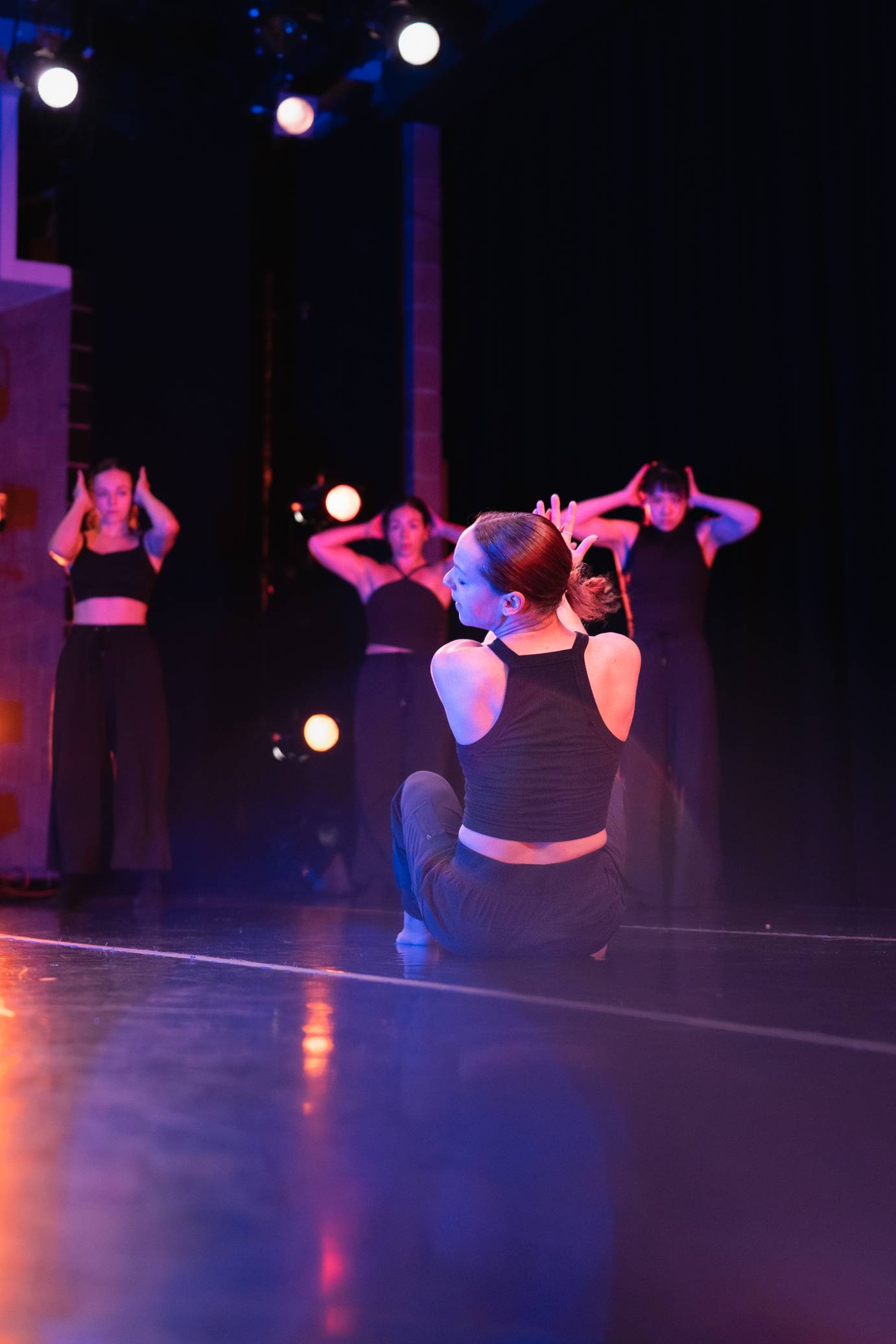
Bullying is one of those subjects that we all experience but nobody talks about. IF you're being bullied, then you're [seen as] weak. And if you bully, then you're just a bad person. What I wanted to talk about is what's not talked about, what's behind it. We are neither only victims or a bad people, there is more to it.
For me, UN-spoken is significant because I did not tell my family what was going on until it was too late for me to be able to get out of it easily. There was a lot happening with my family at the time, and I didn’t want to bother them with it. That’s also why I chose to call it Un-spoken — because I never spoke. I want people to feel empowered to speak up.
Another reason why it took me a little while to speak up: when you tell people that you've been bullied, they are like, “Don't be so dramatic. You're too sensitive. You're doing too much.” And so it's hard to talk about it when it's happening.
What has the residency through the CUNY Dance initiative allowed you to accomplish that would not have been possible otherwise?
Just thinking about presenting my work in front of an audience! I’ve always thought that one day I would do this, but where am I gonna find the funding? I have to pay my dancers, and I have to pay for space to rehearse […] everything is costly.
Having access to beautiful spaces like the BMCC Tribeca! What a beautiful theater. The seats are on a staircase that descends towards the stage, so the audience surrounds the performers; it feels like the audience is embracing the dance. Working with the team too has been easy. Everyone on staff is on top of it. It feels like there's a space for me. It's very special to have the opportunity for my voice to be heard.
After this premiere, how do you envision UN-spoken continuing to evolve? What's next?
In parallel to the show itself, I've written a book about my experiences. I initially wanted to link the book to the show for the premiere. But that did not pan out; it was too ambitious. I want to be able to work with someone to help me build the book, and to link the book to UN-spoken. I also want to make a short film to present at festivals.