


Related Features
IMPRESSIONS: E-Moves Festival Presents "Black Men in Dance" at Harlem Stage
IMPRESSIONS: Jane Comfort at La MaMa Experimental Theatre Club's Ellen Stewart Theatre
THE DANCE ENTHUSIAST ASKS: Donald Byrd Revisits "Occurrence #14" at La MaMa Moves! Dance Festival

By Theo Boguszewski
View Profile |
More From This Author
Published on April 9, 2026
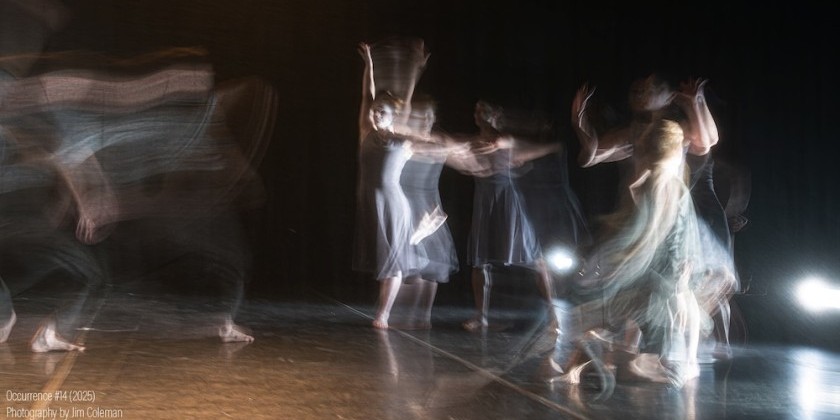
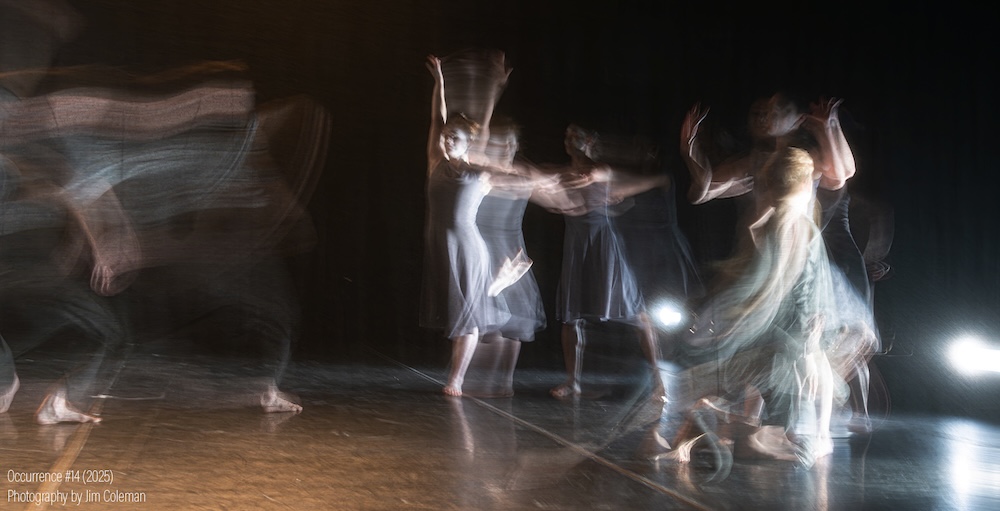
"Occurence 14." Photo: Jim Coleman
Don't Miss Donald Byrd/Spectrum Dance Theater Today Through April 12th
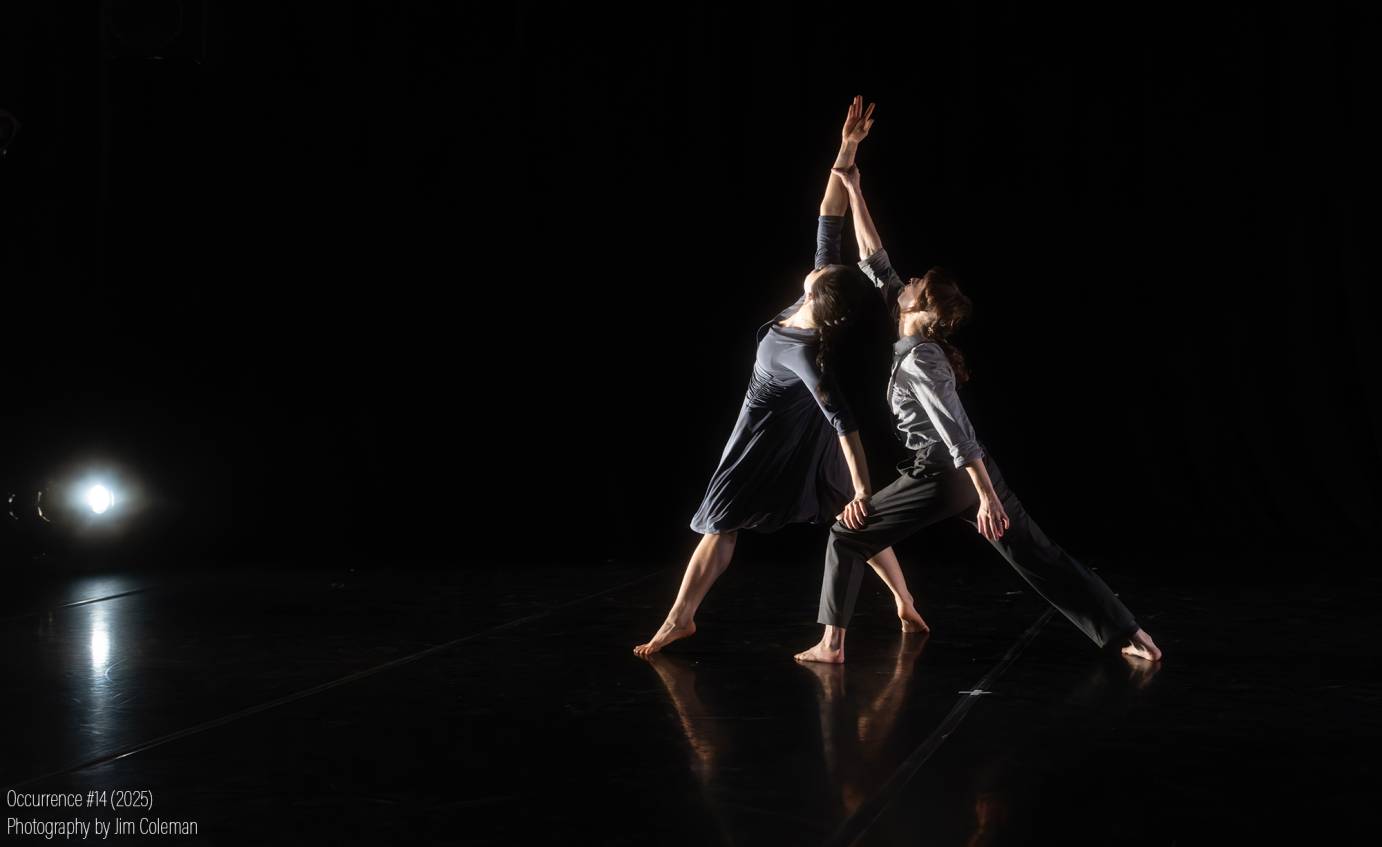
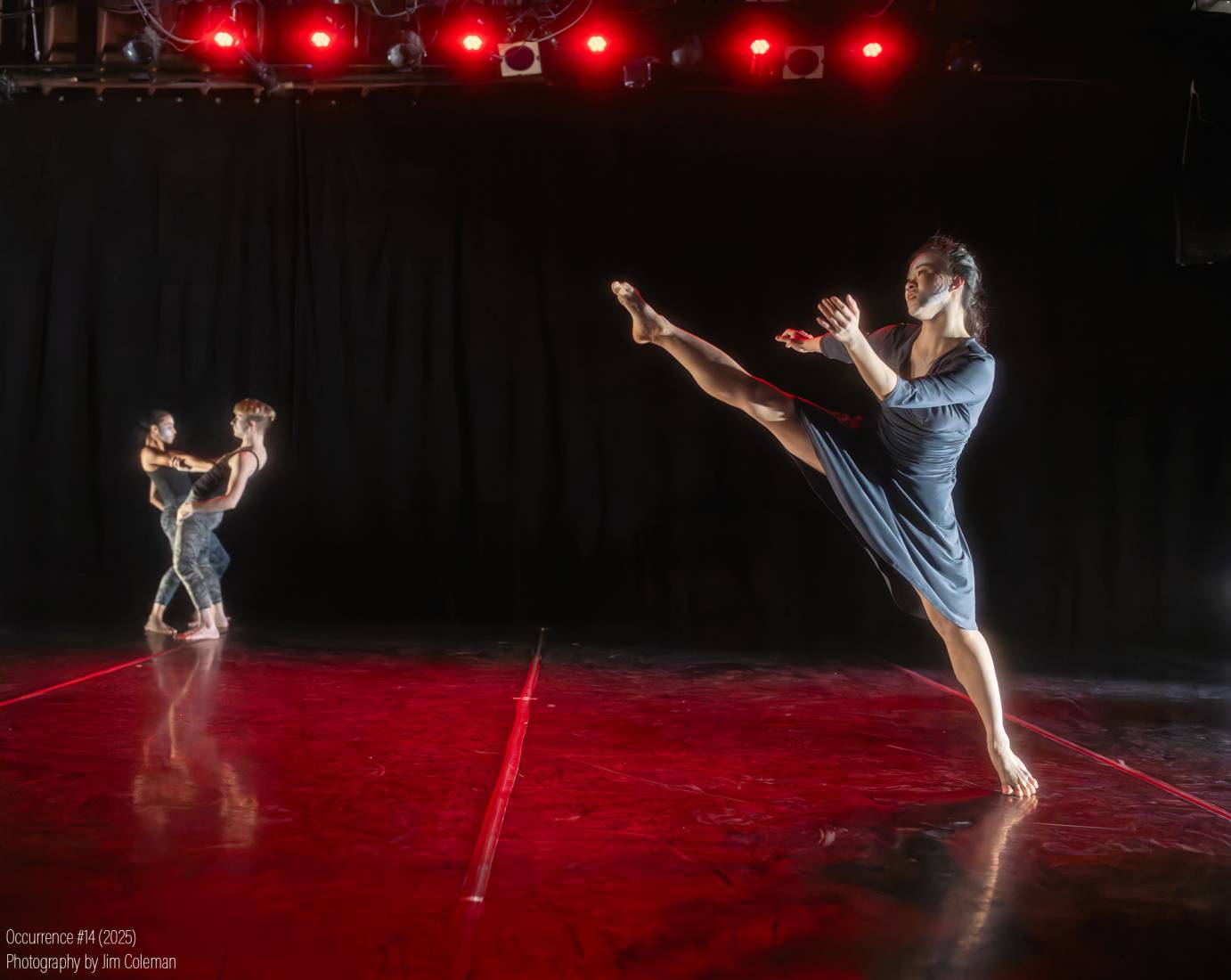
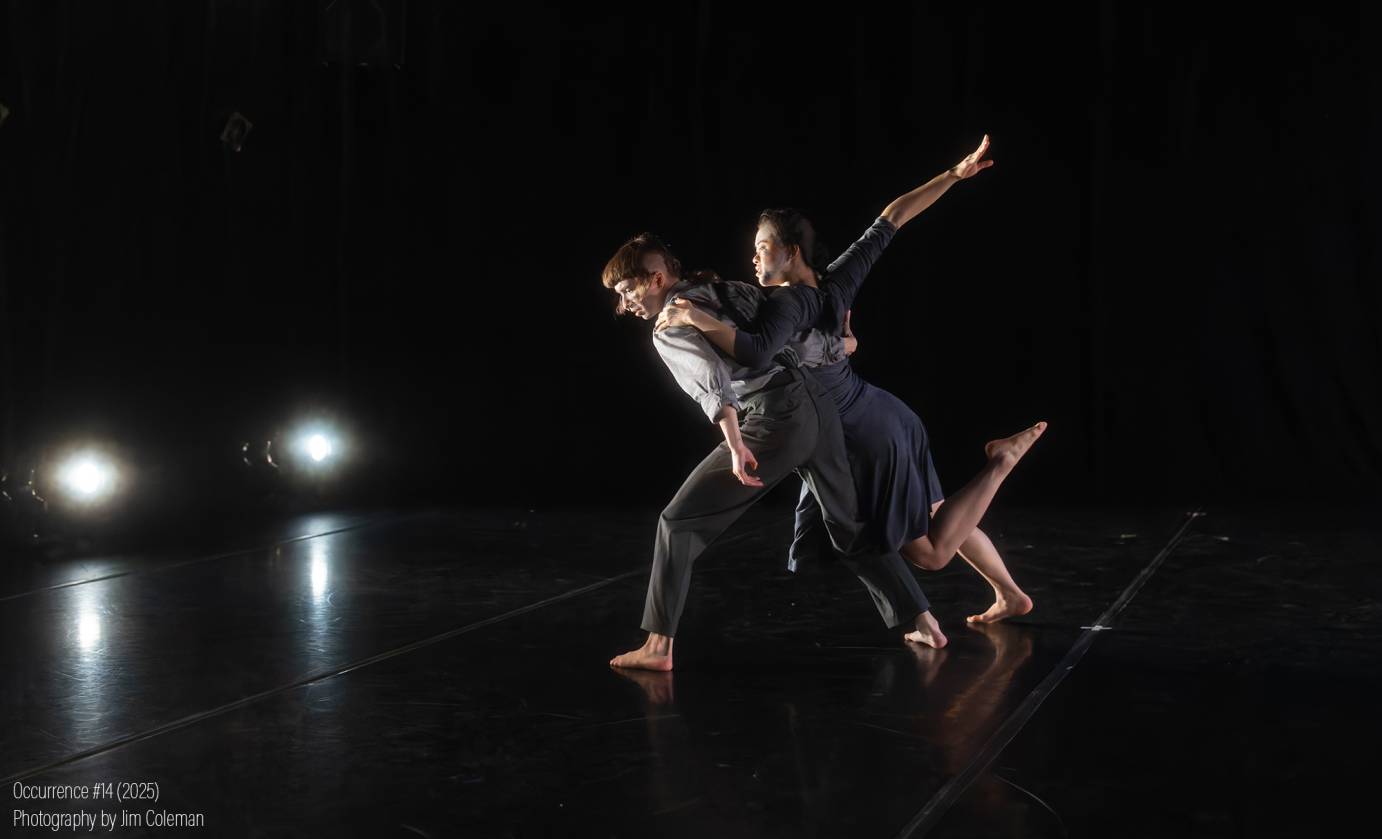
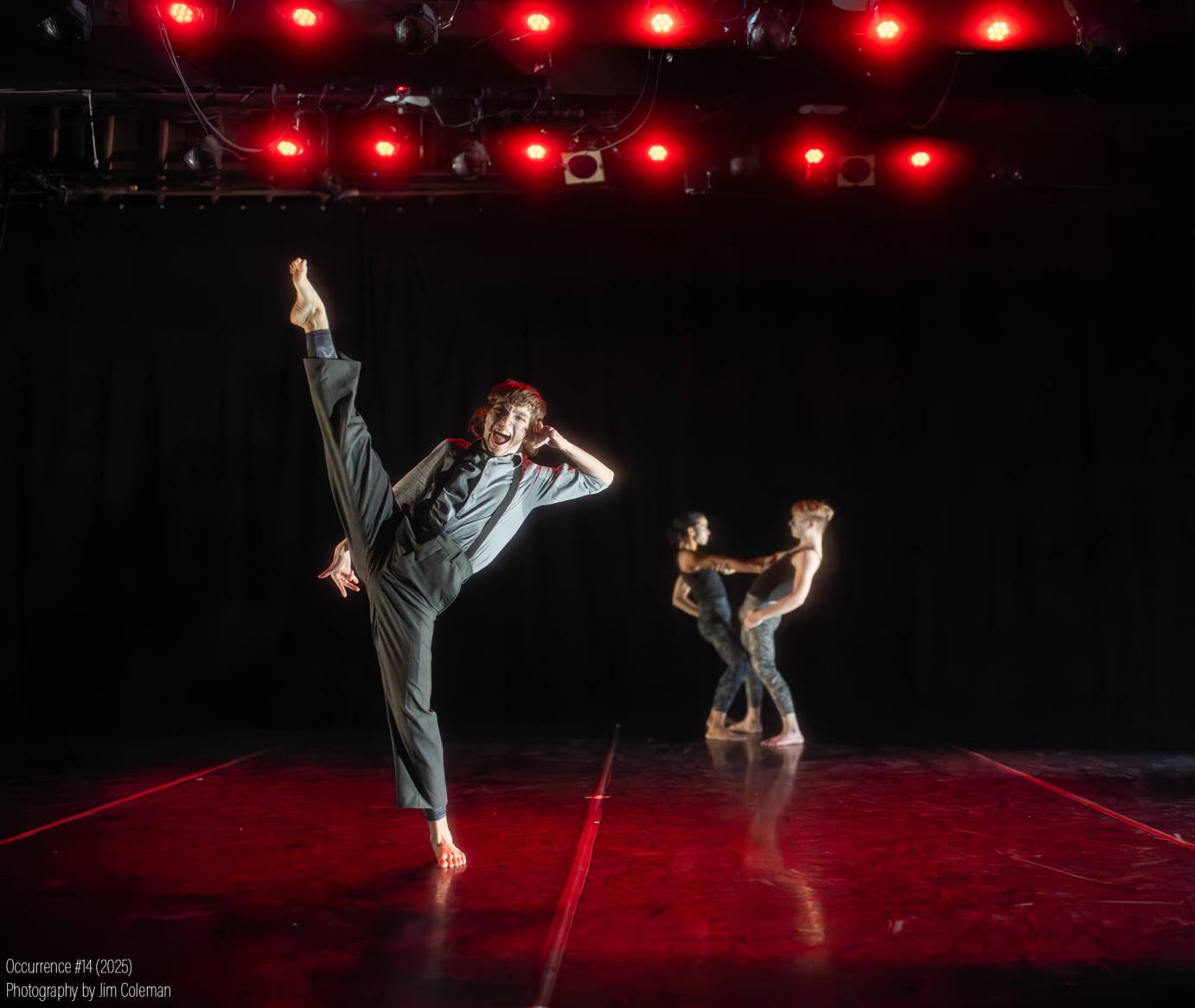
Donald Byrd returns to La MaMa with a rare revival of Occurrence #14, presented as part of the 21st annual La MaMa Moves! Dance Festival. Rooted in his response to 9/11 and structured in the spirit of Merce Cunningham’s Event as a dynamic recombination of past and present material, the work reflects both personal history and evolving perspective.
In this interview with The Dance Enthusiast’s Theo Boguszewski, Byrd speaks of his commitment to creating dance that invites reflection and the significance of returning to New York City with his work.
21st La MaMa Moves! Dance Festival Presents:
OCCURRENCE #14
by Donald Byrd/Spectrum Dance Theater
La MaMa Experimental Theatre Club, The Downstairs Theatre, 66 E. 4th Street, New York, NY
April 9 – 12, 2026
TICKETS HERE
What does it mean to you to return to La MaMa to present Occurrence #14?
I have a long history with La MaMa, going back to when I was a sophomore in college. I first came here to direct a play and was told “no, you’re too young, you're gonna be the assistant to somebody else.” Which I did, and it was a great experience. It was my first time working in any professional theater capacity. And so coming back here […] I won't say it's a full circle, but it's a kind of returning to something, which is exciting.
Why does it feel like now is the right moment to bring back bring Occurrence #14?
Well, at its source, the piece is about 9/11. I left New York almost a year after 9/11 and moved to Seattle. This year at 9/11 was the first time that I didn't feel absolutely devastated by the memory of it — I had some distance from it, 25 years later. Everything doesn't feel so emotional. In some ways you might say it's my 25th anniversary acknowledging 9/11 and its impact on me personally. So the piece is very personal.
How does this changing relationship to 9/11 show up in this revival of the piece?
I think before when thinking about 9/11, I felt like I was on the verge of hysteria. I think this year and in this piece the images and the feelings around 9/11 are calmer. It’s like looking at things with clear eyes and just acknowledging what they are without being overwhelmed emotionally.
The Occurrence series draws inspiration from Merce Cunningham's Event format. How did you interpret that concept in this work?
The Cunningham Event is a combination of old pieces and new materials. There are three pieces that I made the spring after 9/11 that were part of a Danspace Project program at St. Mark's Church, an alumni concert for CalArts. And some of the material from that then gets rearranged and done differently and done simultaneously with other things. So it very much is in the spirit of a Cunningham Event. I always thought that for Merce the events were choreographic play — let's go back to this and look at it differently and play around with it and see what we get.
What prompted your move to Seattle from NYC in 2002?
Right after 9/11, I was having difficulty raising money to keep my company going here. Not that it had been a lot easier before, but I seemed able to do it and was willing to deal with that struggle, like many artists in New York.
But I hit a wall of disillusionment. It became all about the debt and not about the work. And so I decided to close my company in NYC. And when I closed the company, David Parsons said to me, “Oh, you should have a press conference. If you have a press conference, people will know you're available.” And so I did. And sure enough, I started getting headhunted for jobs.
The artistic director of Spectrum had just left, and I was actually in Seattle making a piece at Pacific Northwest Ballet. Spectrum contacted me, and I initially didn't want to do it because they didn’t have any money, but I was really attracted to a program that they have called The Gift of Dance. It was a scholarship program for young dancers that wasn’t based on talent or ability — the child just had to show a real strong desire to dance, and that was it. And I said, “I think that sounds like an organization that I might be interested in being engaged with.” I thought Seattle was a way that I could reinvent myself. And that's why I went.
You've led Spectrum Dance Theater since 2002. How do you feel the company has evolved under your direction?
Well, when I got there, it was a jazz dance company. I don't do jazz dance. So how Spectrum has evolved is that it does really serious things now, like serious contemporary, modern dance. It's really about movement exploration. It's not entertainment. It doesn't attempt or want to entertain. That was really different for the audiences in Seattle. Even though they said that’s what they wanted when they hired me, they were kind of stunned. And so I think what I've done is I've created an environment of creating work that encourages conversation. It's always challenging in one way or another. You know, people over there sometimes say, “oh, it made me feel uncomfortable.” People in New York like feeling uncomfortable. Seattle, they don't. They don't want to feel uncomfortable at theatre or dance performances.
It's not like I'm trying to make them feel uncomfortable. What I'm trying to do is to be honest about what I'm doing. And sometimes that makes people feel uncomfortable. So I would say that's the biggest shift. I did a bunch of work in the two thousand tens that was focused on race relationships in America and our history with racial violence. I'm actually reviving some of those pieces later in May. I really want people to engage that way. Yes, I love beautiful dancing. I love stuff that's just pretty. But that's like having dessert, and I don't want dessert for every meal. I want something to chew on, and I try to make work that gives people something to chew on. It doesn't mean that they will like it necessarily. But of course, we all want people to appreciate what we do, so maybe it's an appreciation for what it is, even if it's not a “like”.
How do you find your dancers?
I would have auditions in New York and in Seattle. There are many more skilled dancers in Seattle now than there used to be. And there were almost no Black dancers there. So all the Black dancers came from auditions in New York or sometimes in Philadelphia. And I taught a workshop at Steps every summer too.
How do the dancers contribute to shaping a piece like Occurrence #14?
I have a series of processes where I ask them to interpret a phrase or a group of phrases. So how they see things or understand things manifests in the choices that they make around those phrases. And so that is very much a part of what I do. I say that the dancers are my primary collaborators.
How do you feel Occurrence #14 fits in with the overall program of the La MaMa Moves Festival this year?
To be determined. Last year, Neil Greenberg did a piece as part of the festival, and it got a really positive response. Sometimes this work can be really challenging for people; it can feel kind of niche. And I think I'm going to interpret the success of Neil’s work to mean that the La MaMa space is a space that actually opens things up for people.
What are you working on right now? What are the questions that you're currently asking yourself as an artist?
As an aging, aged, old artist, the question I'm asking is around relevance. Can I be relevant? Do I have the relevance that I want my work to have? That can't be the same relevance that younger artists have. They're interested in completely different things. And that's great. When you've done work for a long time, you become less interested in “pow, pow,” overwhelming the audience with how spectacular it is.
All the stuff that actually propels young careers, showing people how great and smart you are — you kind of have to do that when you’re young, to stand out and make an impression. I don't care about those things anymore. I care about the relevance of the work. What am I saying? Can I say something that speaks to our humanity in some way that may require contemplation?
Those big, flashy pieces with lots of performers dancing in unison — I'm glad that choreographers are doing it, but I'm just not interested in that anymore. I've seen some work recently by young choreographers that are just experimenting, and I'm impressed because they are really working with a kind of authenticity. And I love that. In some ways, being here in New York right now, it's kind of like I'm missing my youth. Not really, but kind of. And that reminds me of the possibility of the kind of integrity that you can have when you don't have anything to lose.