


Related Features
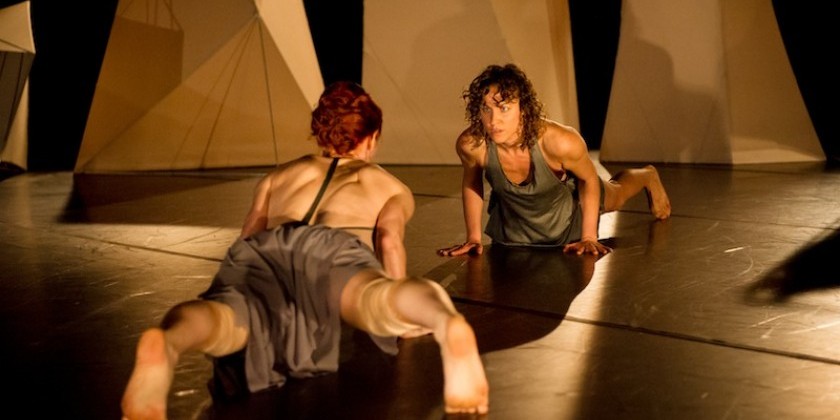
The Guggenheim’s Works + Process Features Rogers + Hammerstein’s "Oklahoma!" Choreographed by John Heginbotham
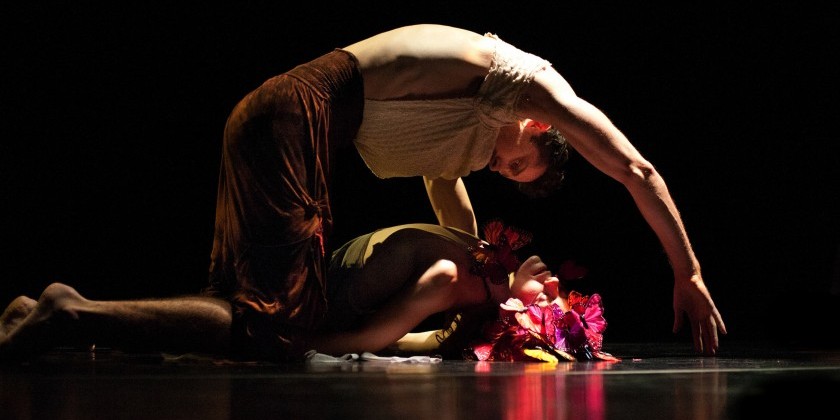
Choreographer Luke Murphy On his "Your Own Man/ Mad Notions" New York Premiere This Friday
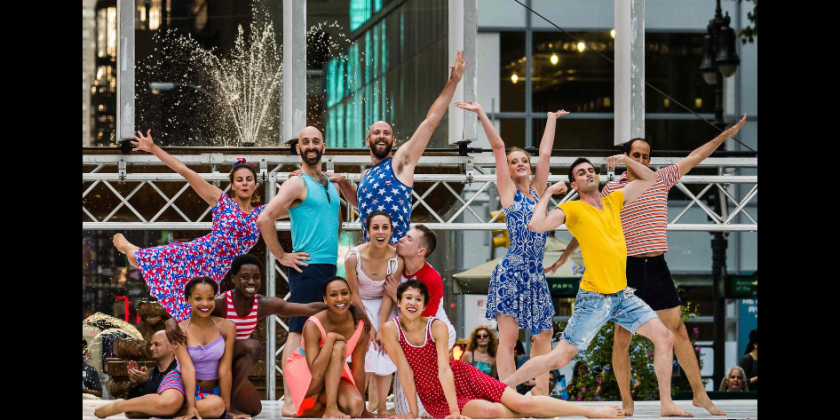
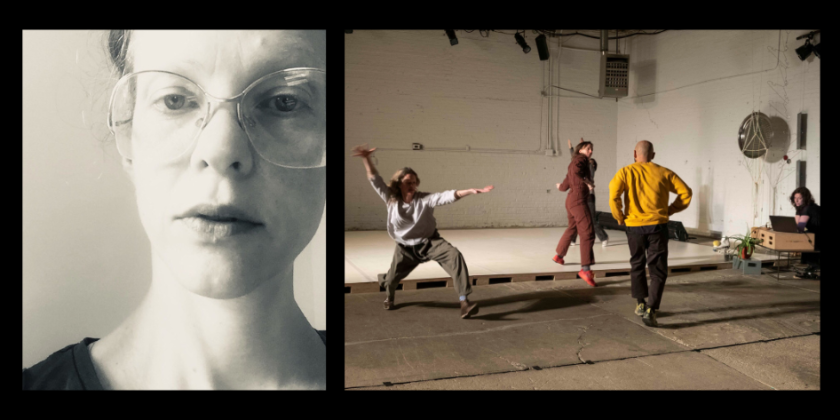
THE DANCE ENTHUSIAST ASKS: Luke Murphy on the Us Premiere of “Scorched Earth” at St. Ann’s Warehouse

By Theo Boguszewski
View Profile |
More From This Author
Published on April 2, 2026
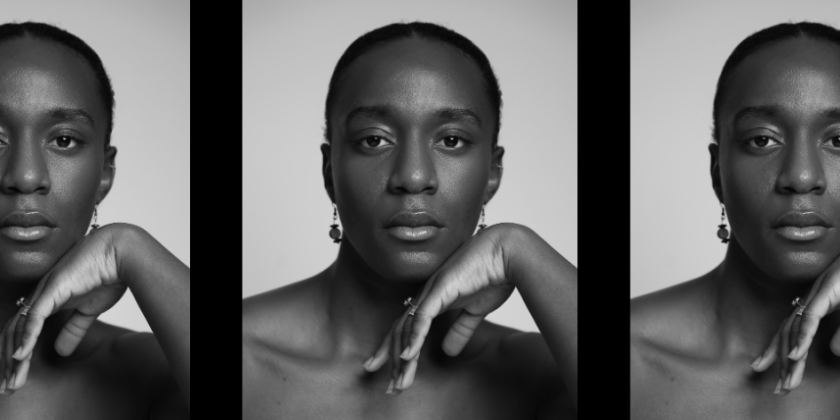
Luke Murphy. Photo: Pato Cassinoni
Deeply Rooted Irish Themes of Land and Ownership Made Universal
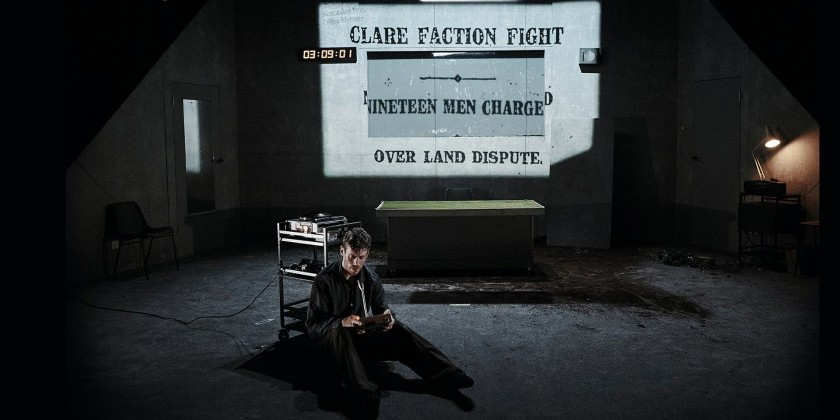
Luke Murphy’s Scorched Earth, a gripping fusion of dance-theater, crime drama, and psychological thrill, makes its US premiere at St. Ann’s Warehouse in Brooklyn April 3-19, 2026. Featuring Murphy alongside a cast of five international performers, the work reimagines an unsolved crime twelve years later, winding through shifting timelines and memories while exploring themes of land and ownership which are entrenched in Irish history.
The Dance Enthusiast’s Theo Boguszewski speaks with Murphy about his cinematic approach to choreography, and the deeper questions around human behavior that drive his work.
Click HERE for tickets!
Theo Boguszewski for The Dance Enthusiast: Scorched Earth draws inspiration from John B. Keane’s play The Field. What first compelled you to return to that narrative?
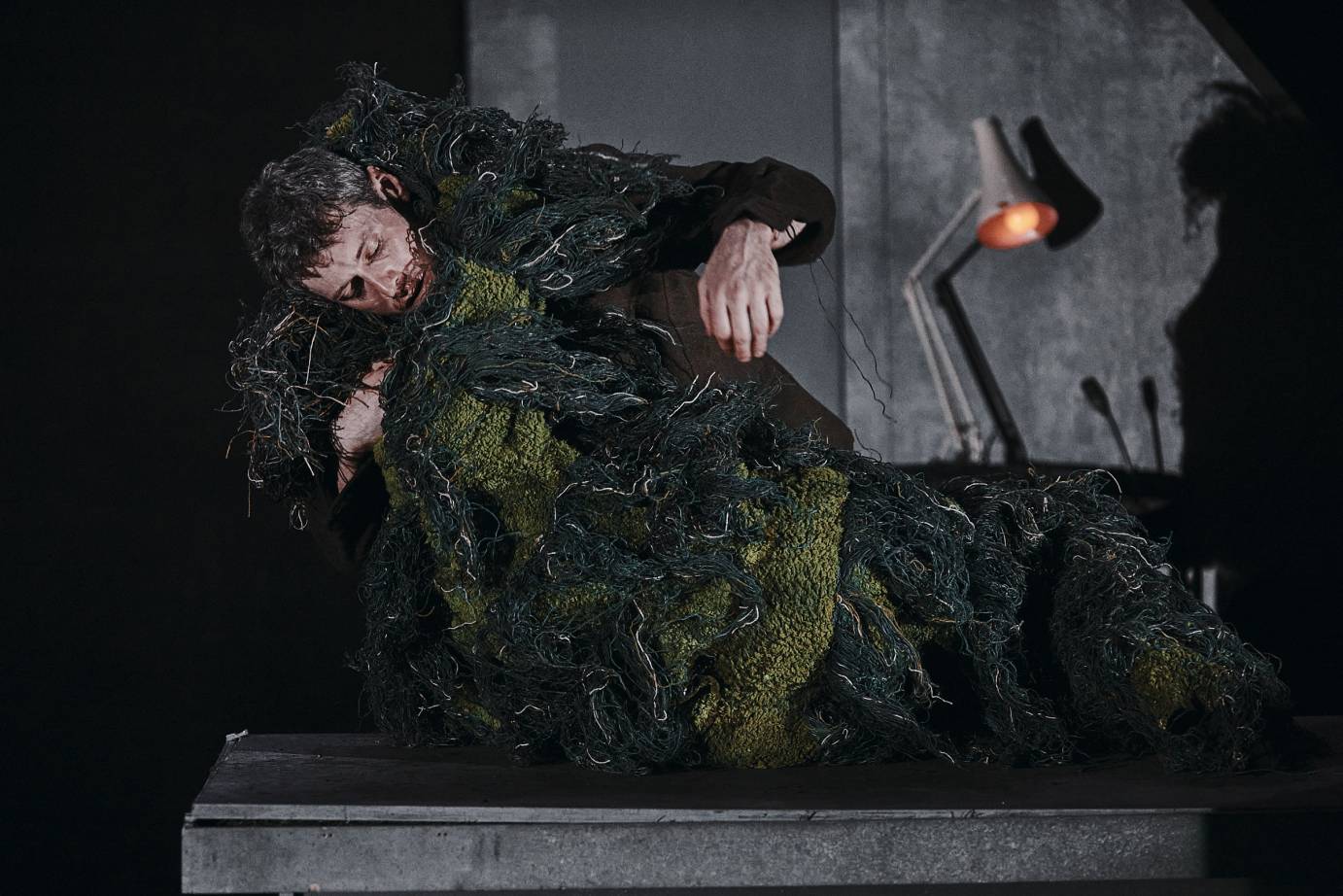
Back in 2018, I was walking in a part of West Cork called the Sheepshead Peninsula with my dad. We were walking on the north side of a small peninsula, and the land there is basically all rock — it's very unforgiving terrain for agriculture. And then right by the sea, there was this one really beautiful patch of land that someone had obviously worked so hard to cultivate. It was so vibrant. We were talking about how it was a testament of someone's will to make the land usable, and my dad said it reminded him of The Field. And I wasn't familiar with the play, so I looked into it. At the time, I was around the age that people start telling you you're supposed to buy a house. And it made me think a lot about ownership and what it means to want and to have land of your own.
The Field is inspired by a murder that happened in the 1960s, shortly before Keane wrote the play. Two farmers were arguing over a boundary between their land, and one farmer killed the other. Boundary disputes and land and inheritance are a really common cause of violent crime in Ireland. And the play has become a vessel for a lot of those themes. I wanted to look at that story — what are the questions now, as opposed to the questions from the 1960s? And that’s what Scorched Earth was born out of.
It's an Irish story — we've created a fictional story that is based in Ireland, and especially for Irish audiences, it has got a lot of culturally specific things in it. But I think questions over what it means to take land or to want to take land or to feel like you have a right to land — those are questions of very international significance at the moment.
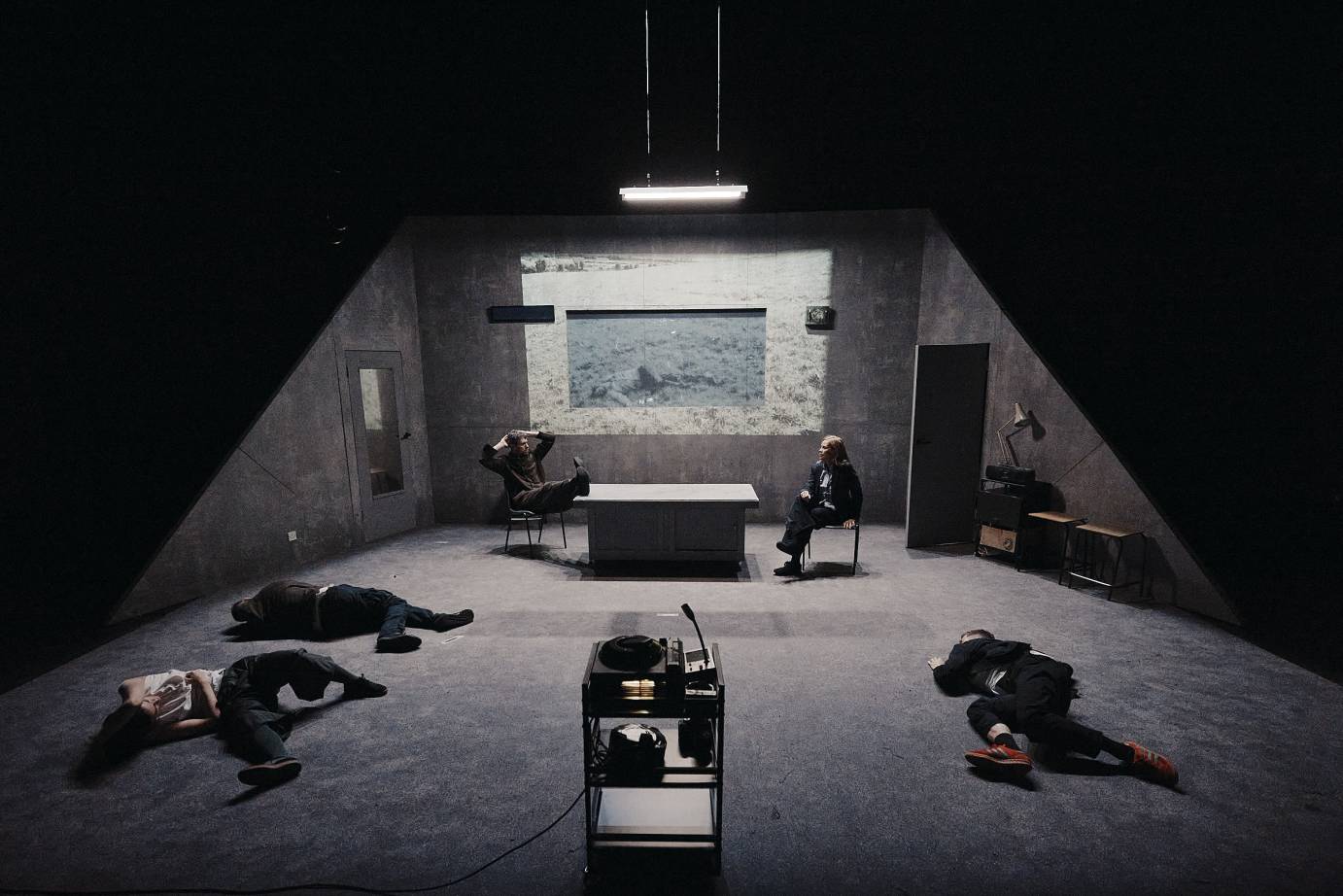
Scorched Earth blends crime drama and this idea of a psychological thriller. What drew you to these genres as a choreographic framework?
I’m very interested in film. One of the reasons I call my company "Attic Projects" and not specifically a dance company is that I feel every project should take on the life that it wants to take on. A big philosophy for the group around how we work together is that you come in the door with the things that you know how to do and are good at, but you also come in the door with your potential to learn other things and expand your skill set.
Because the nature of how dance companies are funded has changed a lot in the last 15 to 20 years, the nature of freelance work has changed — there’s a lot more project work. Which means that performers are often working under shorter creative processes, and choreographers can end up using performers for the same things over and over. So a performer is a bit reduced to their niche.
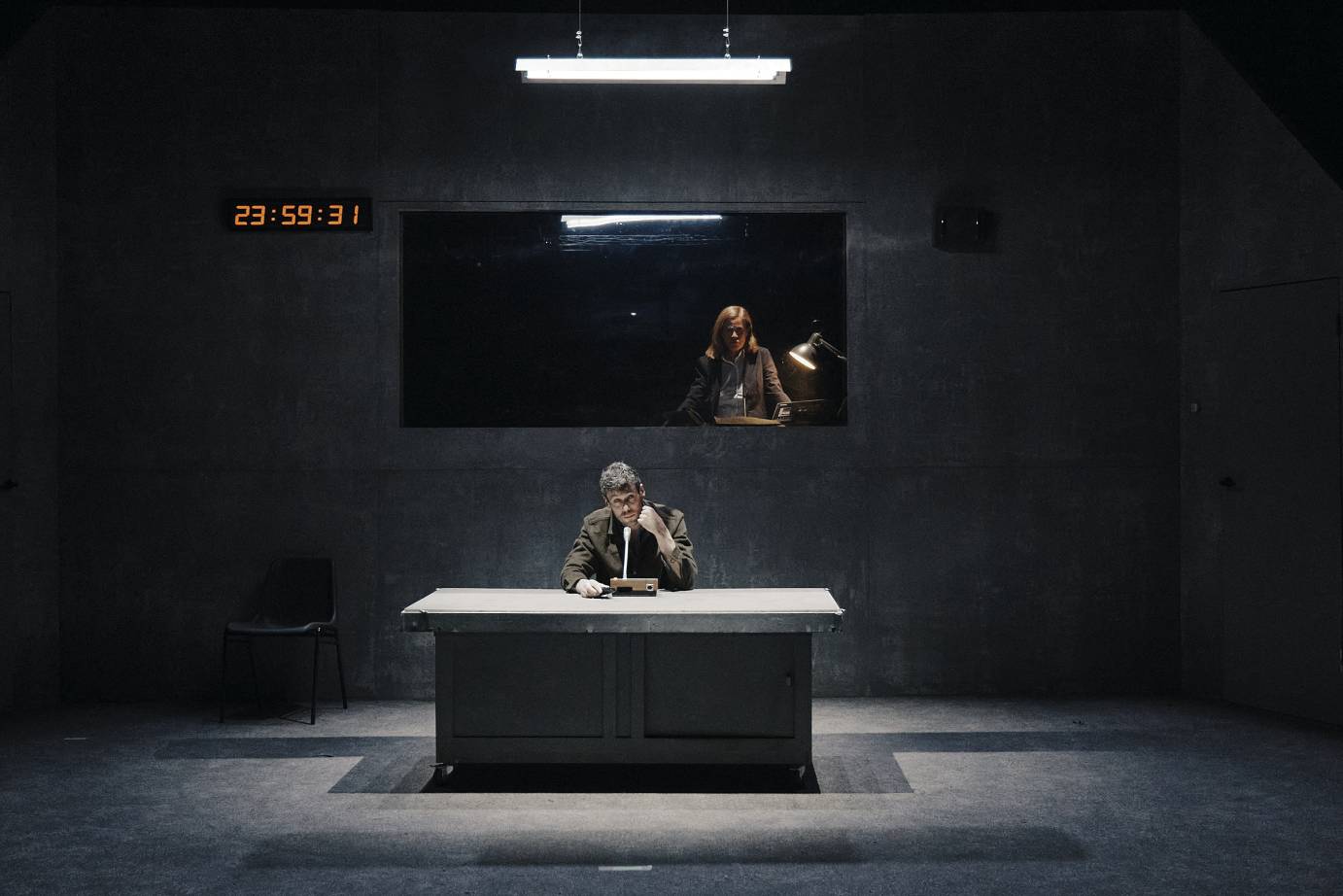
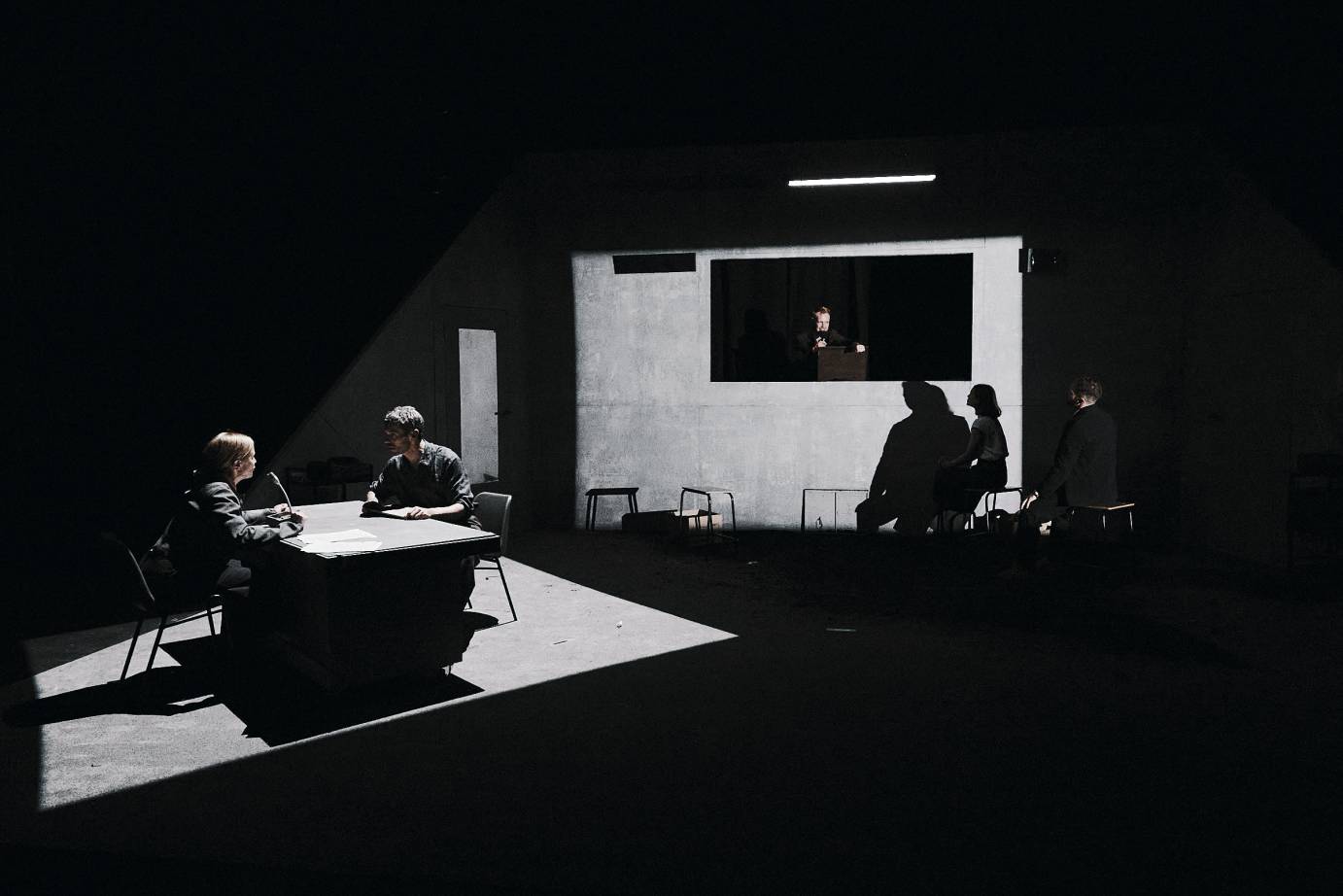
Within my work, my philosophy is that we can do anything if we learn. And similarly, the shows can be anything they want to be. Leaning into this cinematic genre felt like the right thing to do; I decided to explore the story as an unsolved crime that's being reinvestigated. And there's a noir element to that. So then we looked at interrogation room dramas, and what it makes you think of cinematically when you see that space.
Can you speak about how you approach movement generation, both in general and specifically for this piece?
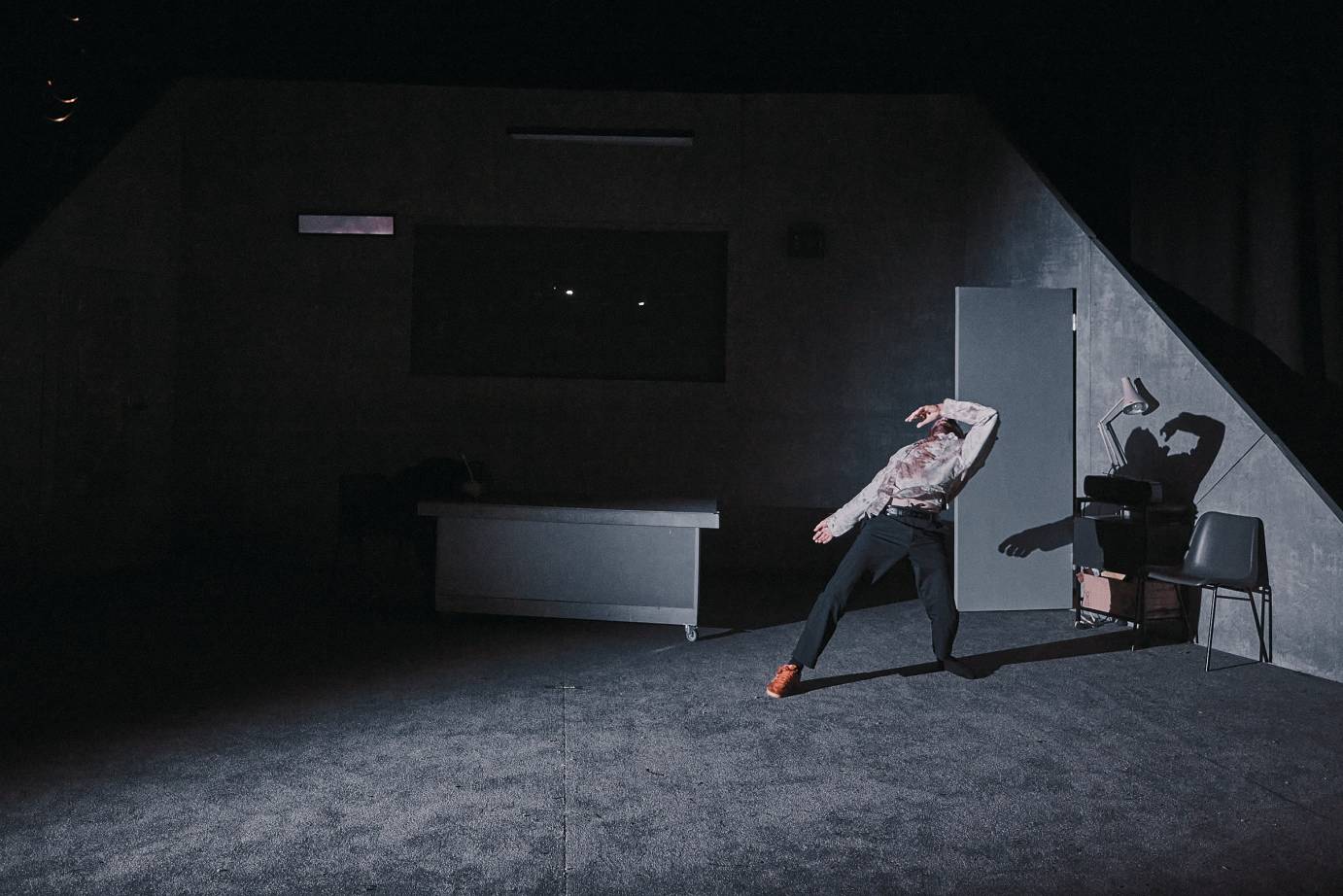
I start with what I call “modes” or “languages.” I'll find a physical language based on an abstract idea. Like, “your skin is made of chocolate fondue that's constantly cascading and constantly melting off you.” And it’s not just how that makes you feel, but also how to communicate to an audience that your skin is chocolate fondue. Once we've found that physical language quite clearly, I might introduce something like, “okay, so now keep doing chocolate fondue, but on the inside, I want you to think about the idea that you're in a moment where you’ve just lost your job and you're being kicked out of your apartment and your relationship has just fallen apart. Don't let that change chocolate fondue, but just let that be what you're emotionally processing.”
And then what people end up seeing, maybe, is someone who feels like everything they touch, they're losing and frantically trying to gather. Because the chocolate fondue has this constant recycling and this constant loss. So it's a very physical language, but then I create an emotional context around it. And then because the work is quite theatrical, it'll be sitting within a narrative context where you’re also learning something really specific about that character by them being in that state and sharing that inner landscape.
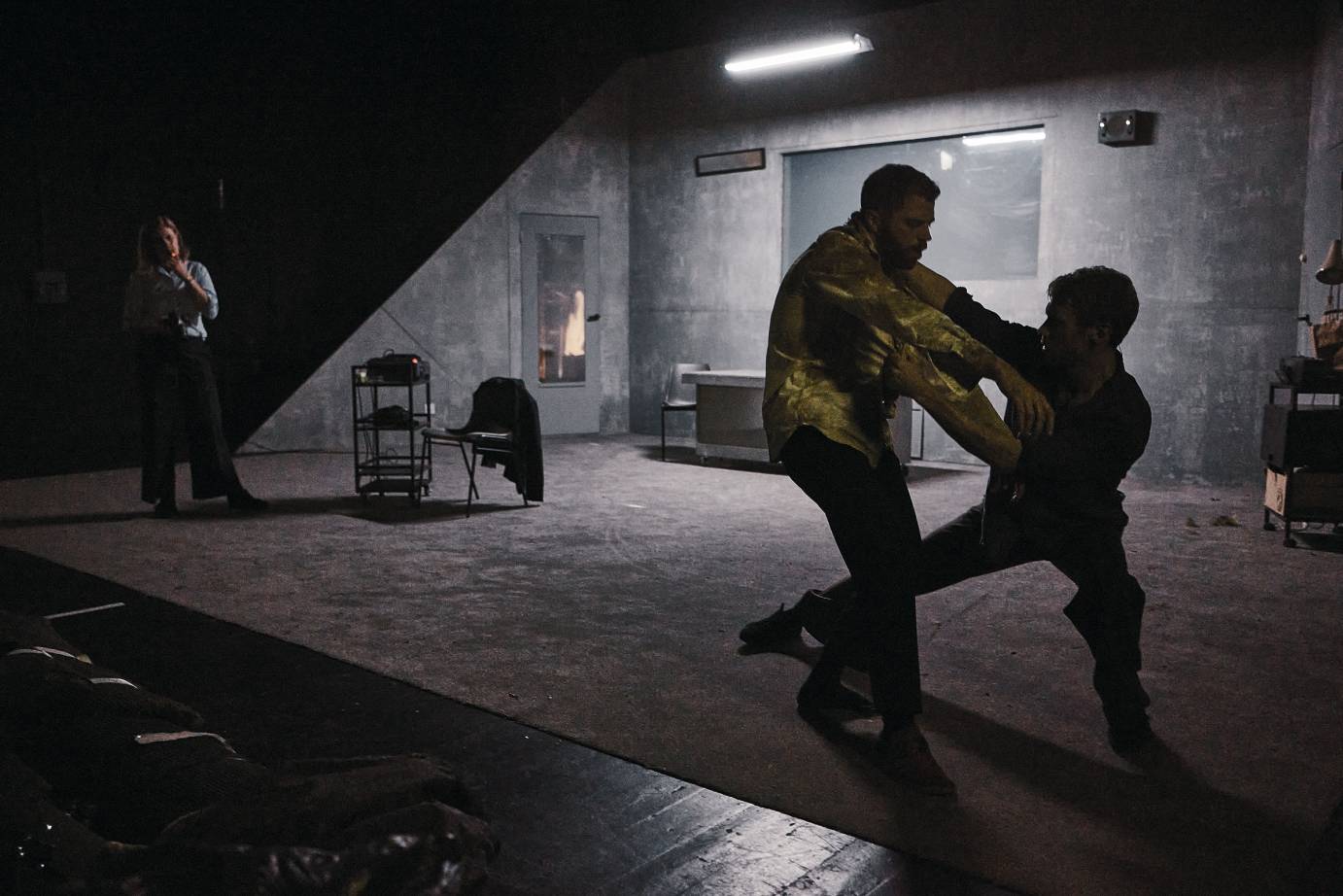
In this particular piece, you direct, choreograph, and also perform. How do you navigate those different roles?
With varying degrees of success, I guess. I've performed an awful lot. One of my main performing jobs was with Punch Drunk — I was in all of their productions for 15 years or so. So I've been on stage for thousands of hours basically. Performing in the work is a big part of how I direct. It's kind of like feeling the inside of the piece as opposed to just examining it from the outside. I want to guide the timing of what I'm doing, what I feel like the audience needs. I want to build the rhythm of what a moment is on stage.
In terms of writing and choreographing, they're their own processes, so they just take time. The work takes a really long time to make because the writing process is really slow. And the choreographic process — there's a lot of dance in the show, so there's a lot of choreography. And at the same time, it's also a play and it needs to be directed. So I kind of do everything by making sure that I don't sacrifice one thing to do the other.
You've reunited with your creative team from Volcano. How has that collaboration evolved with Scorched Earth?
It's interesting, it's kind of like any relationship. When you start dating someone, you think everything about them is great, and then you get to a certain point where you know each other better and your relationship has more foundation, but you also have way less patience for one another. Similarly, with my creative collaborators, we go through those flows where we've gotten to know each other really well, and then equally we have to address any patterns between us which are a result of working closely for a long period of time.
Also, maybe the first time you work with someone, they are more conscious of showing their best face. And the more you get to know them, you have to see all of them, not just the good sides. And so with this project, because it was quite long, we got through some highs and lows. And that feels very real and genuine, which is lovely because I'm very close with everyone I work with. We're a really tightly knit group.
So it's great having the opportunity to work together over an extended period of time, because peoples’ expectations for themselves go up. No one wants to take a step backwards. And that ambition creates all of this yearning and then that creates a really lovely energy and it also creates the pressure of how do we nurture each other through the pressure and also nurture the yearning, so we can get somewhere new.
Was it your intention that Volcano and Scorched Earth be related or intentionally disparate? Or neither?
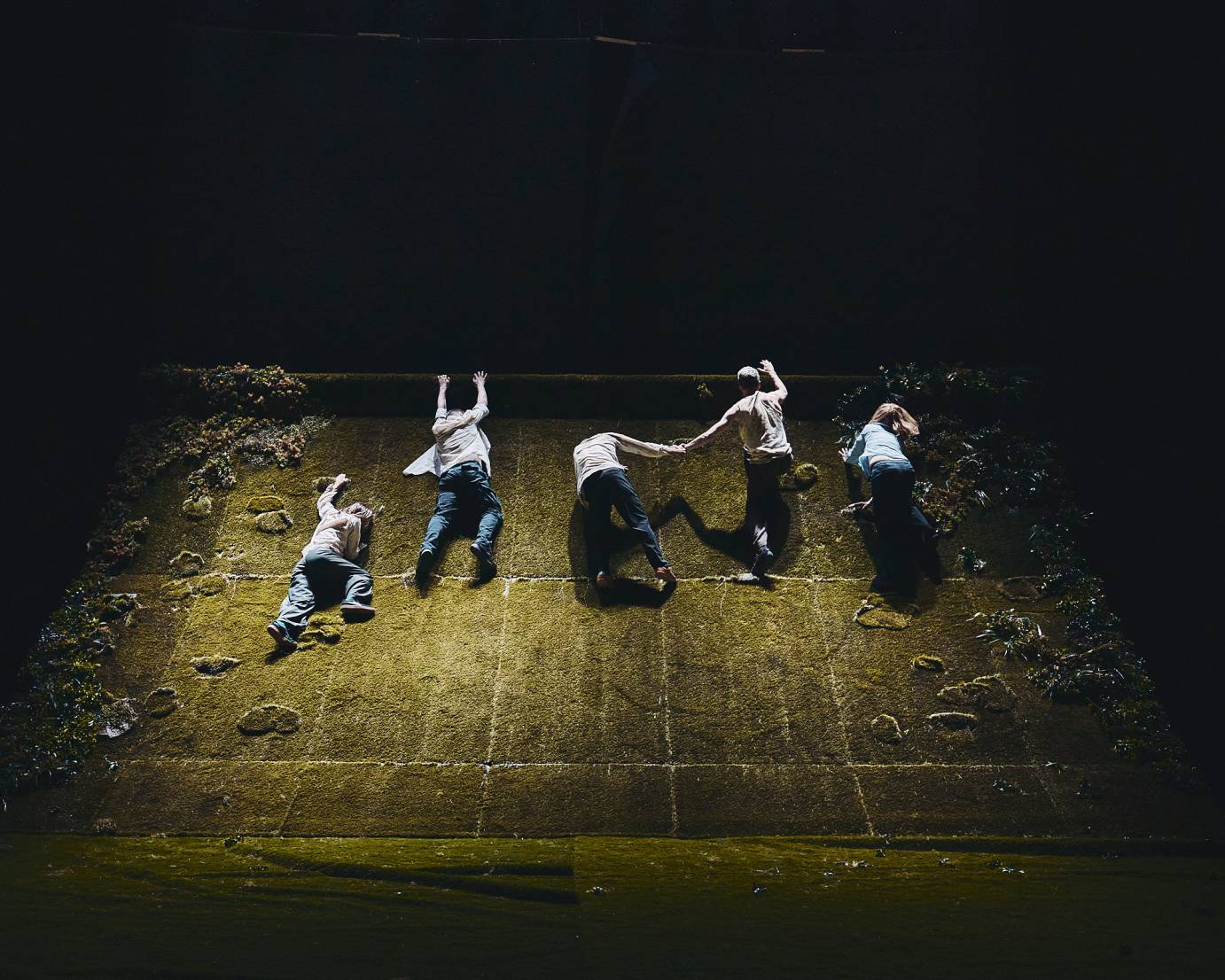
Some of the things that are interesting to me about making work in general are present in both. There's also a similar relationship to abstraction and to imagery. They both are narrative, but the actual narrative structure of the two is completely different. Volcano is this prolonged character-based, single location based, slowly unpeeling onion, while Scorched Earth is a narrative moving between three different threads. And you're being sent back and forth in time quite a lot; you're being sent to different worlds as an audience member. I wouldn't say I consciously tried to do something different than Volcano, but it was just what was needed to tell this story.
I felt like with Volcano, I started really making the work I wanted to make. And so this show was built on that confidence; I'm starting to get a bit braver in what I feel like I can do.
What do you hope that audiences leave with emotionally, intellectually, after experiencing Scorched Earth?
At the moment, with the work I'm making, I start with a question, and then create a scenario where I put characters under a certain pressure. And we all — the audience — look together at how that character responds to that pressure. Like, “is that how I would deal with this? Do you think that's how you would deal with this? Is that a good way to deal with this? Is that a human way of dealing with this?”
I have real questions around owning, around wanting, around WHAT that makes people do, and the violence that it can lead to. And the kind of justification people feel over their actions if they really feel entitled to something, really believe it should be theirs. So the show's not a hypothesis on it. It's more like a proposal of a question for the audience: “do you sympathize with this person or this person? What do you think?”
I think a show done well gives people an unexpected new way to look at something and to form a thought for themselves. I hope that people will ponder the same questions I'm pondering at the moment.
What's next for you after this upcoming run? Artistically, creatively?
We'll keep touring this show, to D.C. and to Brisbane later in the year. And then we have more shows in the States and internationally next year. And then I start something new. I start the next adventure. I actually do a week of rehearsing in the studio here at St. Anne's after I finish this show, reconnecting with some performers that I knew when I lived in NYC, and starting to figure out what comes next.