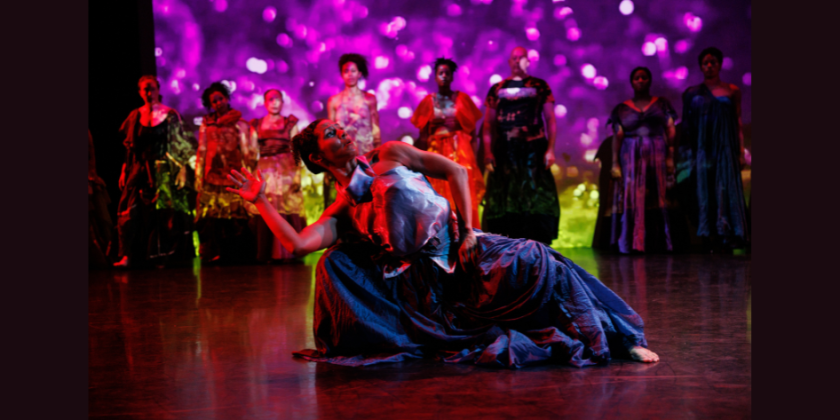


Related Features
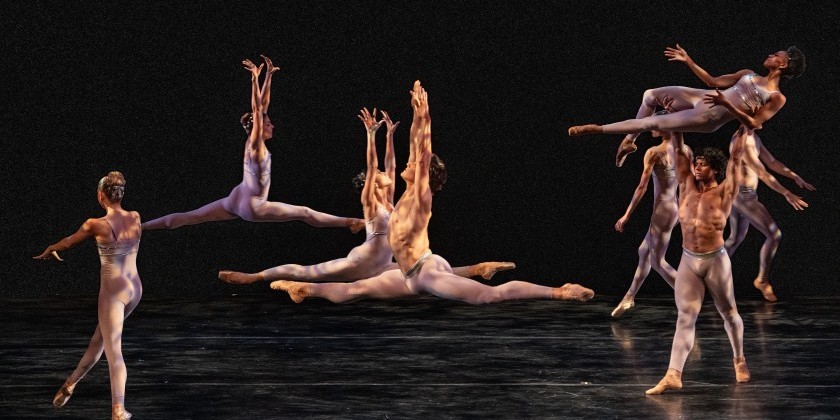
IMPRESSIONS: Works & Process Presents a Summer Preview of Jacob’s Pillow Dance Festival 2026
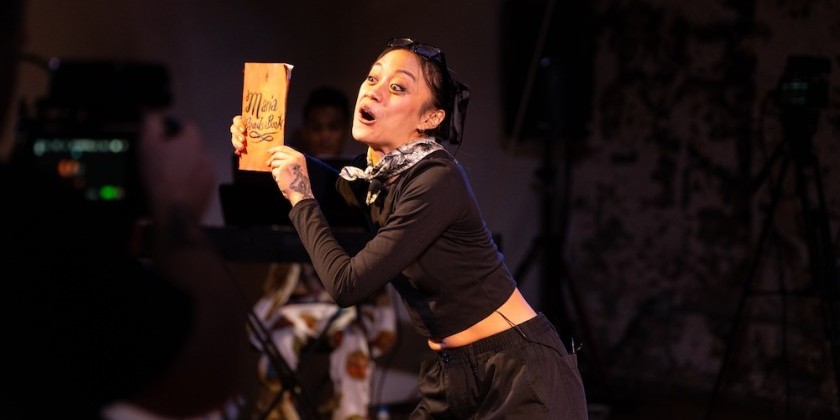
THE DANCE ENTHUSIAST ASKS: Donald Byrd Revisits "Occurrence #14" at La MaMa Moves! Dance Festival
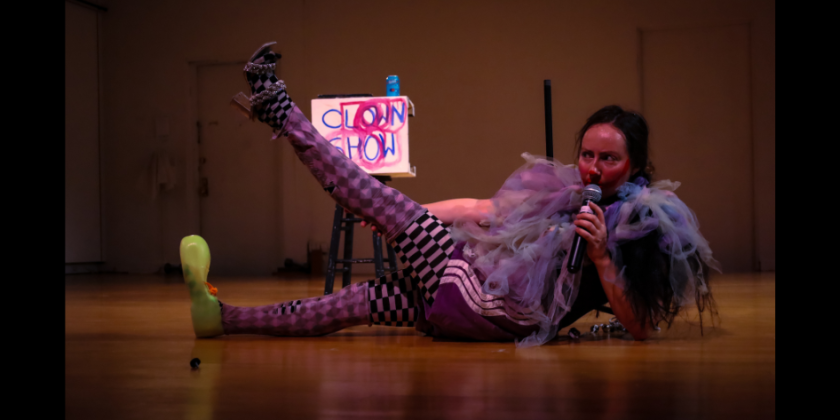
IMPRESSIONS: Experiments Abound — A Roundup of the 40th Performance Mix Festival

By Sarah Cecilia Bukowski
View Profile |
More From This Author
Published on June 17, 2026
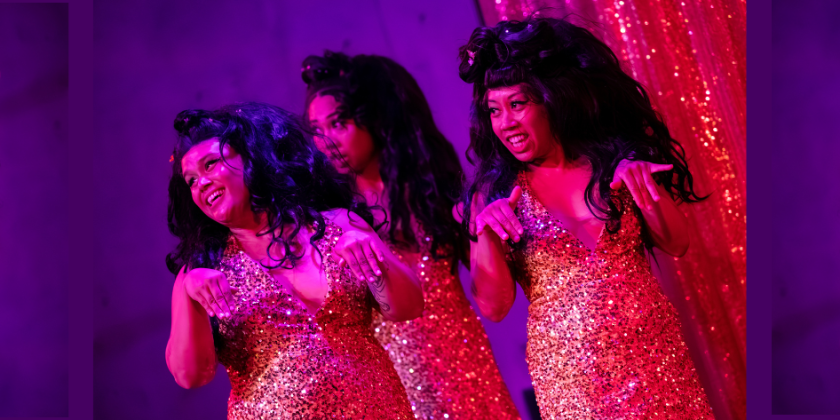
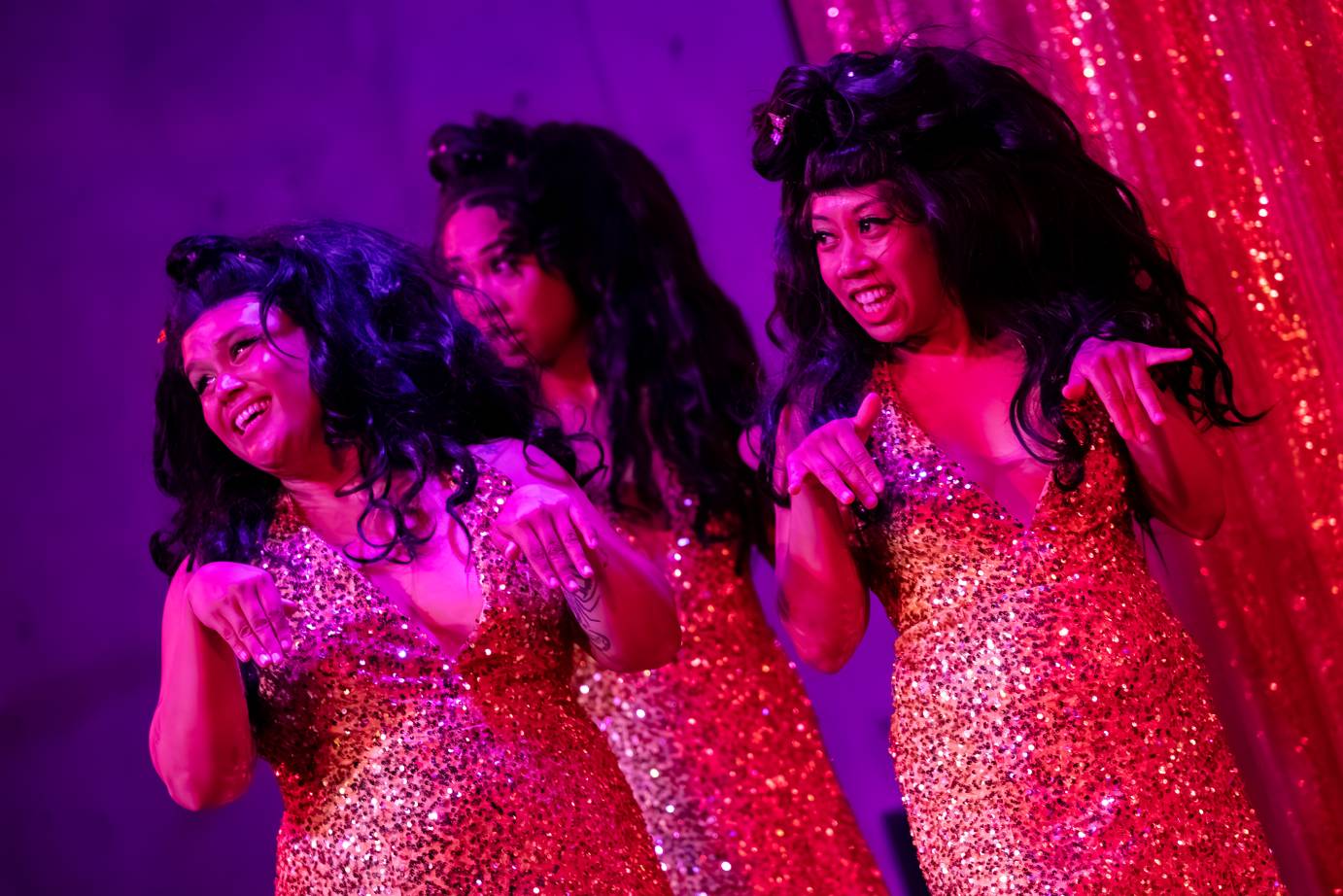
Kat Sotelo. Photo: Elyse Mertz
This year, New Dance Alliance presented its 40th Performance Mix Festival with a staggering lineup of 35+ artists across nine programs at Abrons Arts Center’s Underground Theater. NDA’s long history of curating and cultivating experimental performance bears evidence of its commitment to community, with veteran Mix artists presented alongside emerging voices from a nearly indefinable array of genres, styles, and lineages of movement and creativity.
The Underground provides an intimate space for such a range of expressions to hone their focus and run wild. The brutalist concrete bunker dispels its weight in the details of its architecture: radiating, repeating rectangular recesses slant upward from the stage space, lending loft and drawing attention to the shallow trapezoidal performance arena that spreads at the feet of its steep seating risers. The structural and energetic potentials of the space always make me feel a little like I’m inside a spaceship, hurtling at untold speeds across unimaginable distances toward destinations unknown — an apt setting for a cosmic deluge of experimental performance, to say the least.
Two programs on Friday, June 5 and a marathon day of four programs on Sunday, June 7th gave me an overabundant sampling of the current climate of experimental performance-making. The eighteen works shown across these programs ran the gamut (and then some!), crossing boundaries of discipline and genre to challenge audiences up close.
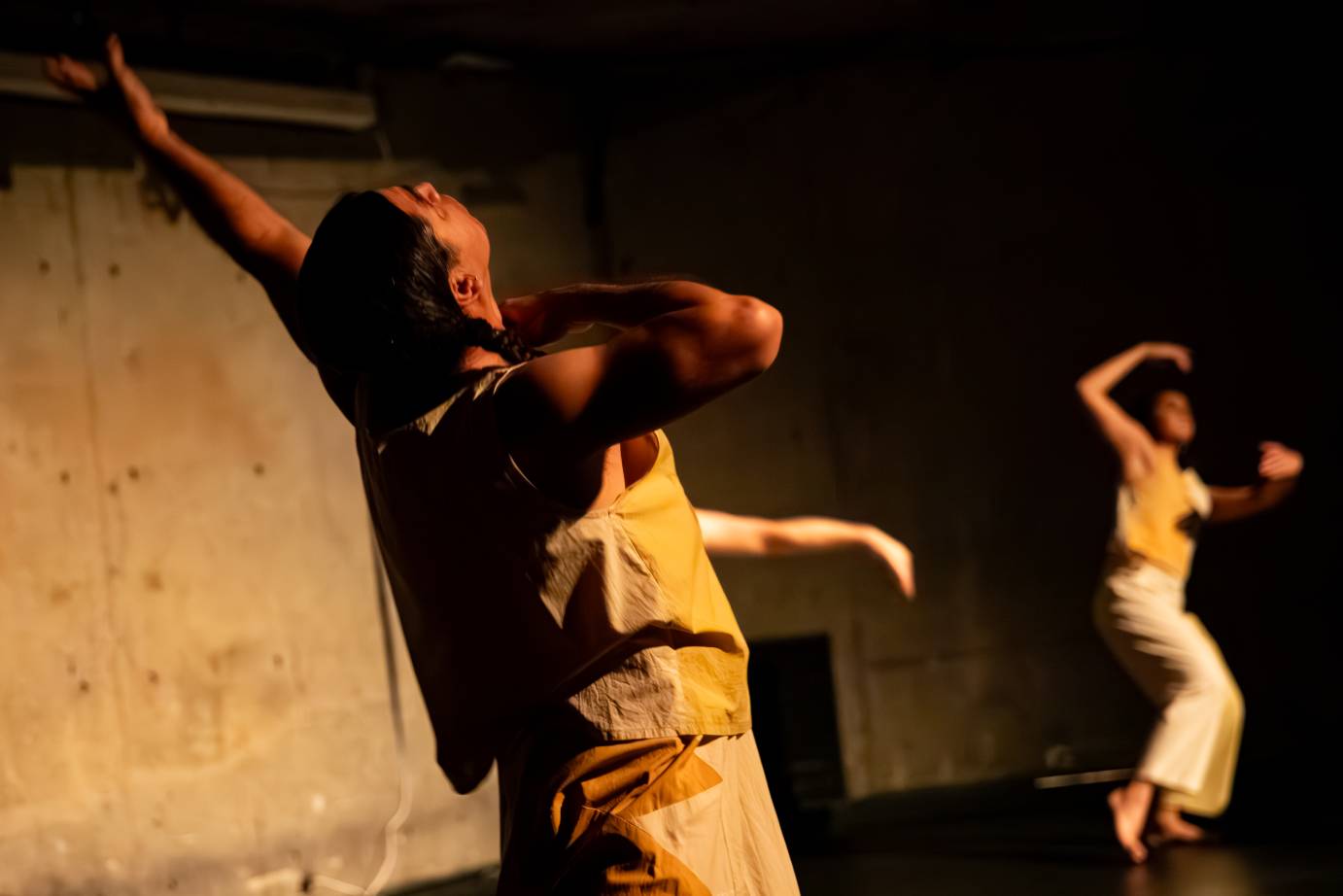
Dance forms abounded in rich juxtapositions on Friday’s Program A. Rosy Simas’ Bare Hill conjured a meditative sphere for five figures who slipped between shadow and silhouette in a soft yet purposeful movement ecology. Curved and rooted movements resonated with the rounded tones and natural elements of the soundscore as the dancers stirred their individual worlds together across space.
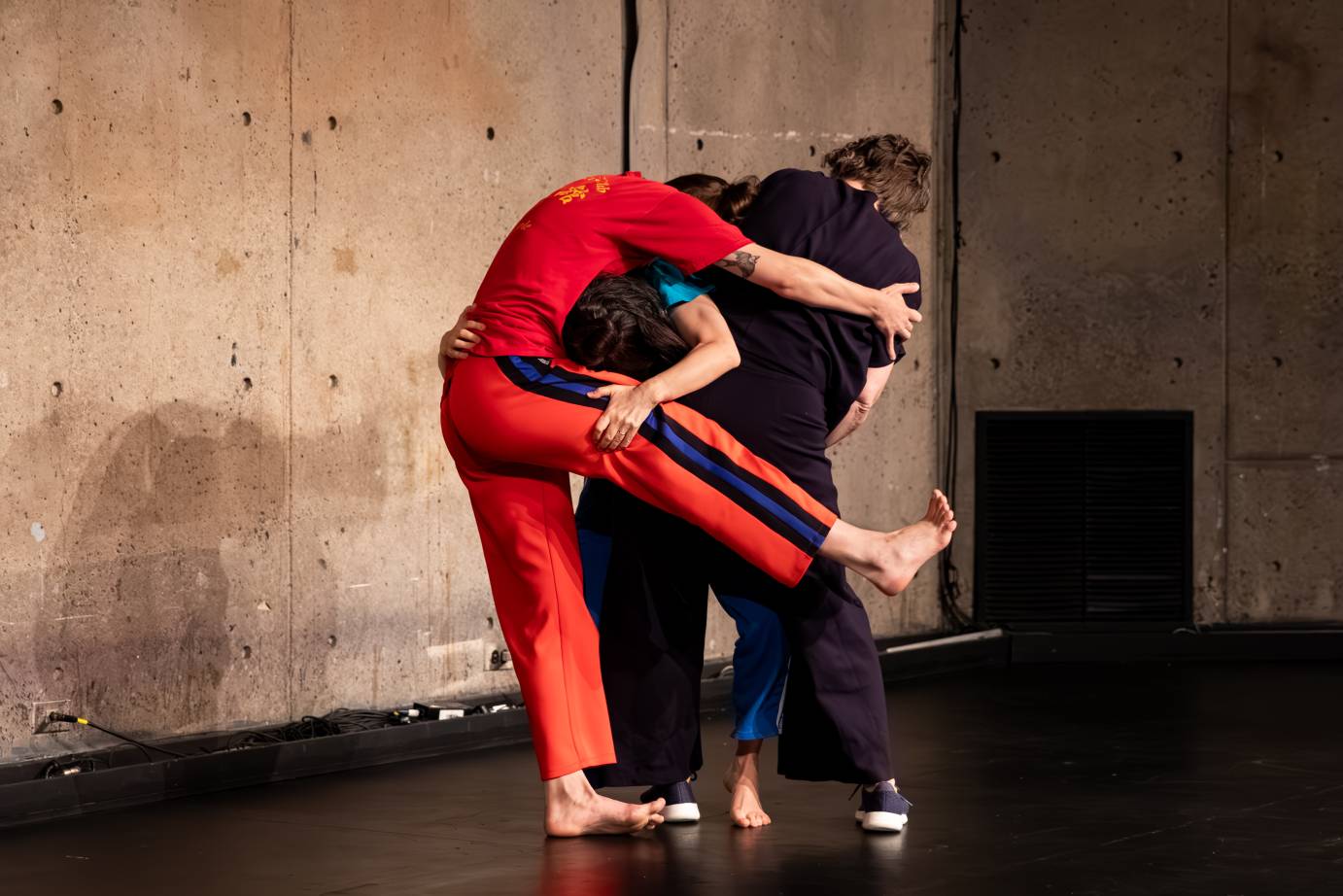
Nami Yamamoto, a Mix veteran, presented Future Memory, a quartet that held attention through its performers’ observant stillness and gestural clarity. Architectures of sensation built patiently into tender entanglements and outpourings of liquid floor work that shifted just as readily into bursts of rhythmic unison and strange, quiet intimacies.
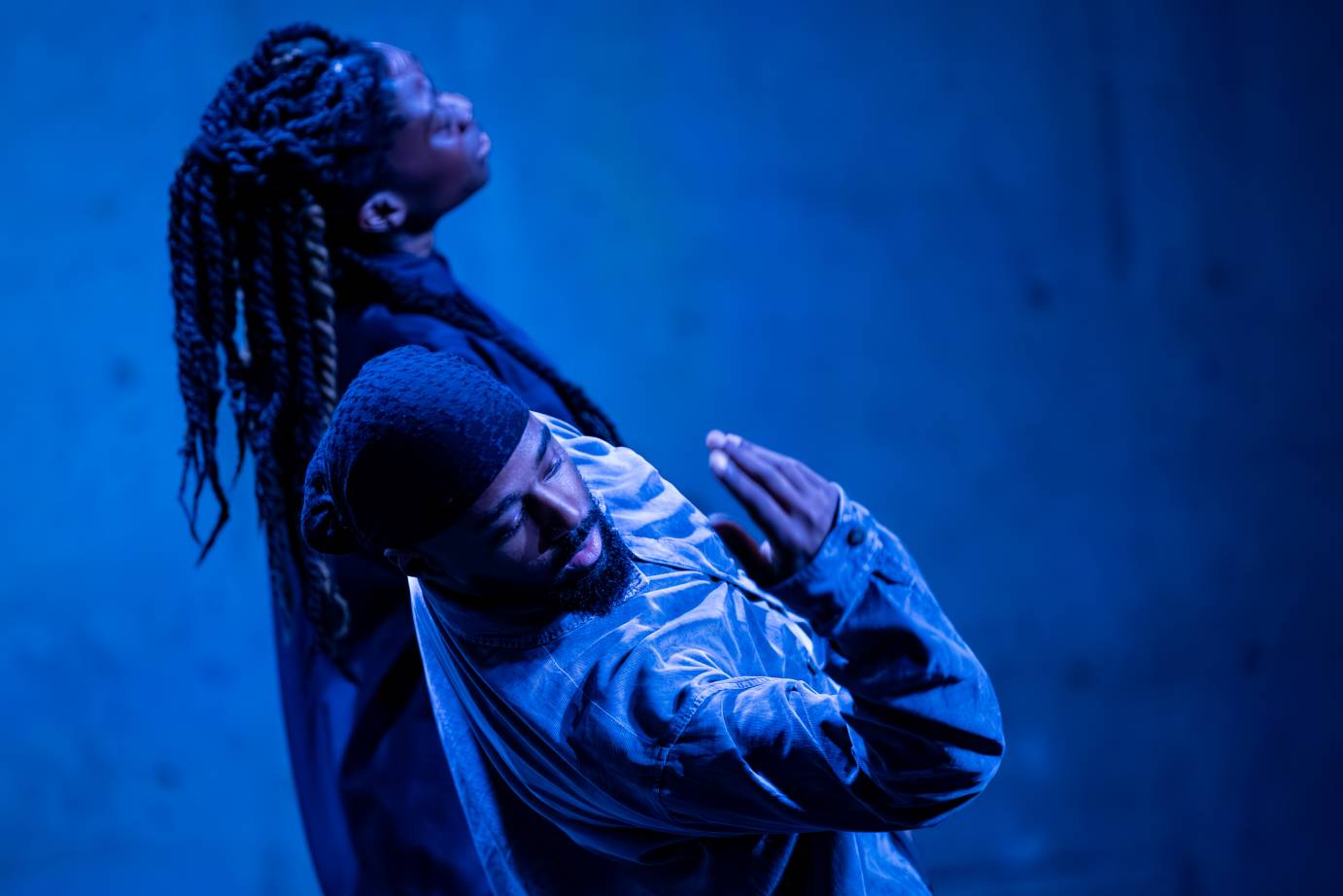
Tatiana Desardouin and K’niin Abbrey brought the program to a rousing conclusion with RESONANCE, a duet that transcended the many shades and meanings of virtuosity through a potently luxuriant fusion of hip-hop and house dance vernaculars. While the duo might have easily leaned into their showstopping potential, the moody, simmering arc of the work highlighted the dramatic sensibility of their masterfully syncopated dialogues and counterpoints.
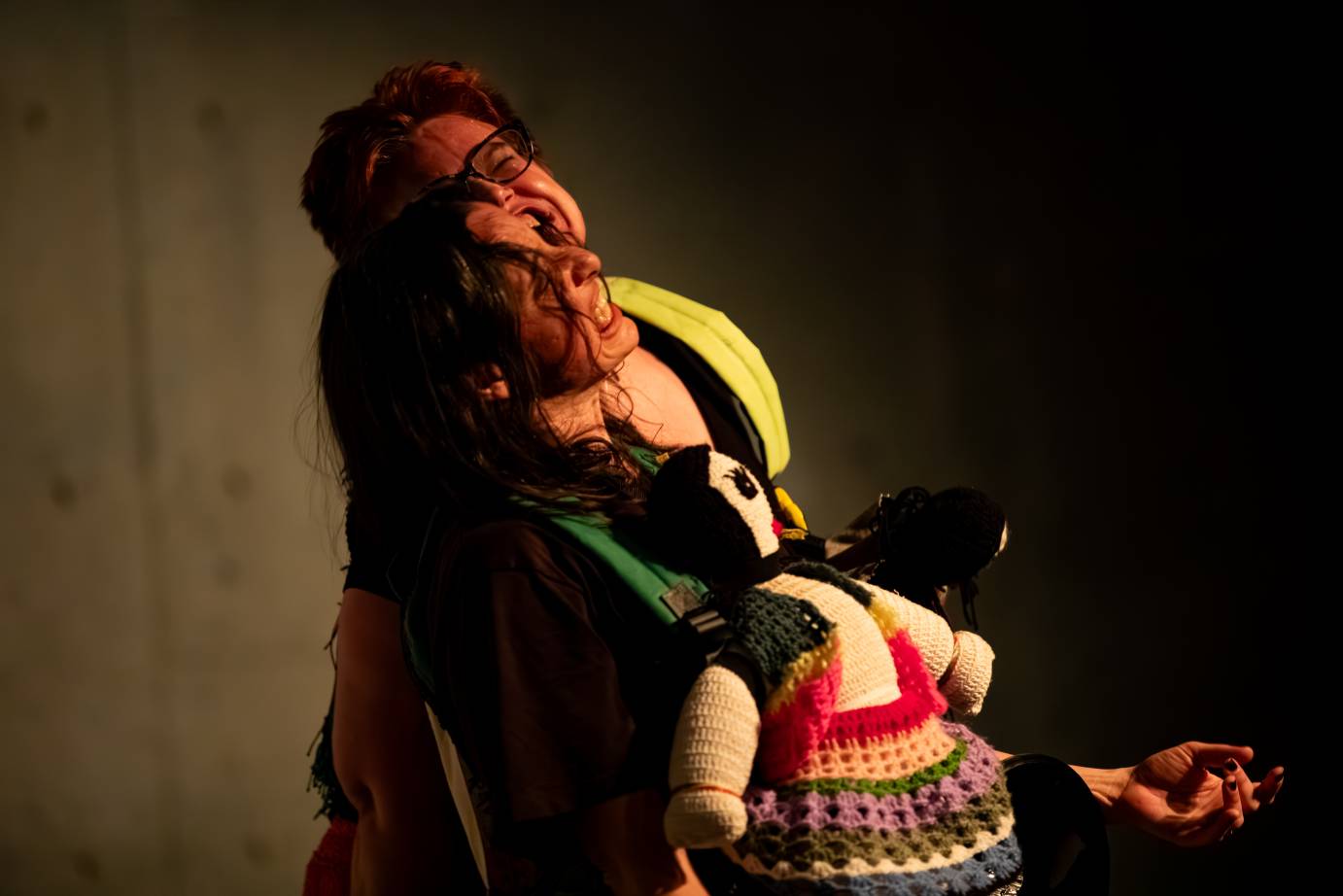
Friday’s Program B edged further into interdisciplinary theatricality as artists raised their voices in tandem with their bodies. Christopher Unpezverde Núñez’s duet Cadaver Dog deployed movement as a catalyst, amplifier, and foil to a fragmented cacophony of text and sound that vibrated with urgency. Bullhorns with embedded spotlights evoked protest and surveillance as the performers unleashed visceral torrents of effort, grief, frustration, and catharsis.
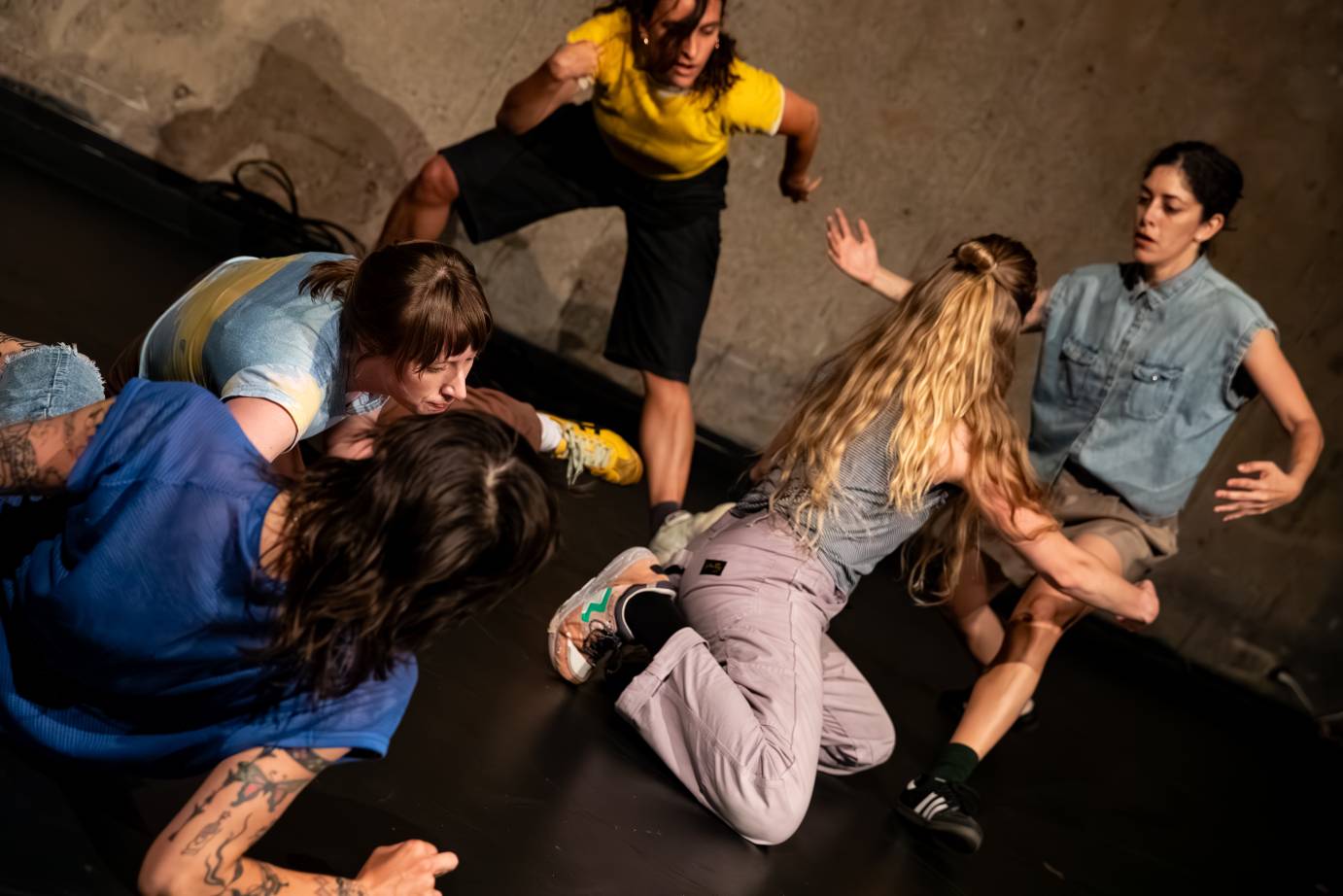
James Barrett at the 2026 Performance Mix Festival. Photo by Elyse Mertz
The serene playfulness of James Barrett’s Panoramic Fashion built an imaginative sound environment through the tuneful collectivity of its five performers. A toy car’s tiny headlights cast shadows across a rolling landscape of bodies that whistled and whooshed it along. As they rose to brace themselves against unseen forces, the performers coalesced in songs of delicate harmonies that mused meanderingly on the mundane wonders of being in a body.
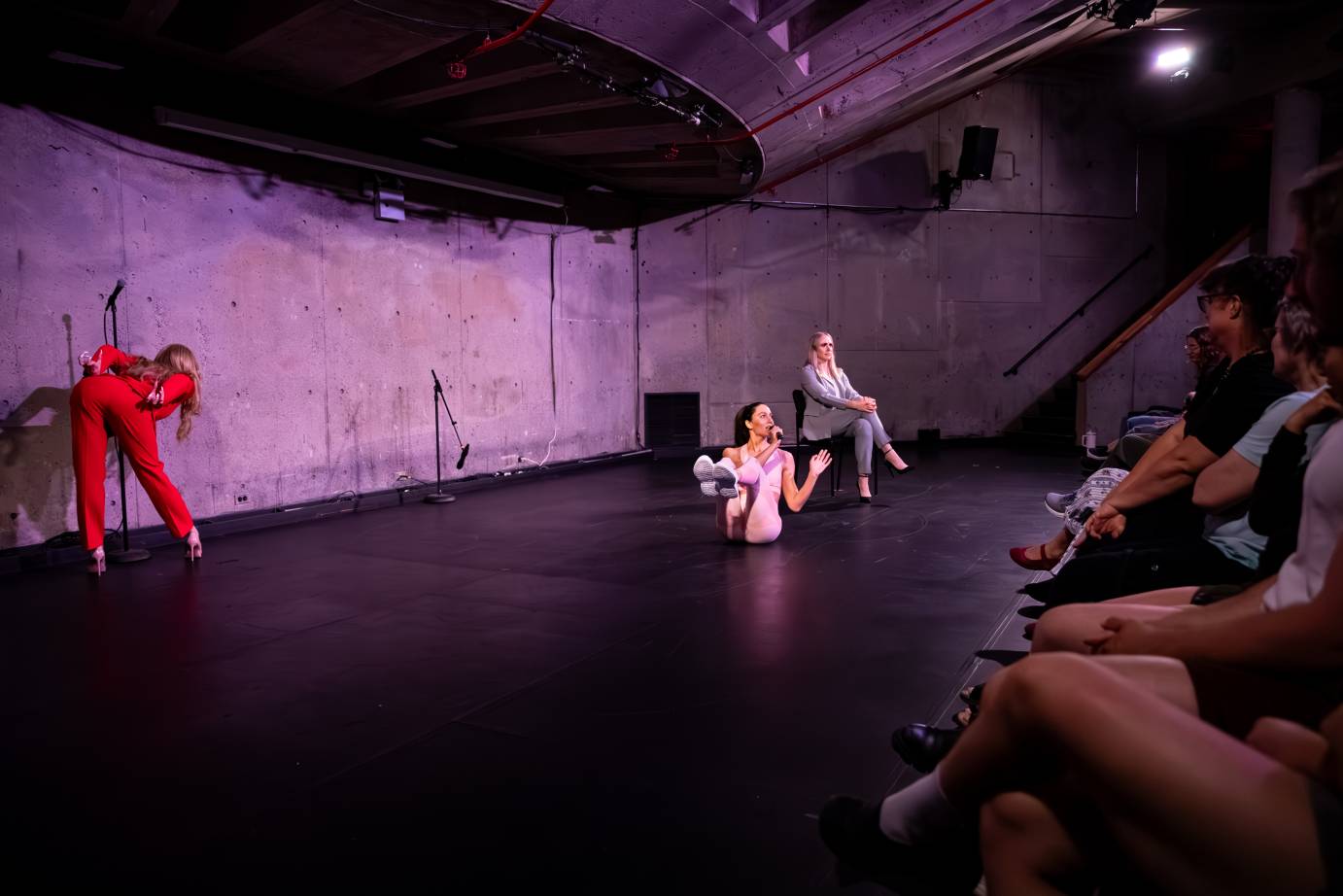
Stacy Grossfield extended her political studies of womanhood in redux, a trio of interweaving monologues delivered with stunning clarity and commitment. Drawn from actual speeches and interviews by high profile conservative political figures and influencers, Grossfield’s treatment of the material — down to the characters’ skintight workout apparel, crisp pantsuits, teetering spike heels, and resplendent wigs — honed in on the twisted absurdities and grotesquerie of image-driven political propaganda.
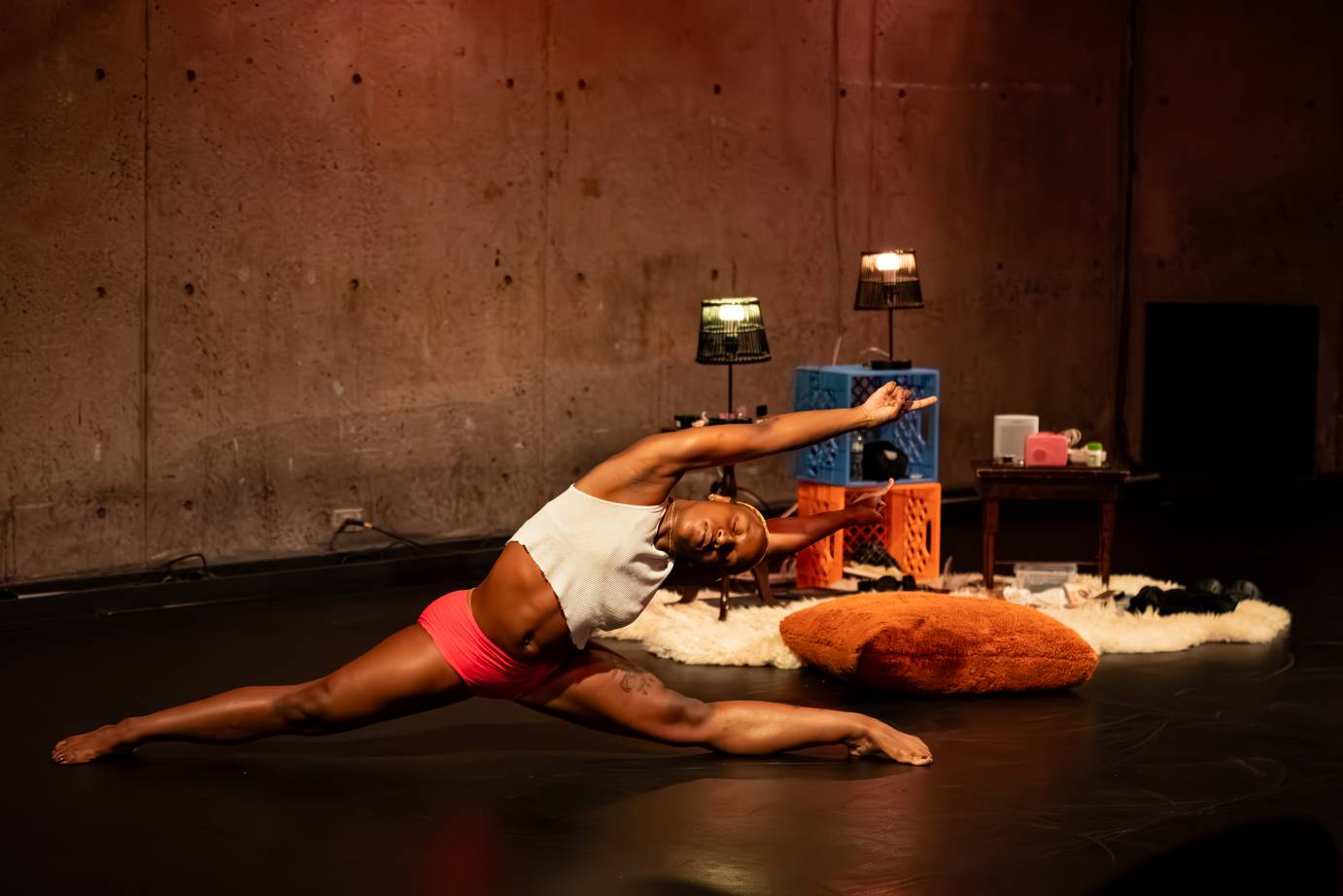
Imani Gaudin/gaudanse's new york, please. Photo by Elyse Mertz
The four programs on Sunday, June 7th were dominated by solo and duo works. Solos leaned into the personal, with Ime Soul and Imani Gaudin offering deeply introspective, at times gutwrenching, glimpses into the weight of their lives as New York City artists: their intense loneliness, financial pressures, and creative struggles. The two channeled their stories through expressions of raw physicality and poignant text, with Gaudin’s poetic new york, please staged in a capsule of domesticity, while Soul’s gasping, recursive pleas in Scripts We Learn and Lines We Misremember built to a fever pitch of crisis to shape a larger social statement.
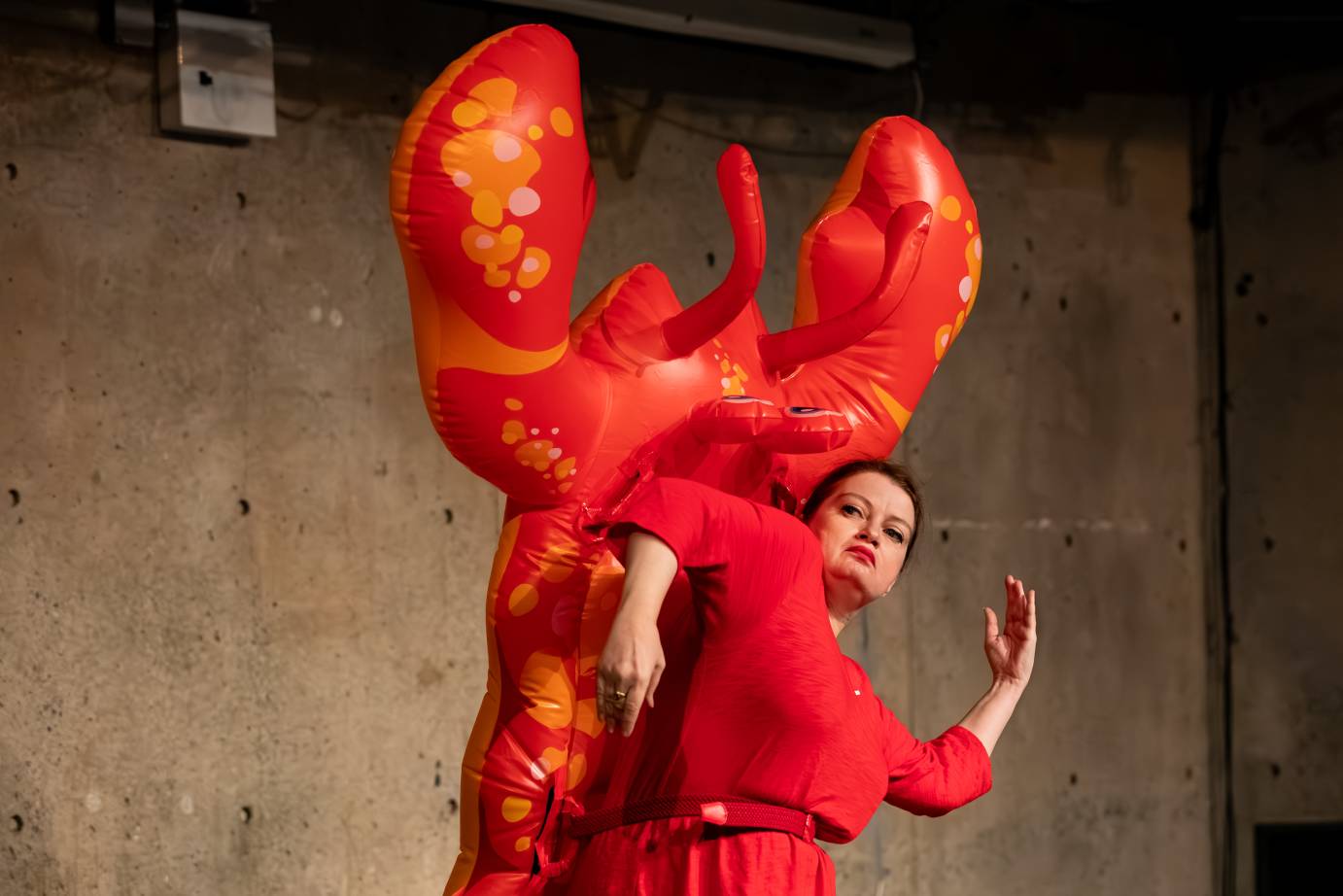
Anya Liftig took a slyly comedic route to her confessional solo Animate/Inanimate, which she delivered while strapped to a seven-foot-tall lobster-shaped inflatable pool lounge. Liftig transcended absurdity to face her fears through frank, unencumbered storytelling, while Morgan Gregory took a more obscured approach to her negotiations of nervous tension in NEWNEWNEW. Through glimpses of movement and mumbled snatches of text, Gregory continually slipped in and out of legibility, engulfed in shifting darkness and a roaring cloud of sound.
Emilio Wettlaufer eschewed words entirely in This of Mine, moving through a solo built on disruptions of space, orientation, and gravity: climbing on the floor, walking along the wall. With his face swathed entirely in a bandana, the eerie anonymity of Wettlaufer’s persona lent his movement an uncanny edge. Three short films by Jil Guyon — two shot on location in majestically desolate settings and one generated with A.I. — were studies of the solo form that explored elemental and psychological themes as visual interludes between performance works.
The duets on the programs, each more different from the last, touched on the endless chemistries available between two bodies in motion. Satoshi Haga and Rie Fukuzawa’s Higan - The other shore explored tension through a sculptural expanse of black fabric that morphed to conjoin, swallow, or entwine them in expressive tableaus; they floated white-faced puppet heads from within the fabric’s folds to otherworldly effect. Molly Ross’s Plaid Ashley opened with a gloriously showy solo for Patrick Ross, whose loose, rangy physicality displayed a keen fluency across disparate registers of movement. The pair duetted marvelously through the insistent rhythms of boxed repetitions and mutual orbits that hurtled them around the stage to slingshot them into the dark.
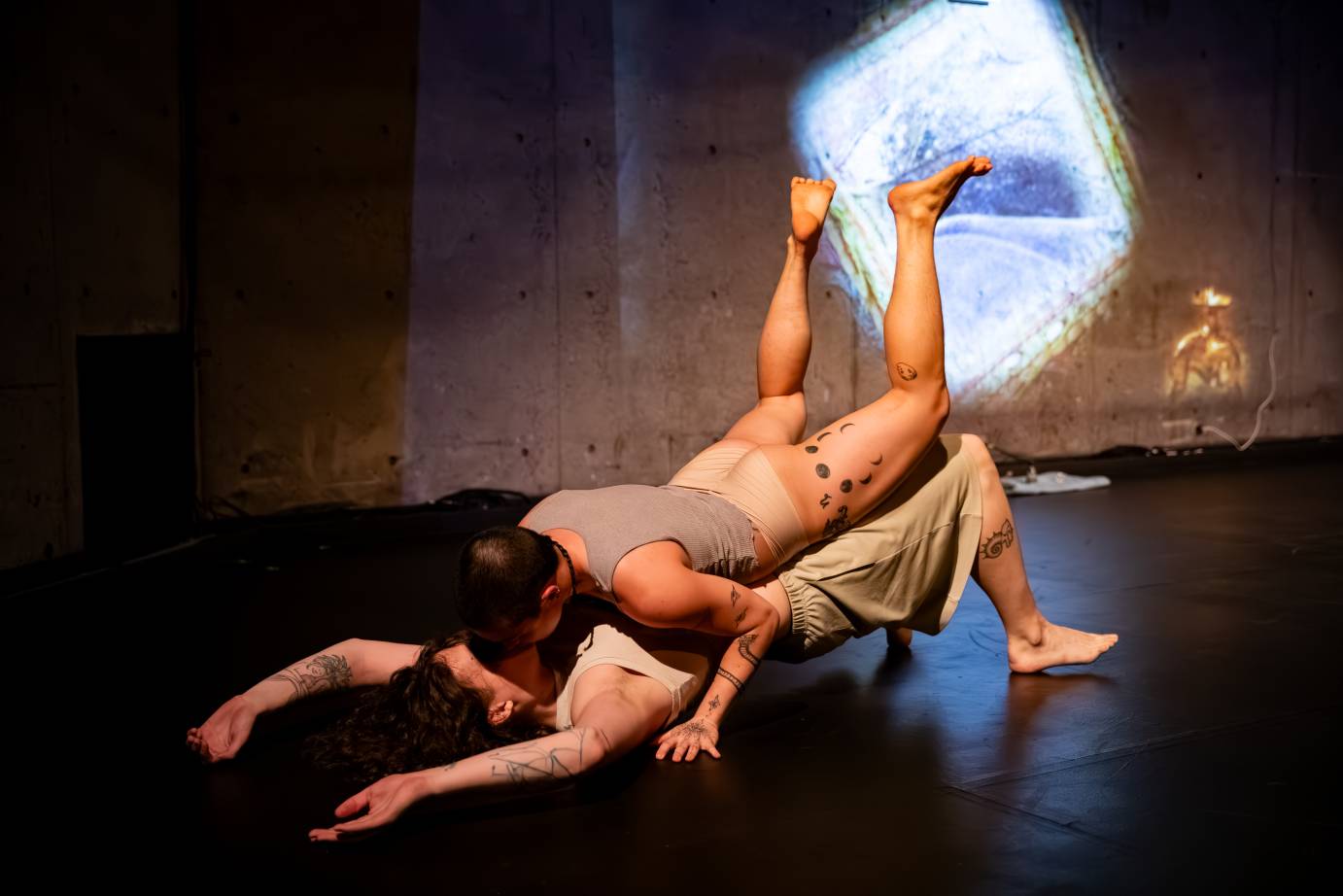
Firmness and tenderness lived alongside one another in Akane Little and Benja Thompson’s (softspells). Their shared explorations of gravity and weight took shape through cycles of support and surrender, echoing the textures and symmetries of projected images from the natural world.
In dulzura, sagrada y hambrienta, Natalia Fernández, performing alongside her near-doppelgänger Cara Marguerite, crafted voracious unison phrasework dotted with spiky counterpoints and stark posturing.
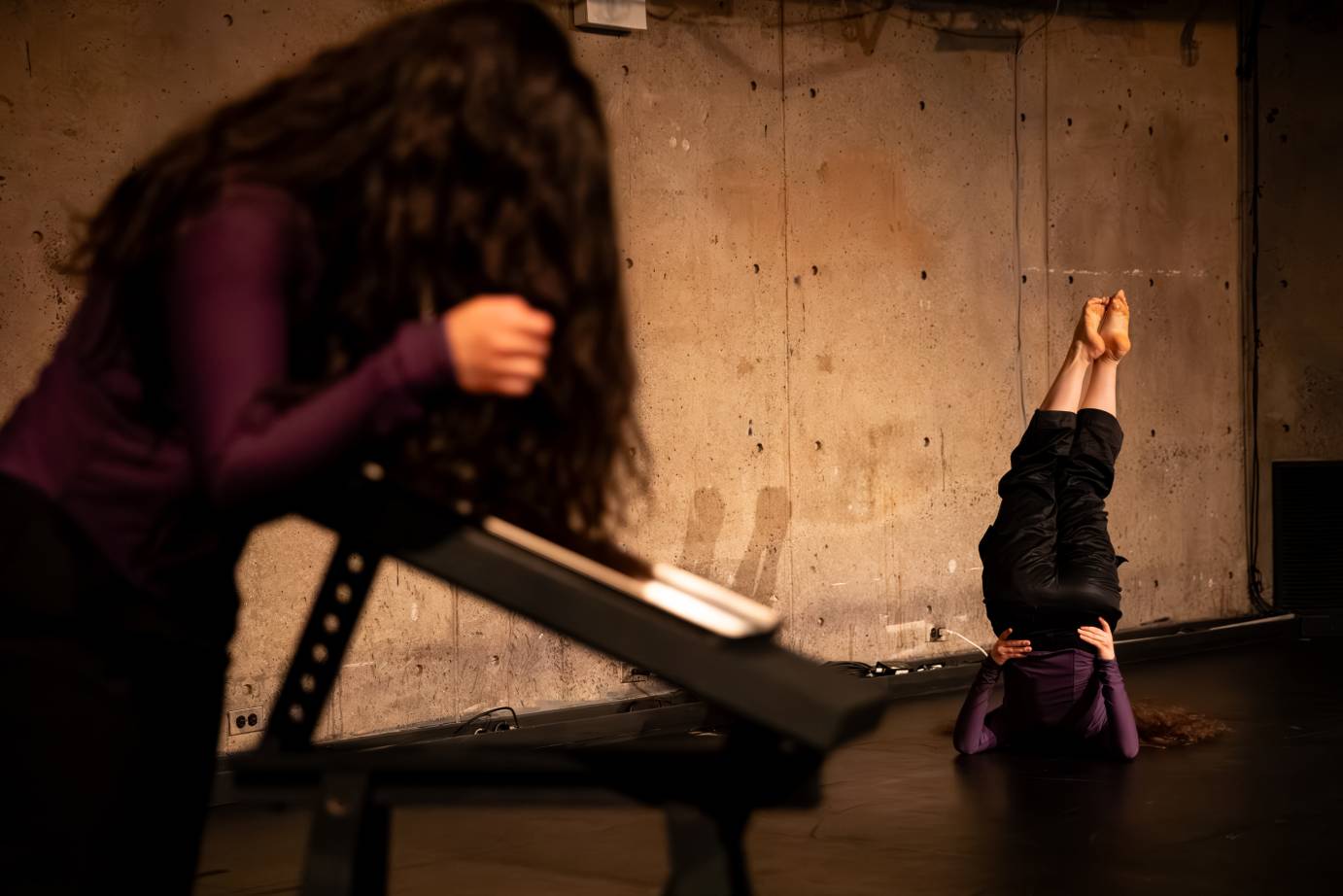
Two works on the Festival’s final program stood out for their interdisciplinary expressive range. Kat Sotelo’s side-splitting trio I AM THE BEST SLUT IN TOWN exploded onto the stage full-out and with all the feelings. In long sequined gowns and gigantic, unruly bouffant wigs, Sotelo, Gigi del Rosario, and Francesca Fernandez played a girl group gone wild, prancing and preening through hardcore parodies of bubblegum pop. The gloriously messy chaos, at times obscured by wheeled panels of gold lamé curtains or mediated through a camera at the back of the stage, simmered with incisive commentary on the image-driven feminine sphere: beauty, fury, and cutthroat competition to be crowned, yes, the best slut in town.
If you’re curious, you can catch IS THIS BEAUTIFUL OR AM I TIRED? in the amphitheater at Domino Park as part of the SUGAR SUGAR! Festival on June 24 and 25th.
Marie Lloyd Paspe’s FRAGMENTS offered a study in contrast: a multidimensional ode to ancestry that was as full of memory and reverence as it was vibrating with undercurrents of grief and rage. Paspe embodied resistance and reclamation through sinuous, elastically weighted movement, amplified by a modular sculpture of crumpled paper and netted textile that she stretched and tangled around her. The sound of heavy rain chimed with her bell-like voice, which she looped and mixed into tapestries of abstract harmonies and intimate poetics that seemed to pluck snatches of stories from the wind.
The final performance of this sublime experimental marathon went to Anh Vo, whose Untitled (waking up on a sunday) extended their ongoing study of Vietnamese music and movement forms in their exhibition Song and Sex: Before the Revolution, which runs through June 21st at the Participant Inc gallery. Perched at the side of the stage, Vo sang and played the phách, a wooden rhythm instrument used in Ca Trù, a traditional chamber music form they are studying to reclaim through queer ancestral presence. Their incantations dripped out word by word, searing in meditative rhythms undergirded by the percussive rap of wood on wood. Dancer Justin Cabrillos emerged in a slow, whirling dance that accumulated and shed layers of history — rageful, mournful, gorgeous, and forgotten — in their continual spin toward the inevitable, almost grateful, disintegration of death.
Through this exhaustive (at times exhausting) abundance of experimentation, Performance Mix showed artists resisting and defying structures of power to find and share the many forms of expressive release available in performance.
For even more from the Mix (yes, there was more!), check out this behind the scenes look at seven artists’ offerings.