


Related Features
IMPRESSIONS: Experiments Abound — A Roundup of the 40th Performance Mix Festival
IMPRESSIONS: Works & Process Presents a Summer Preview of Jacob’s Pillow Dance Festival 2026

IMPRESSIONS: Youth America Grand Prix 2026 Gala — “The Stars of Today Meet the Stars of Tomorrow”

By Robert Johnson
View Profile |
More From This Author
Published on June 2, 2026
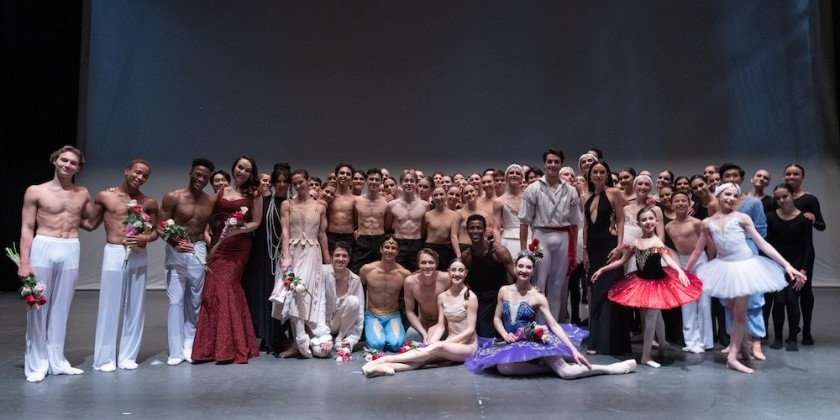
The Full Cast of YAGP '26; Photo: Jennifer Curry LK Studio
David H. Koch Theater at Lincoln Center for the Performing Arts
April 16, 2026
Dancers: Timofej Andrijashenko, Reece Clarke, Styles Dykes, Brady Farrar, Martin ten Kortenaar, Nicoletta Manni, Roman Mejía, Calvin Royal III, Polina Semionova, Christine Shevchenko, Braylon Browner
Choreographers: Mauro Bigonzetti, Sharon Eyal, Itzik Galili, Marco Goecke, Melanie Hamrick, Kenneth MacMillan, Abdiel Figueroa Reyes
Musicians: Maria Barakova, soprano; Yosef Kogan, violin; Philina Zhang, piano
Classical ballet has a reputation for exclusivity, yet in our democratic society art belongs to the masses. Attending the Youth America Grand Prix Gala, The Stars of Today Meet the Stars of Tomorrow on April 16th 2026 at the David H. Koch Theater at Lincoln Center, it was staggering to realize how many youngsters take their lessons seriously enough to contemplate a professional career.
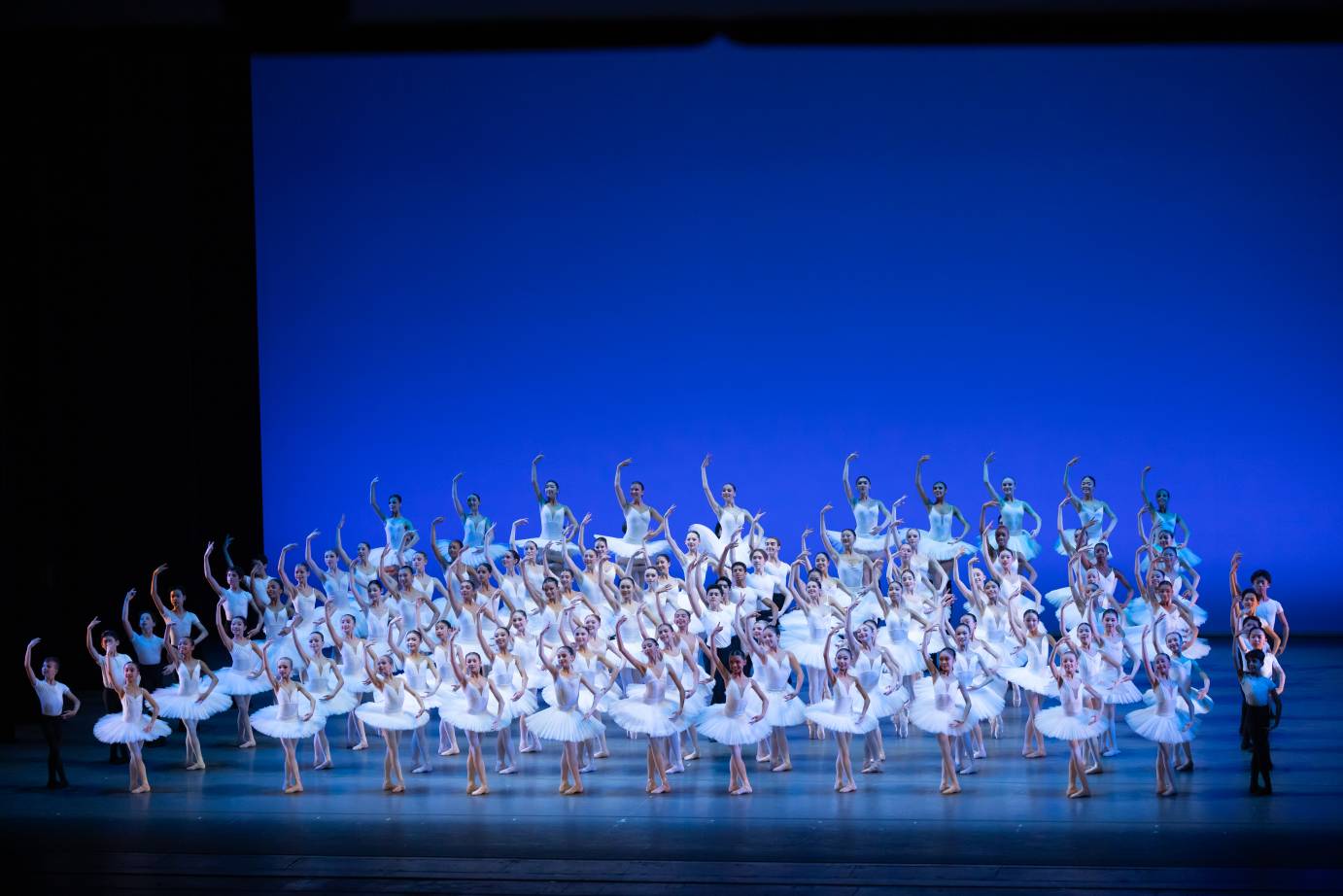
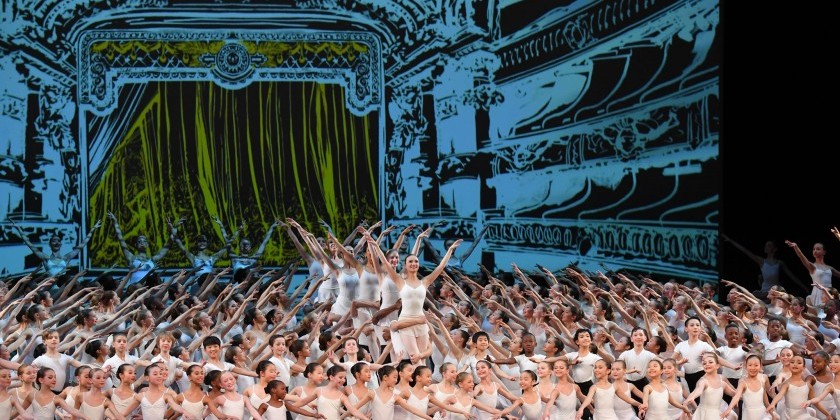
In a riff on Harald Lander’s classroom ballet Études, YAGP’s rehearsal directors packed the stage with 120 dance students from around the globe. Massed together, they produced a terrifying effect. Yet these kids represented only the thin, upper crust of winners. Contrast this pièce d’occasion with the real Études, which fields a cast of 42 dancers and by no means looks underpopulated. Even George Balanchine’s bustling Symphony in C deploys only 52 troops. Yet 10,000 hopefuls compete annually in the YAGP, according to the organizers. Evidently the profession can only absorb a handful of these hard-working, young dreamers. So, while we wait for our ballet companies to catch a funding wave, YAGP helps organize the scene. YAGP awards scholarships that funnel the most talented youngsters into prestigious academies, and it helps deserving kids get noticed.
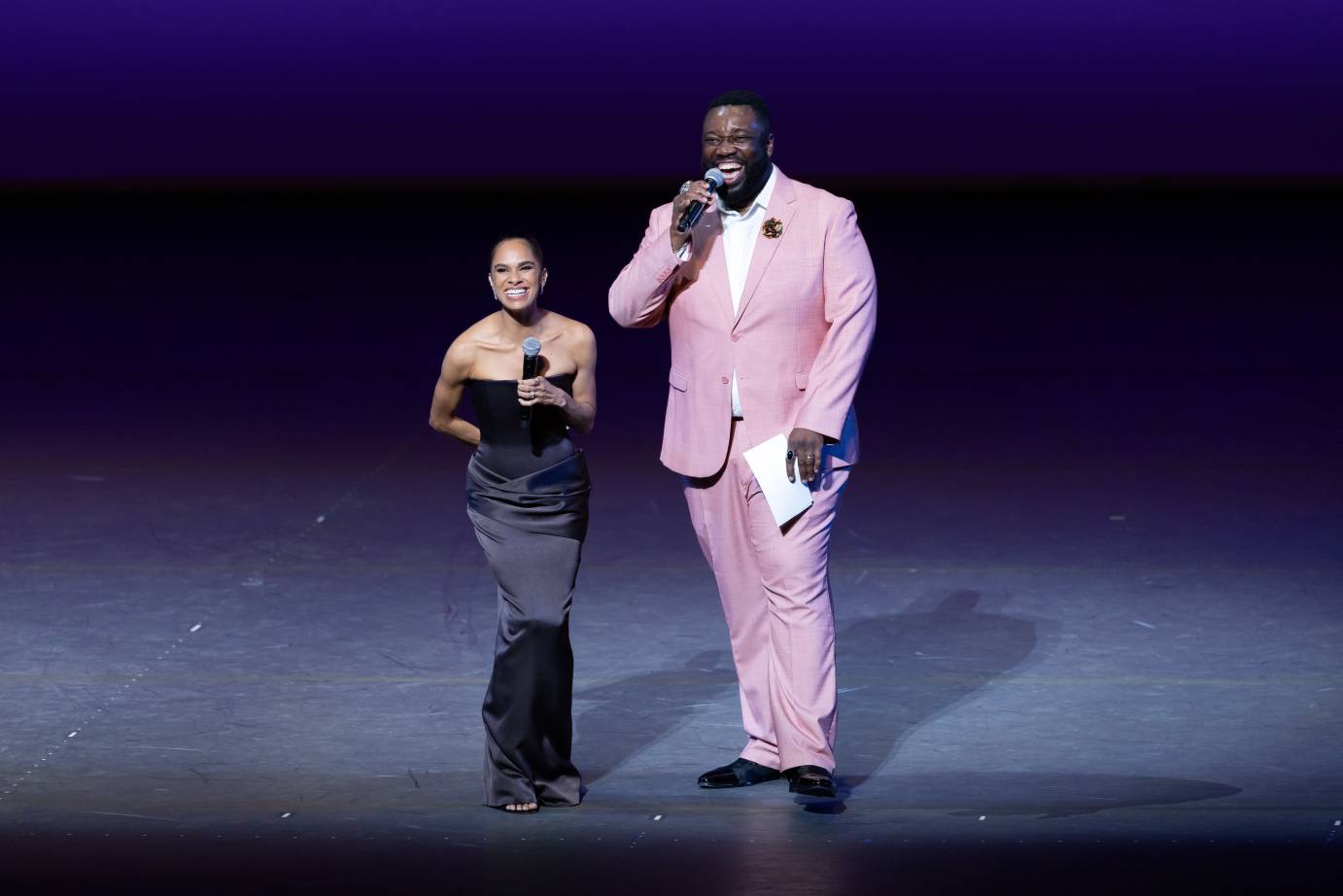
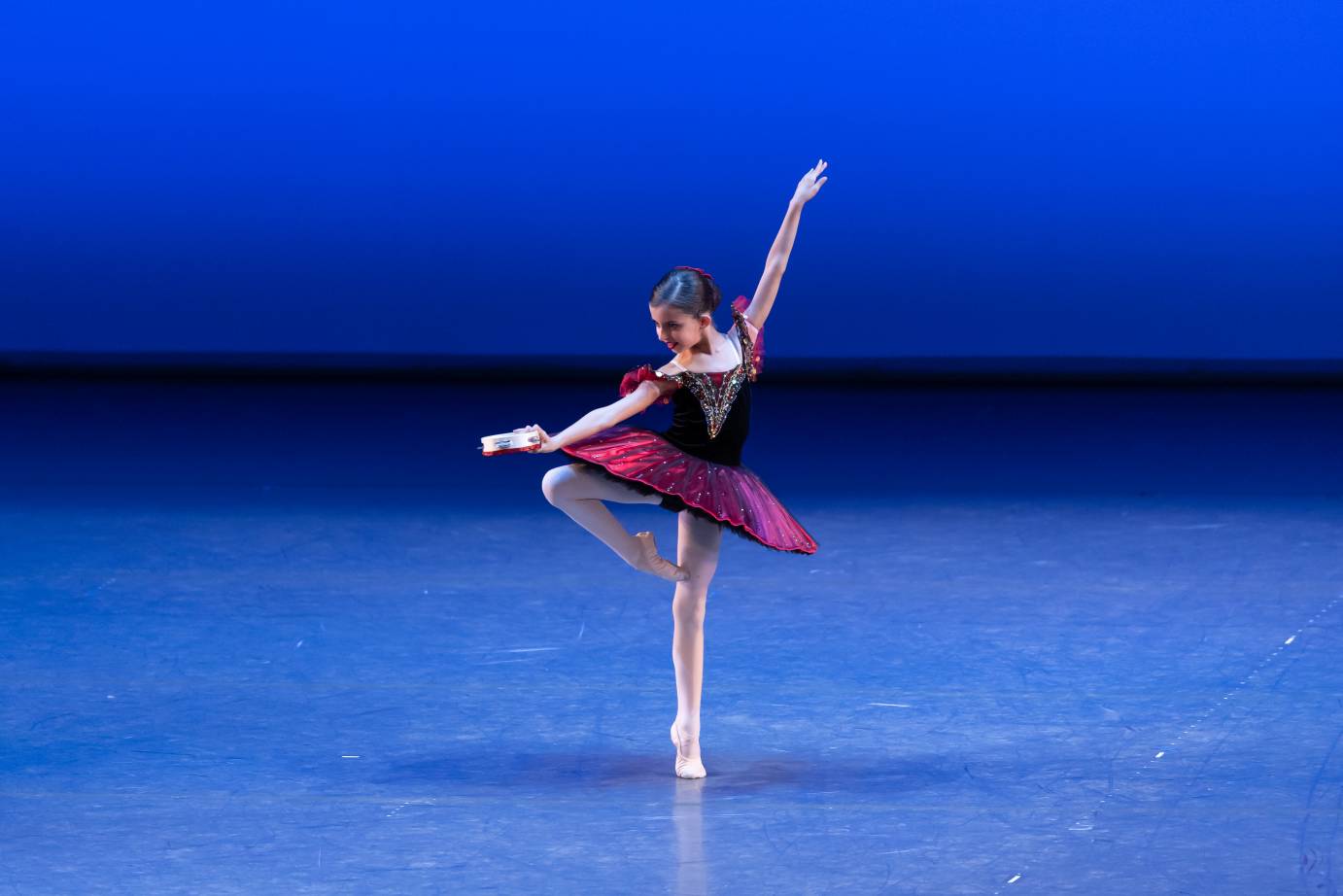
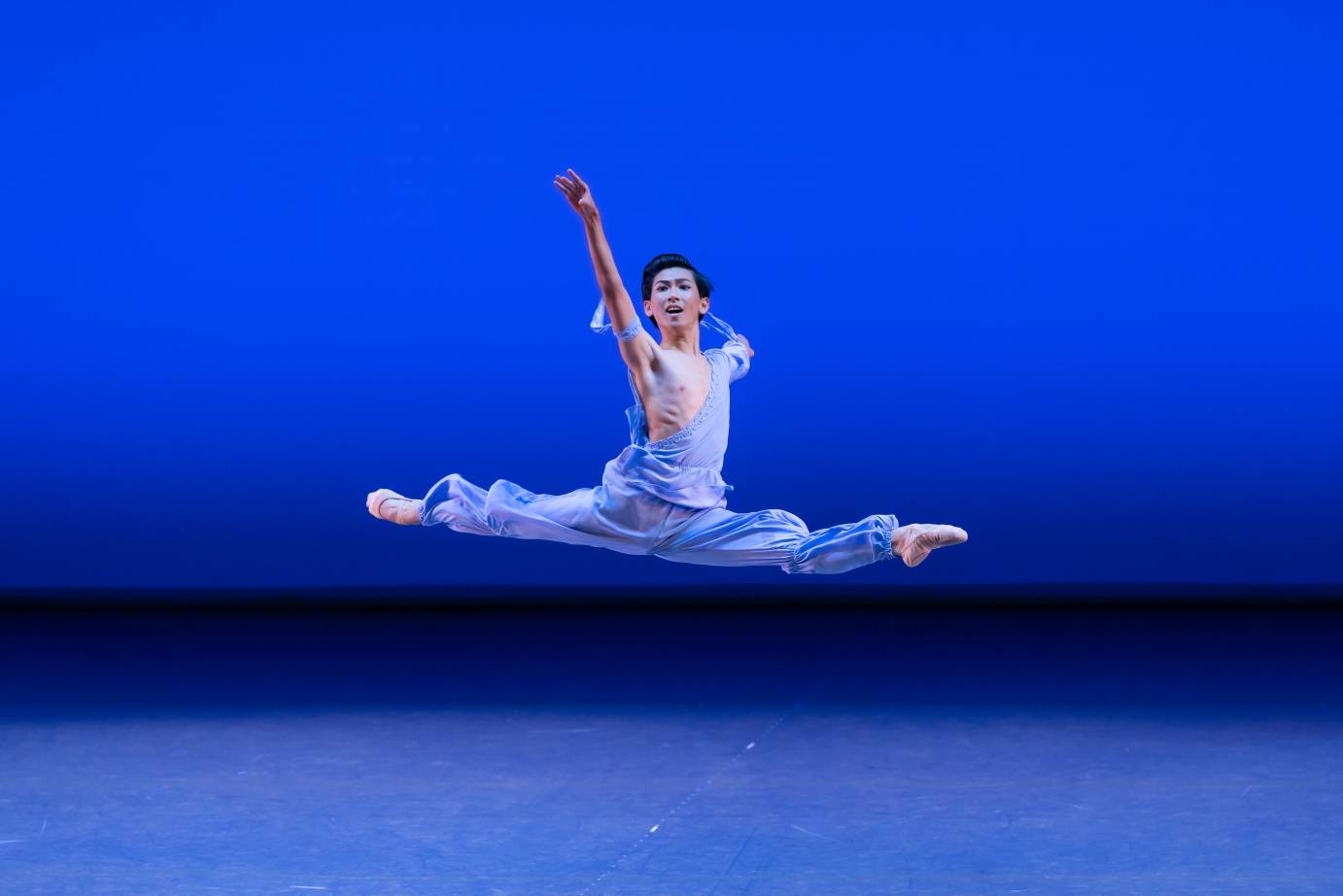
On Thursday, two of these laureates had the opportunity to perform solo on the opera-house stage. Following remarks by the ever-glamorous Misty Copeland and her sidekick, Tamar Greene, tiny Asya Subashi (age 8) stepped into the limelight in a variation from La Esmeralda. Though not yet on pointes, Subashi displayed luscious épaulement, and an effervescent personality. Best of all, this pipsqueak has the instincts of a full-grown ballerina — she goes for the jugular. Leon Yusei Sai (14) was a cooler character in his variation from Le Talisman. With effortless ballon, crisp “fifths,” and triple turns — and breathtaking modesty — this one is ready to sign a contract.
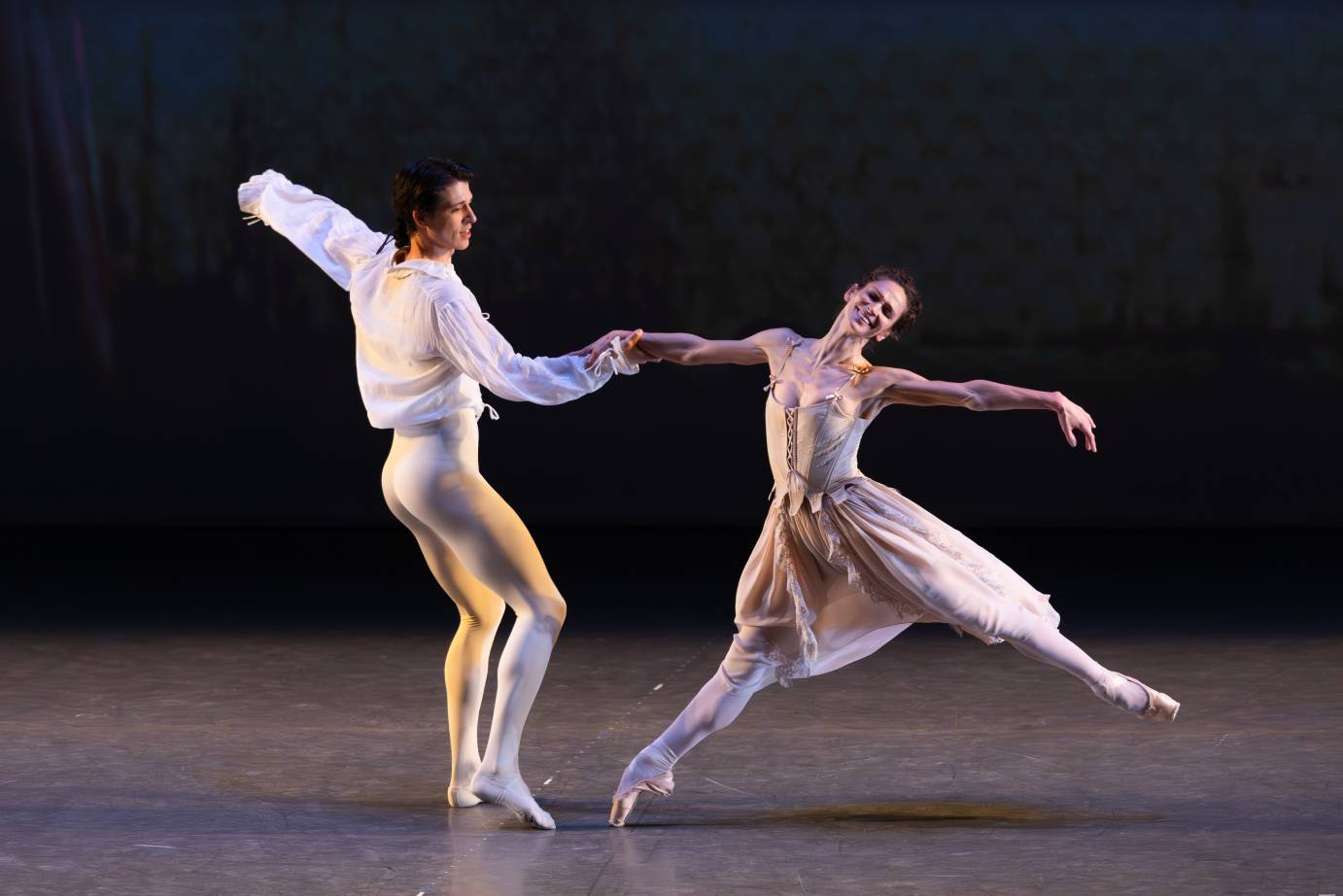
Guest star Polina Semionova embodied the ideal balance between technique and artistry to which these youngsters should aspire. Partnered by Martin Ten Kortenaar, her colleague at Staatsballett Berlin, Semionova swept through the first-act pas de deux from Kenneth MacMillan’s potboiler Manon. Innocently sensual, Manon provided a kittenish distraction as her lover, Des Grieux, sought to write. She twirled around him and stretched on the floor, loose and available. Perched on his shoulder, or curled in his lap, she showed off legs as sharp as calipers. In passages of windblown speed and intricacy, Semionova made her impulses appear divinely spontaneous.
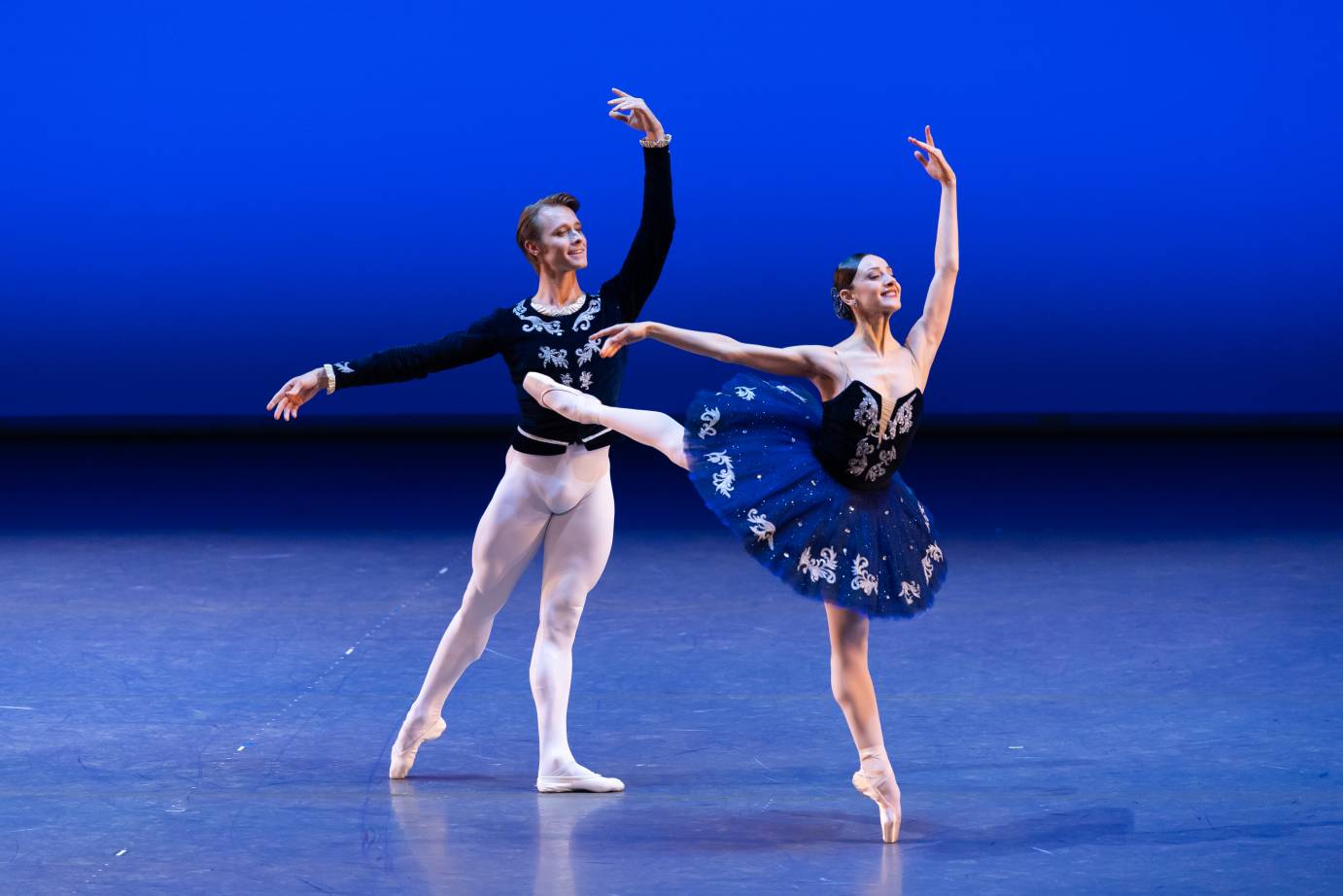
Competitions like to emphasize difficulties, however, in a way that isn’t always productive. A charming young couple from La Scala’s ballet company made their New York debuts in Grand Pas Classique, perhaps not the wisest choice. Nicoletta Manni turned securely, and Timofej Andrijashenko offered pillowy-soft landings. Yet they still lack the air of invincibility that makes Grand Pas Classique a triumph for steel-clad veterans. Later, the acrobatics of Mauro Bigonzetti’s stripped-down, foot-on-chest duet Caravaggio did even less for them. Flower Festival at Genzano might suit them better.
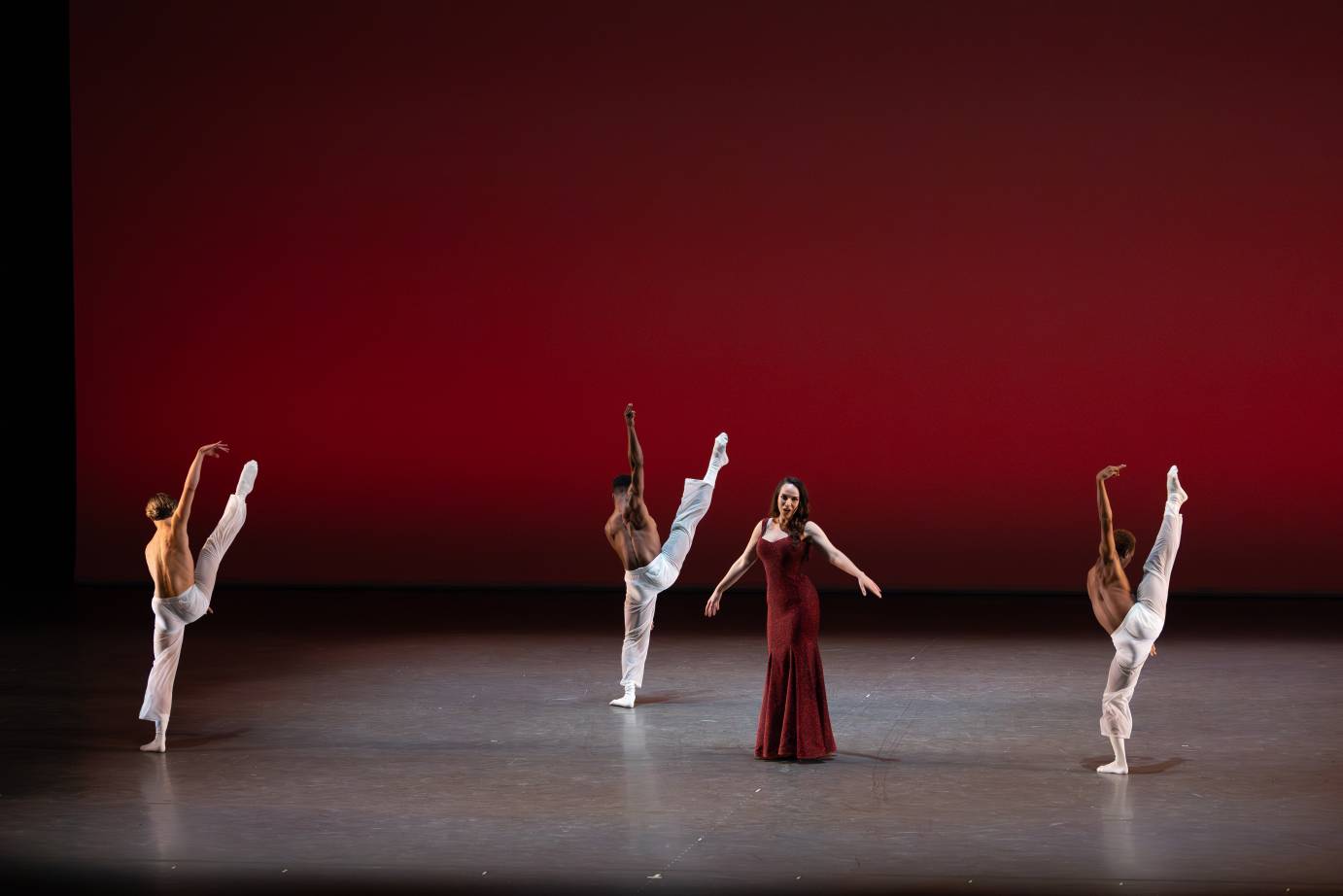
Why the organizers of ballet galas feel the urge to innovate is not clear. From a blob-like ensemble (Into the Hairy, by Sharon Eyal) to Marco Goeke’s soulless and mechanical All Long Dem Day (incredibly set to Nina Simone’s priceless rendition of “Sinnerman”), all the evening’s modern offerings failed miserably. Perhaps inspired by MacMillan, gala honoree Melanie Hamrick and her collaborator, Joanna DeFelice, ignored the rhythm of a Rolling Stones song to choreograph a duet of mindless, swooping exuberance. “Emerging” choreographer Abdiel Figueroa Reyes produced a Carmen in which three young men flexed and kicked, showing off sinuous moves and apparently competing for the title role with onstage singer Maria Barakova. Four Swans, Itzik Galili’s parody of Swan Lake,awkwardly imitated The Trocks.
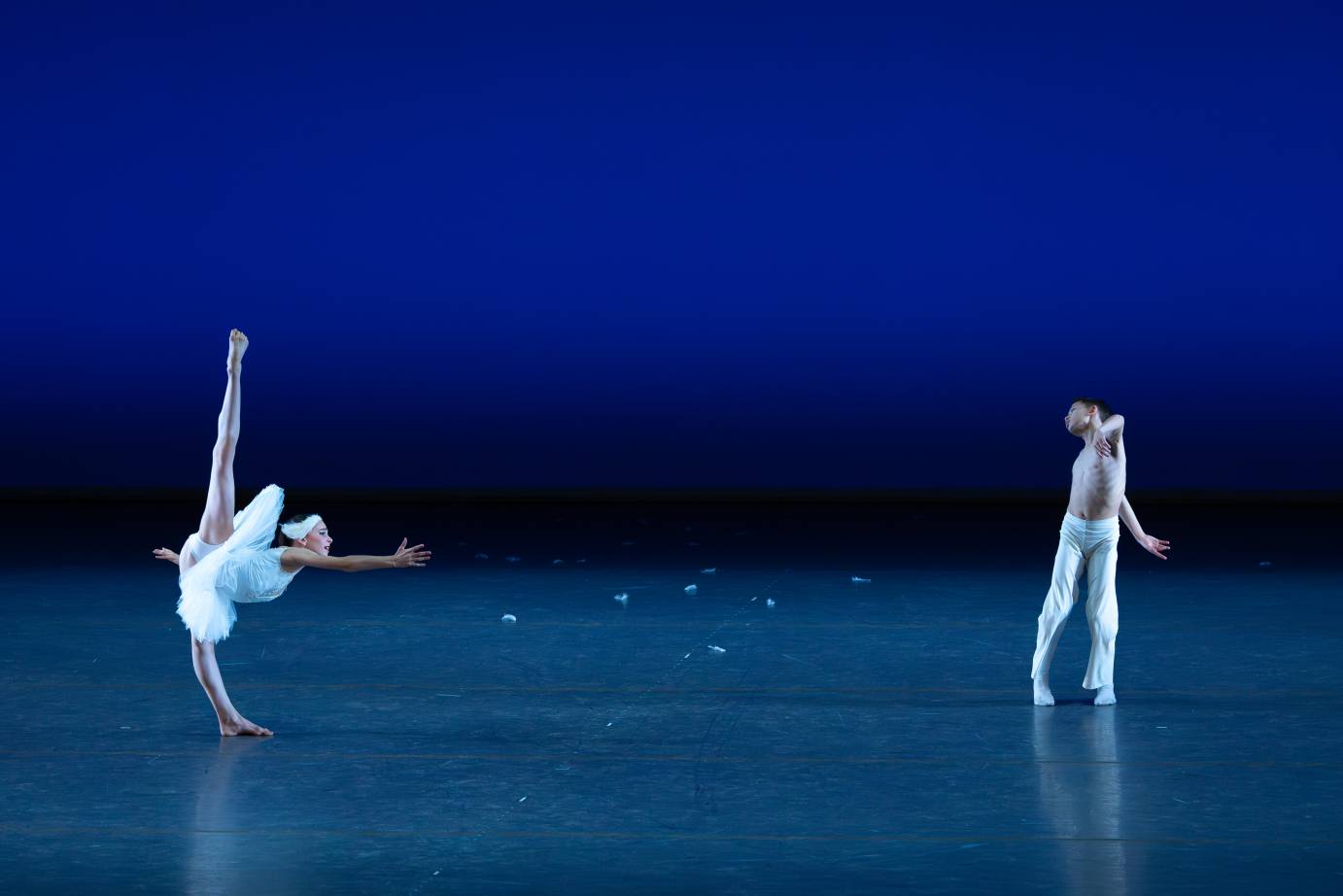
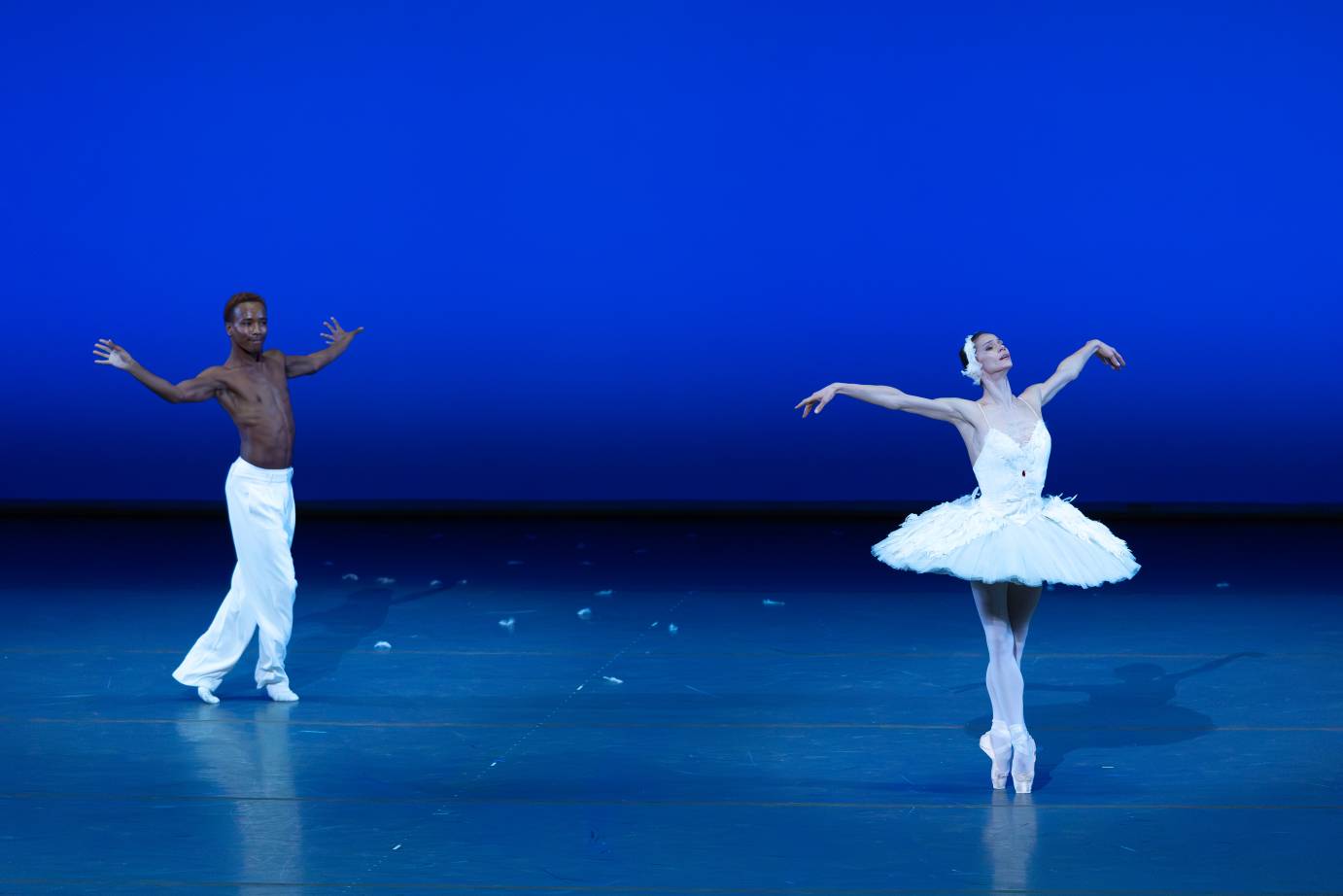
Nothing could be worse, however, than the vandalization of The Dying Swan, for which no one dared take credit. In this roadkill adaptation, the Swan was obliged to share the stage with a pair of hyperactive children, and with modern dancer Braylon Browner (not his fault). Regarding The Dying Swan as a virtuoso number, in which the ballerina’s fluent arm movements are a stunt, is a misconception perhaps traceable to jookin’ artist Lil Buck. No. The Dying Swan is poetry recalling the impermanence of beauty and pointing to the Shadow that encroaches upon our happiness. Tours de force are foreign to choreographer Michel Fokine’s oeuvre; and dividing our attention with side-by-side performances makes it impossible for the ballerina to project an atmosphere of all-embracing mystery. One could only admire Semionova’s professionalism here by closing an eye to the travesty around her.
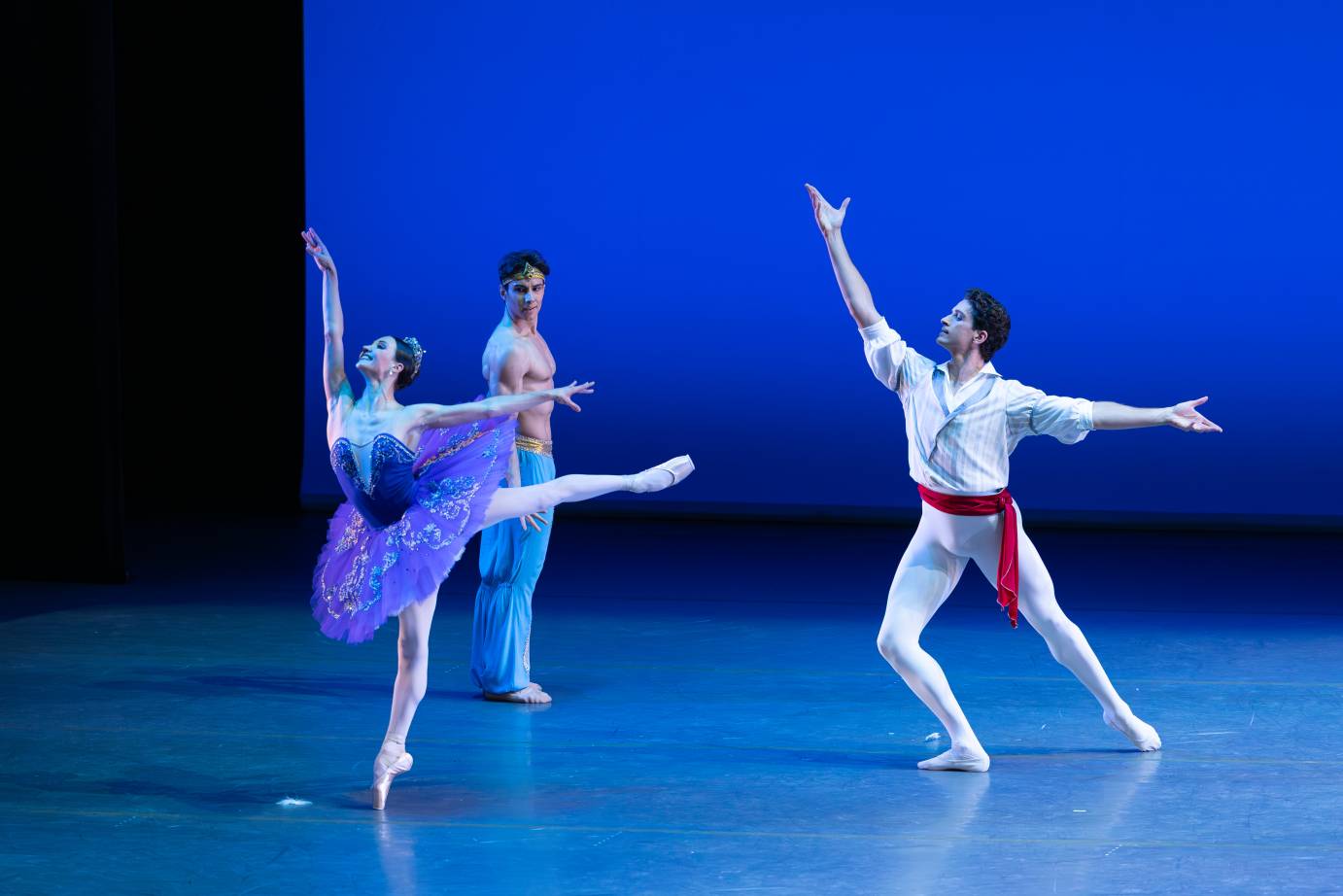
Fortunately, a trio of buccaneers from Le Corsaire sailed in to swab the decks. Christine Shevchenko, as Medora, bounded giddily between her handsome escorts, long-legged Reece Clarke, as Conrad, and flirty Roman Mejía as the bare-chested Ali. When presented as an excerpt, this pas de trois drops any pretense of expressivity, and becomes pure camp. The audience buoyed Shevchenko’s fouettés with rhythmic applause, and a good time was had by all. Mejía, a powerful dancer with the brittleness of some New York City Ballet types, may not have the lyricism of an ideal Ali; yet in the gala’s closing moments, during a reprise of the Études pastiche, he treated us to a rapid-fire series of perfect double tours. Bravo! That’s the stuff of gala greatness.