



Related Features
IMPRESSIONS: A Sunday in Spring 2026: Cathy Weis Projects’ Sundays on Broadway
IMPRESSIONS: Karley Wasaff’s "Growing Takes Time" at Noo Arts Wildflower's Green Roof

IMPRESSIONS: Yaroque Dance Theatre Presents "NOSEDIVE" at Arts on Site

By Miranda Stück
View Profile |
More From This Author
Published on June 8, 2026
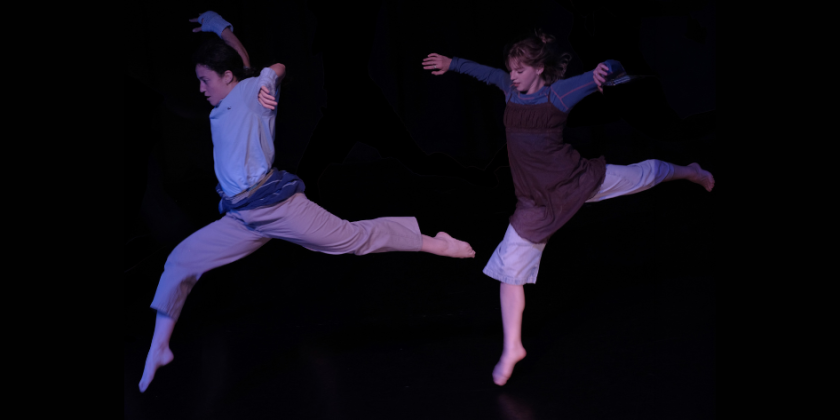
Yaroque Dance Theatre in "Mishegas." Photo: Samantha Derison
A Split-Bill Program with Works by Artistic Director Shelby Green & Company Members Anna Hershinow and Julia Asher
Artistic Director: Shelby Green
Rehearsal Director: Belleza
Mishegas
Choreographer: Shelby Green
Dancers: Julia Asher, Ashira Bloom, Rachel Calabrese, Chisato Fujii, Anna Hershinow, Skye Torado
Music: Meditation to Release Tension & Anxiety (Stress) by Stas, Bemotzaei Yom Menucha by Yosef Karduner, Ma She Baba by Hadag Nahash, Git Shabbos by Aharon Halevi, Babooshka by Kate Bush
Styling: Shelby Green
Last 2 Brain Cells
Choreographer & Dancers: Anna Hershinow and Julia Asher
Music: Moon on the Bath by Japanese Breakfast, x-ray eyes (extended trash can dub) by LCD Soundsystem, U Weren’t Here I Really Miss You (slowed) by Cult Member & Mia Martina, GOODBYE BITCH! by KAYTRANADA, You Belong To Me by Patsy Cline & The Jordanaires
Costumes: Roque Gil
May 14, 2026
Arts On Site, 12 St. Marks Place, New York, NY
Stepping into Shelby Green's creative mind is a transcendent experience. As artistic director of Yaroque Dance Theatre, Green draws audiences into an unfolding scrapbook, seamlessly blending themes of memory, community, tenderness, and identity into one absorbing evening.
NOSEDIVE, the company’s split-bill program presented at Arts on Site, featured original works choreographed by Green and co-choreographed by company members Anna Hershinow and Julia Asher. Yaroque Dance Theatre mixes themes of Jewish identity and community with adventures in young womanhood.
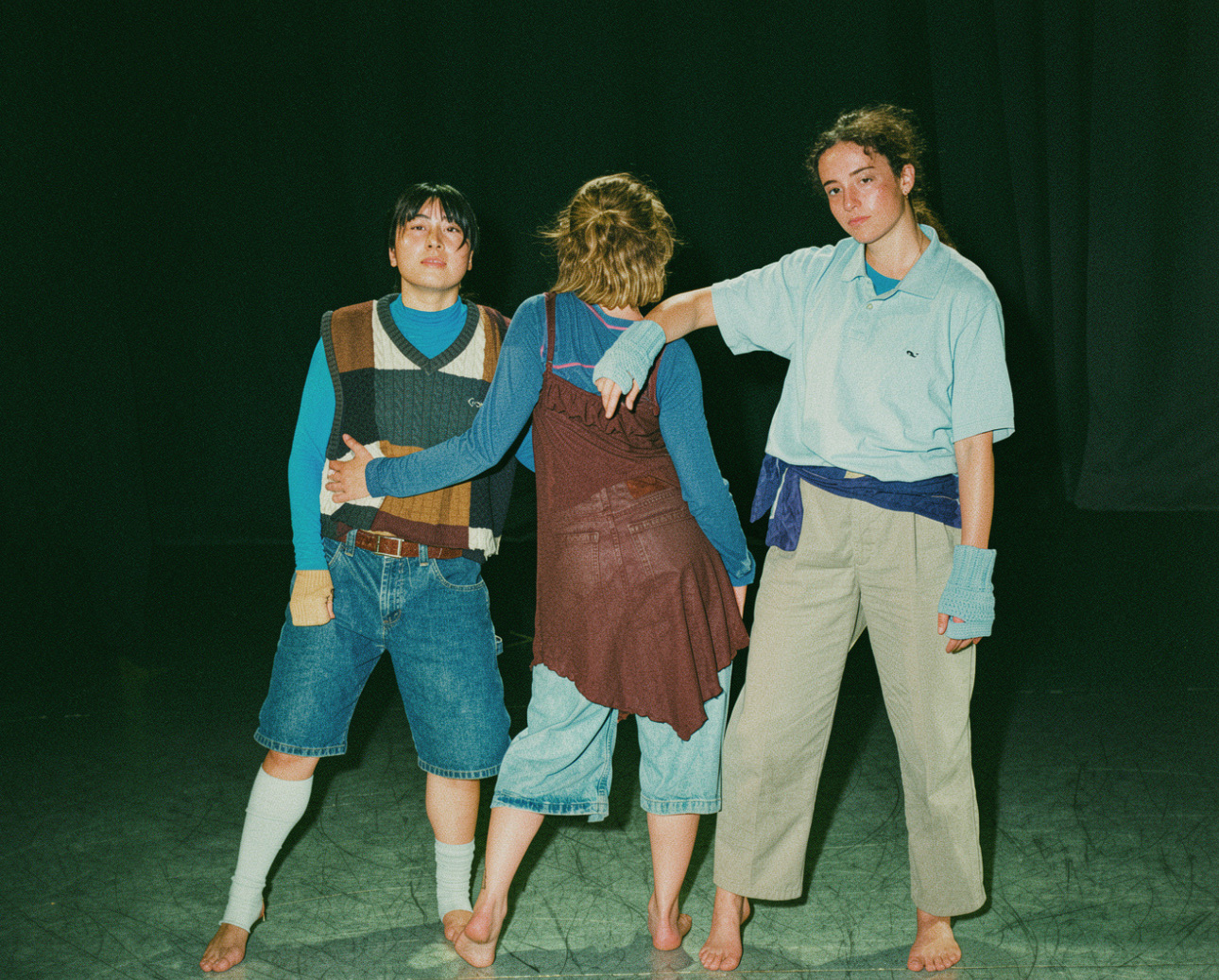
Opening the evening was Green’s Mishegas (the Yiddish term for craziness or madness), a movement meditation sharing reflections on Jewish identity, the pressures and powers of community, and what it means to “return home.” Mishegas, a complete whirlwind, whisks the audience through musical chapters, moods, and ideas. Green interviewed Jewish family, friends, and strangers as part of their research process, questioning how interviewees relate to the Jewish community and wondering at what point the religious community might shift from encouraging to corrosive to one’s sense of self.
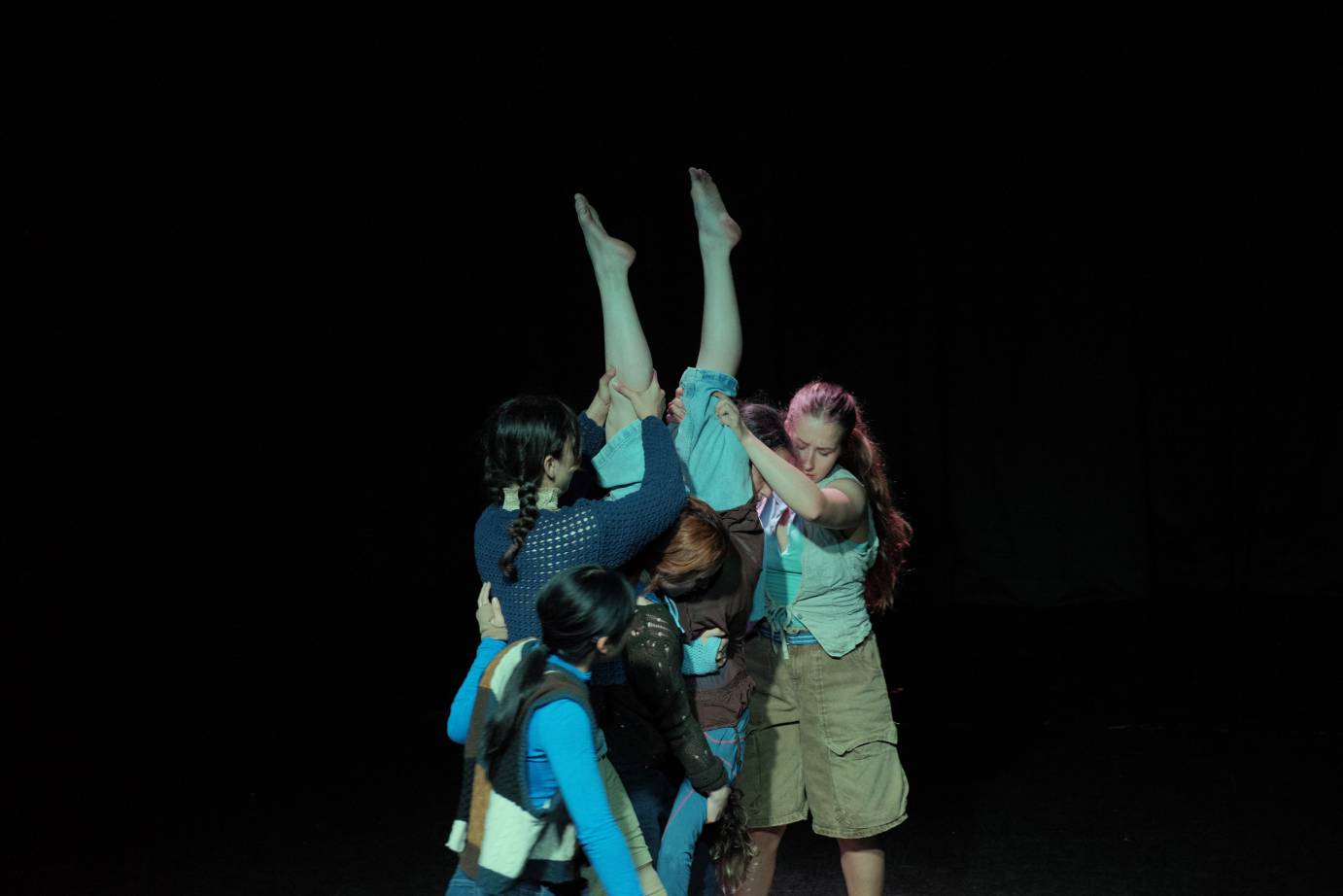
Five dancers stand upstage, connected by audible breath. As a gentle piano meditation track begins, Asher, who lies limp, separated from the group, expands into an adagio solo work, gracefully tilting and flowing into deep, grounded positions.
The dancers, dressed in baby blue, brown, and cream, each express an individualistic sense of style. At different moments, each dancer departs from synchronized choreography, returning to the group as it shifts between formations of lines, circles, and floor work. There is a constant negotiation between ideas of individuality and belonging.
At one point, a dark blue light pools over the stage as the dancers sit facing forward, frozen, reaching out to the audience. Their faces, completely in shadow, seem to be missing, but their extended hands and legs speak of deep desperation. This haunting and unsettling moment captures the experience of alienation.
After transitioning through syncopated footwork, skipping, chugs, and stepping, silence breaks, the dancers, who first appeared with their hair bound and sporting shorts and pants, loosen their hair and change into long skirts. They begin to bounce and prance in a floating circle. Hair whirls and fabric sweeps across the stage to the sound of Kate Bush's catchy anthem Babooshka. It feels as if freedom and womanhood are bleeding into the dancer’s bodies.
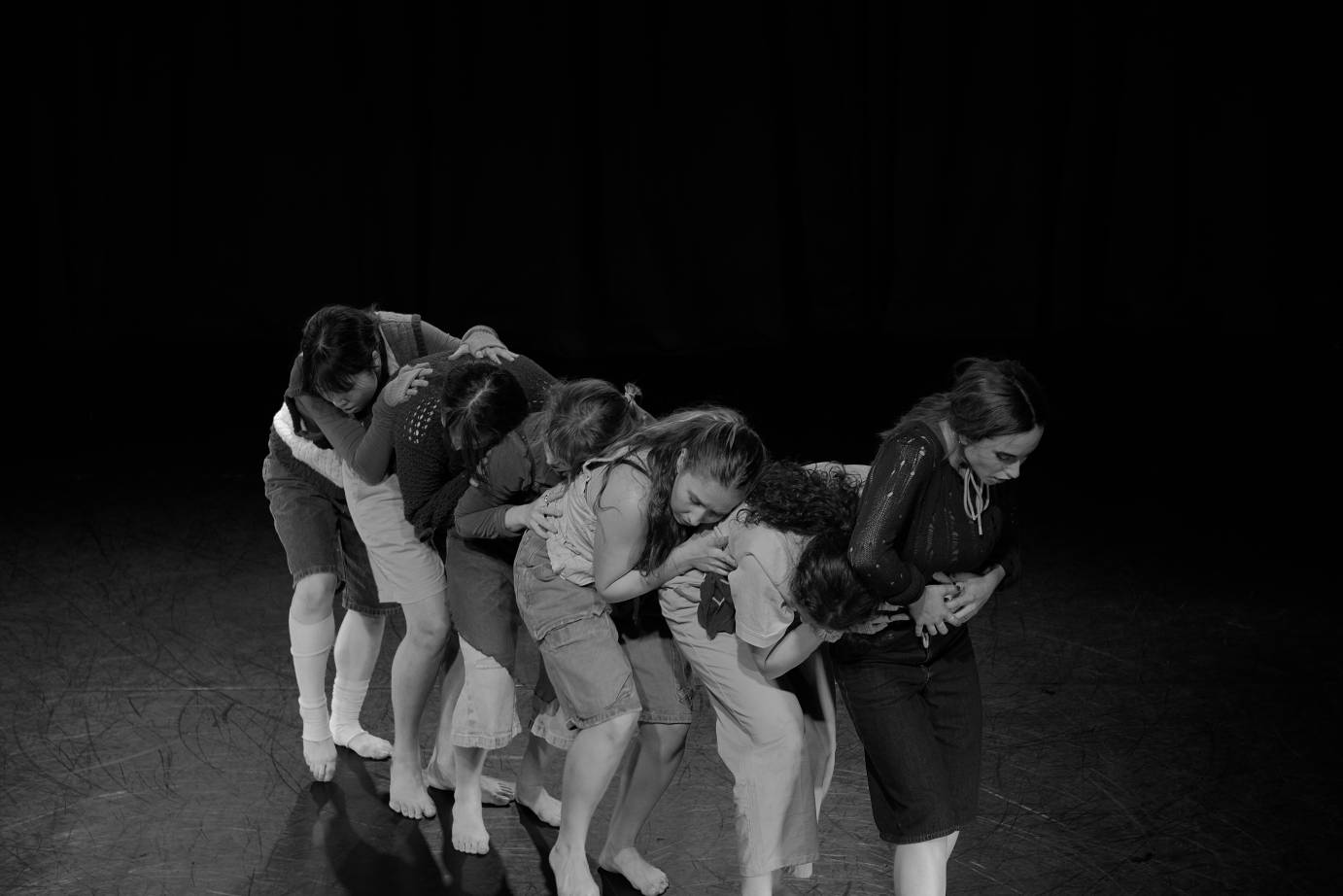
Mishegas reaches far and wide, speaking to any audience who has felt joy, yearning, constriction, or confusion about belonging. “Mishegas is not meant to be a thesis statement about Judaism, but rather a reflection on the many ways community can shape, support, pressure, and define an individual,” says Green.
Closing the evening is Last 2 Brain Cells, choreographed and performed by Asher and Hershinow. A slowly growing club beat reverbs in the black box theater, causing an immediate energy shift. Asher and Hershinow appear in ominous dim lighting. Dressed in black latex, towering high-heeled platform boots, velvety bra tops, and fringe miniskirts, it’s difficult to tell whether they’re headed for a night out or stepping directly into the Club Kid era. The pair moves in tandem, physically connected by a stretchy black fabric coiled around their heads and necks. A sense of anxiety ripples through the audience as the performers execute intricate, challenging movements in their elevated platforms while remaining connected at the head and neck.
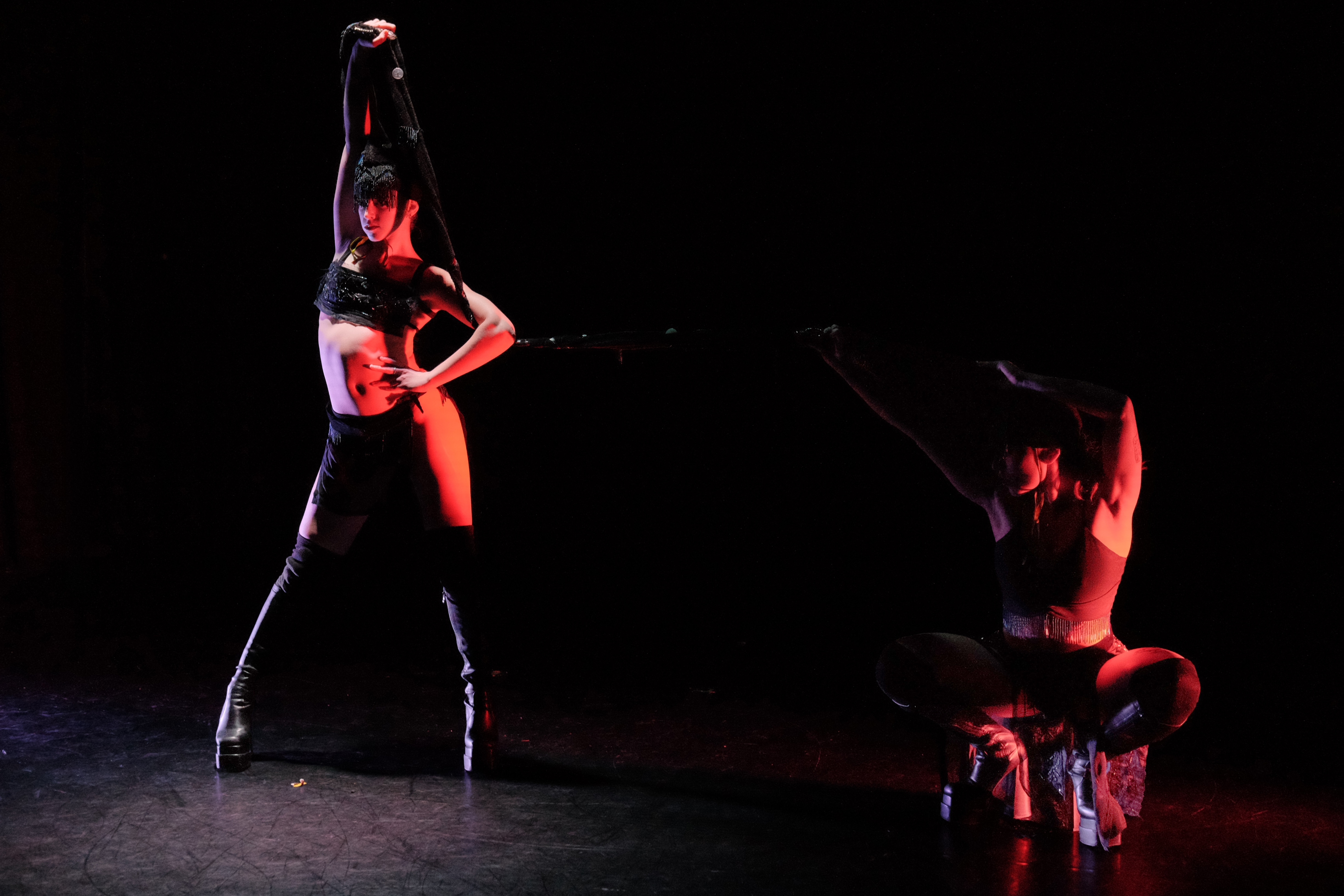
The fabric link between them unfurls slightly, allowing the pair to move in a circle nearly ten feet apart, though still tethered by material that remains wrapped around their heads. Despite sudden rolls, sweeping extensions, and puncturing kicks, their connection remains unbroken, even when the fabric strains to the point of appearing ready to break. As they mechanically shift through sculptural poses, their attention to detail and responsiveness to one another underscore an impressive stability and control.
At one point, both dancers look out at the audience, then slowly walk backward and mindlessly plop onto a couch that Green has pulled downstage. “Wanna go on Tumblr?” asks Asher, as soft laughter moves through the room. Like lackadaisical house party guests, they begin to vape, eat aggressively from a bowl of popcorn, and furiously check a laptop for notifications. We get a sense of the dancers’ personalities and comedic timing in this Gen Z send-up. Though comedic in tone, the skit carries an aura of gloom, underscoring the effects of digital and substance addiction on today’s youth.
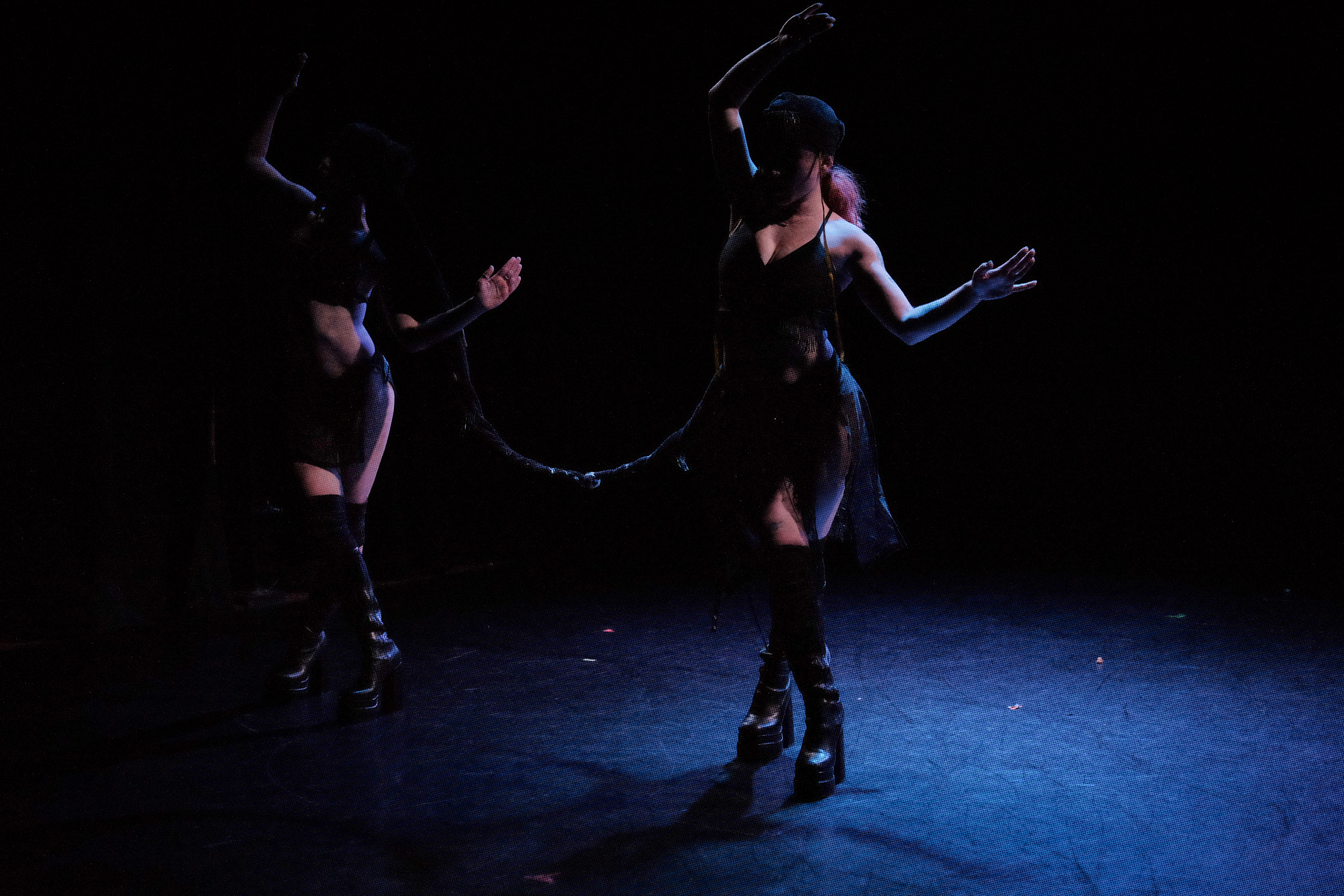
Another transition finds the couple bathed in soft blue light as Patsy Cline & The Jordanaires old-time classic “You Belong To Me” plays. Hershinow entices Asher, pulling the fabric piece to bring Asher in tighter and closer. The dancers’ relationship, although intimate and interconnected at first, soon begins to feel confining. As we notice attempts to rip free of each other, we come to realize how their codependency has constricted them. In the final moments of the song, the lyrics “you belong to me” are repeated. Asher and Hershinow take off their boots and stretchy fabric headpieces, and are finally physically free of one another.
Throughout Last 2 Brain Cells, Asher and Hershinow’s relationship remains somewhat undefined and mysterious. Their slow, sensual, yet comedic, journey is both enchanting and terrifying.
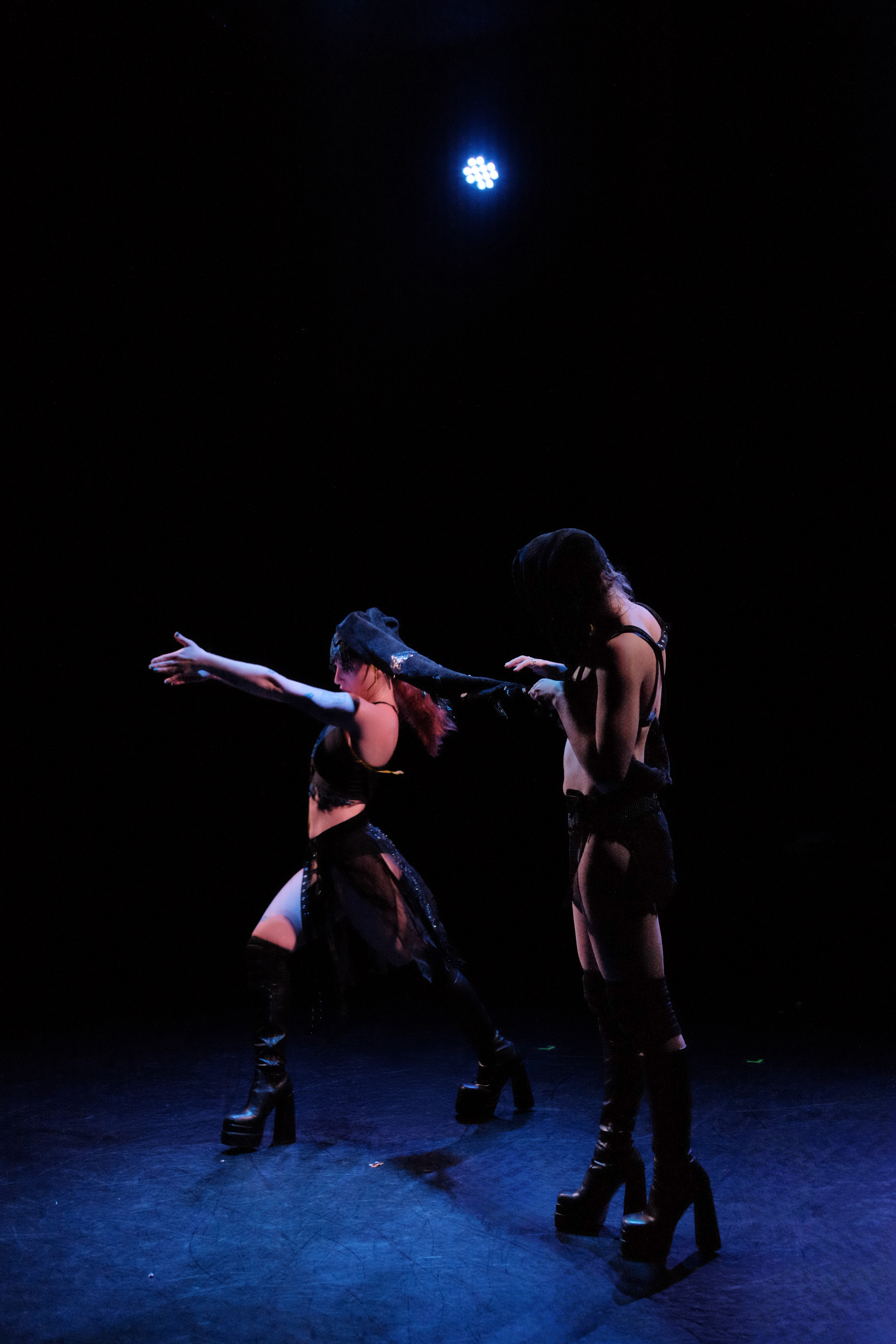
NOSEDIVE prompts audiences to reflect on their own experiences of dependency, pressure, anxiety, grief, joy, and belonging within and beyond a community.